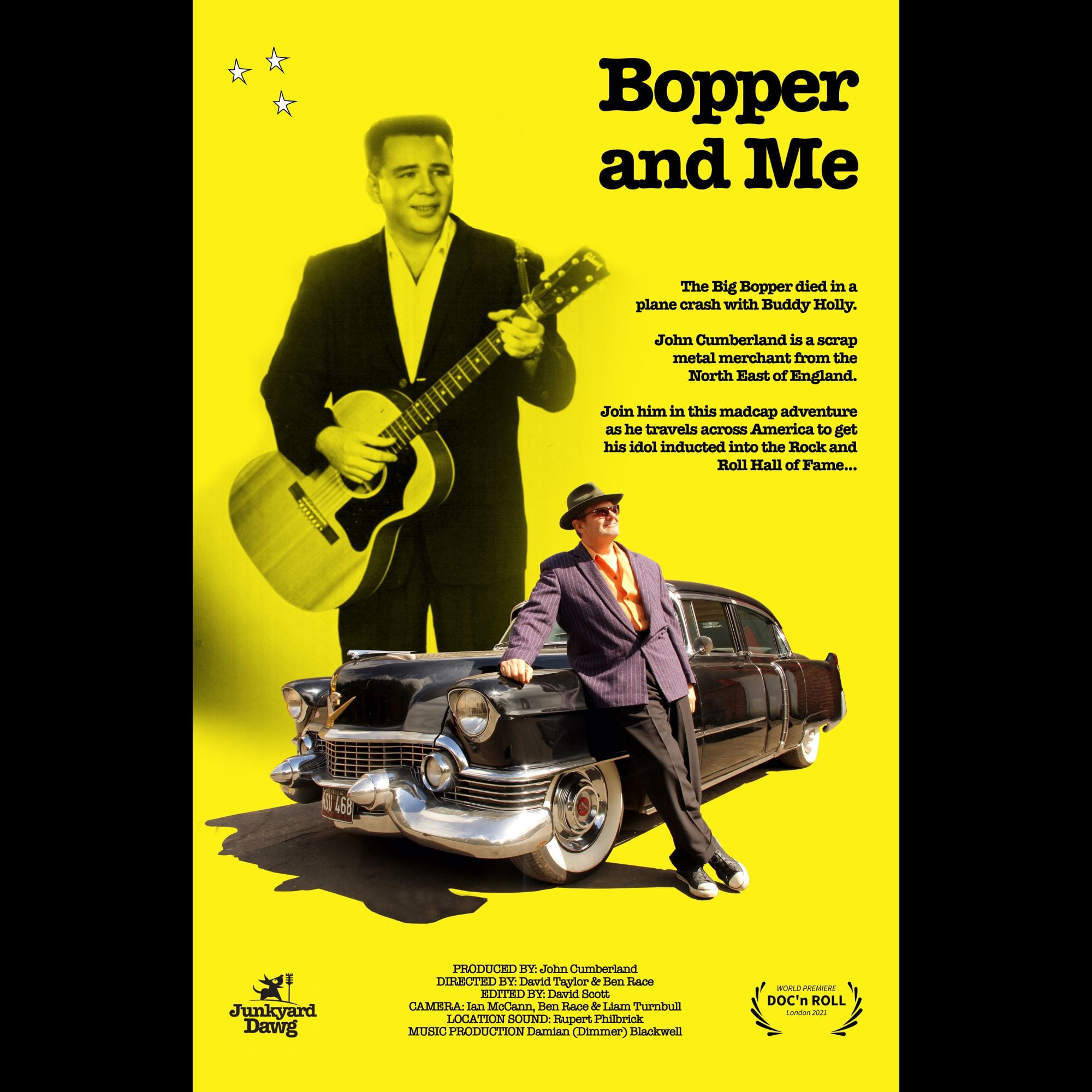
Bopper and Me - Documentary
Glasshouse Media
Cinematographer, Feature Documentary & Critics' Choice Winner.
"The Day The Music Died". are words that became part of our collective vocabulary through Don McLean's song, American Pie, which was a massive hit for the singer-songwriter, who had been moved to express his emotions about the tragic deaths of three young rock & roll stars, Buddy Holly, Ritchie Valens, and J P (The Big Bopper) Richardson.
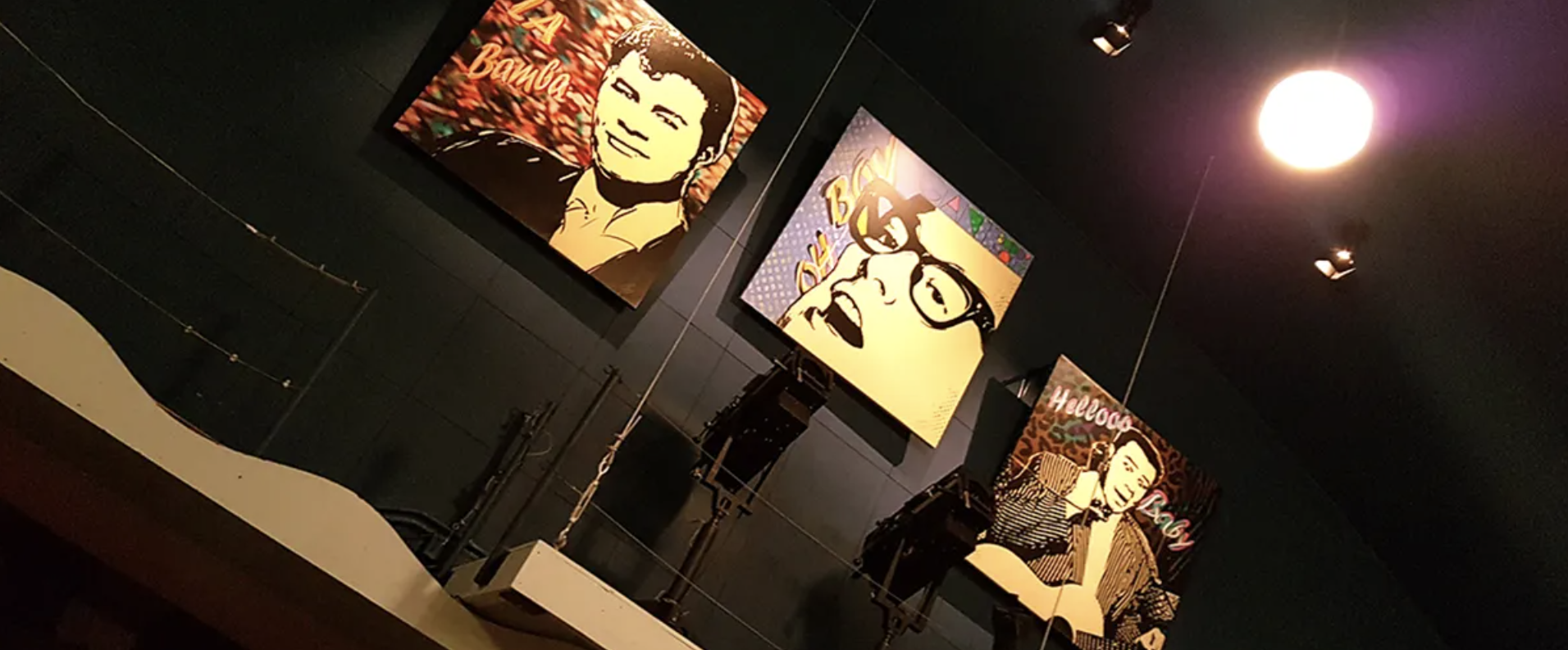
The boys died in a terrible and now legendary plane crash, in 1959.
They were touring around the northern United States with their respective bands. It was one of the coldest winters on record and their bus, and its heater kept breaking down. Their overnight drives from venue to venue were unbearable. When they arrived at the Surf Ballroom, in Clear Lake, Iowa, they had already lost a drummer, hospitalized with frostbite.
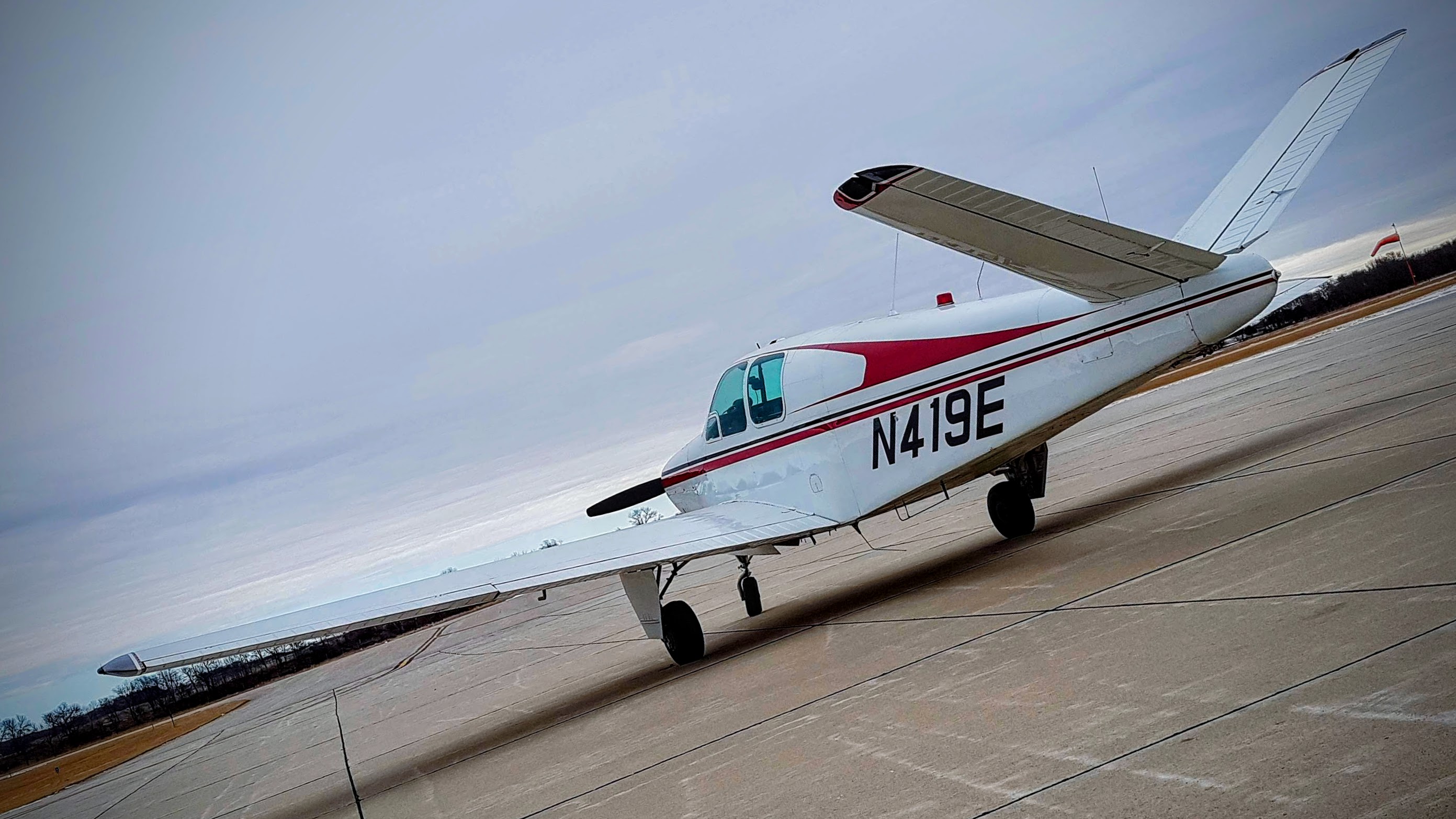 Buddy Holly learned he could charter a 4-seater plane to take three of them to their next gig, so he booked it. Legend has it a coin was tossed, and long story short, The Big Bopper won the last seat.

The documentary 'Bopper and Me' was conceived by a County Durham scrap metal recycler, John Cumberland, to help him on a multi-year-long quest to have The Big Bopper inducted into the Rock & Roll Hall of Fame.
But why?
John had made several radio ads for his scrap metal business. When he realised that his most successful ads all featured songs by The Big Bopper, John was inspired and reached out to the son of the Bopper, who told John, he was trying to have his late dad inducted into the Rock & Roll Hall of Fame. John promised to help but sadly, a short while later, John's new friend died. So John committed to honouring his promise.
He flew to America to learn as much as he could about his hero. to see the places and meet the people who could inform his quest. John was amazed by all he learned. There are so many aspects to the Big Bopper's story.
John had no experience of making television programs or films, nonetheless, he realised, with so many facets to the incredible story he was uncovering, that a documentary might be the most effective tool to communicate The Bopper's case for induction into the Hall of Fame.
So, back in the UK, he commissioned a local video company. They all flew to Texas and filmed John's long journey up-country to Iowa, shooting important locations to illustrate the Bopper's story.
Eventually, John decided he needed a more experienced broadcast production company, so he commissioned Glasshouse Media to complete the film, and David Taylor to Direct it.

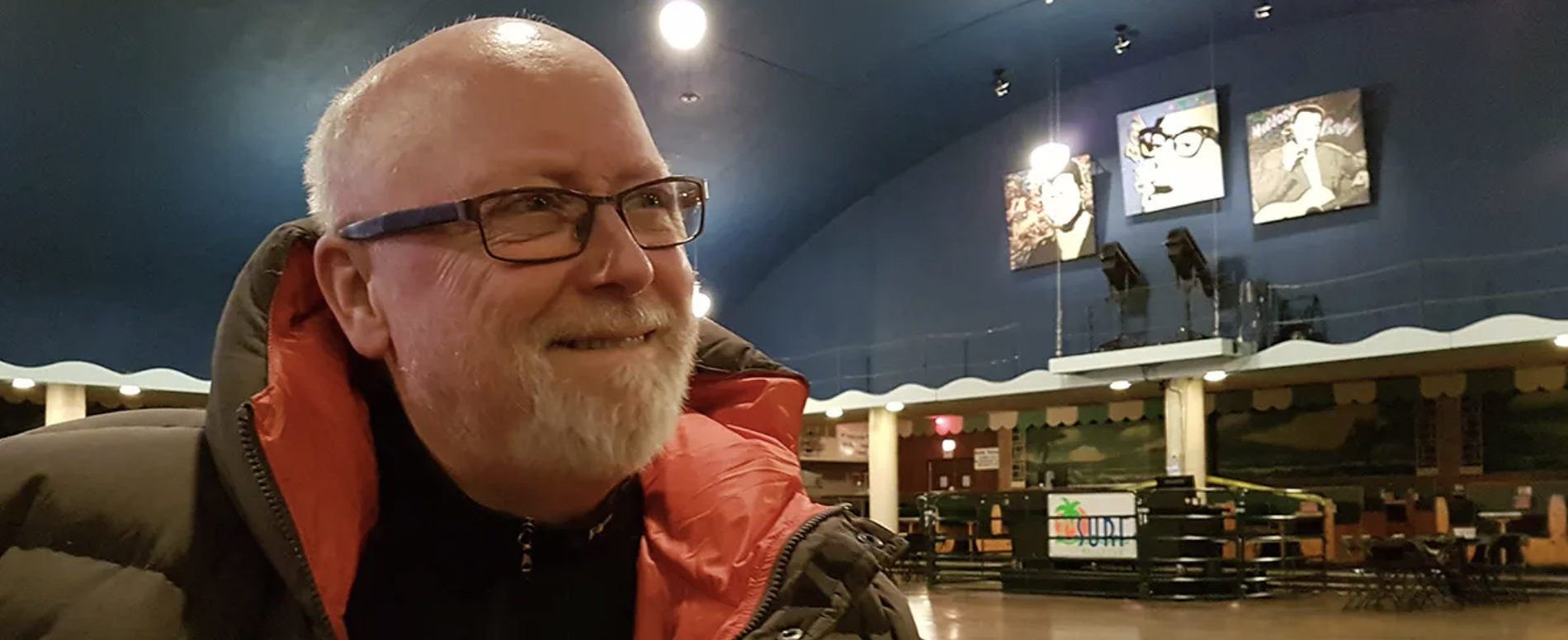
The last sets the boys played on the night they died, were on the stage at the 1959 Winter Dance Party, in the Surf Ballroom, Clear Lake, Iowa.
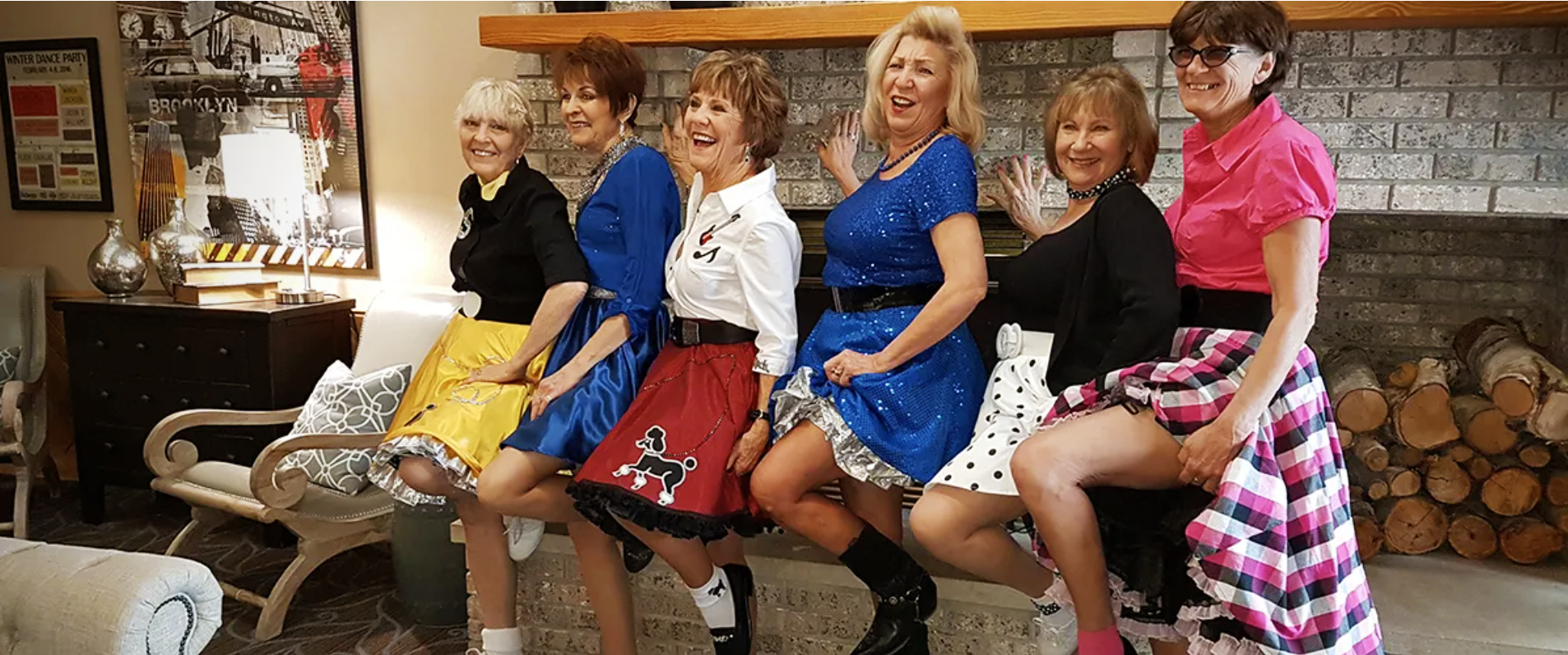 These annual dance parties are still running to this day. Many of the "kids" who were there that fateful night still attend every year.
When David and John discussed completing the film it was obvious the Winter Dance Party and several interviews were needed. The next dance party would start in a few days, and this would be the last chance to film one before the 60th anniversary of The Day The Music Died.
"Hi Ian"
"Can you go to America, tomorrow?"
"Sure. Why?"
"We have to shoot a feature-length doco possibly for cinema release. Is your camera cinema-ready, and Netflix-approved?"
"Yes, it is."
"Cool. You might want some warm clothing. We are going to film a middle-of-the-night vigil in a field. Overnight temperatures are currently -25c.
We will pick you up tomorrow."
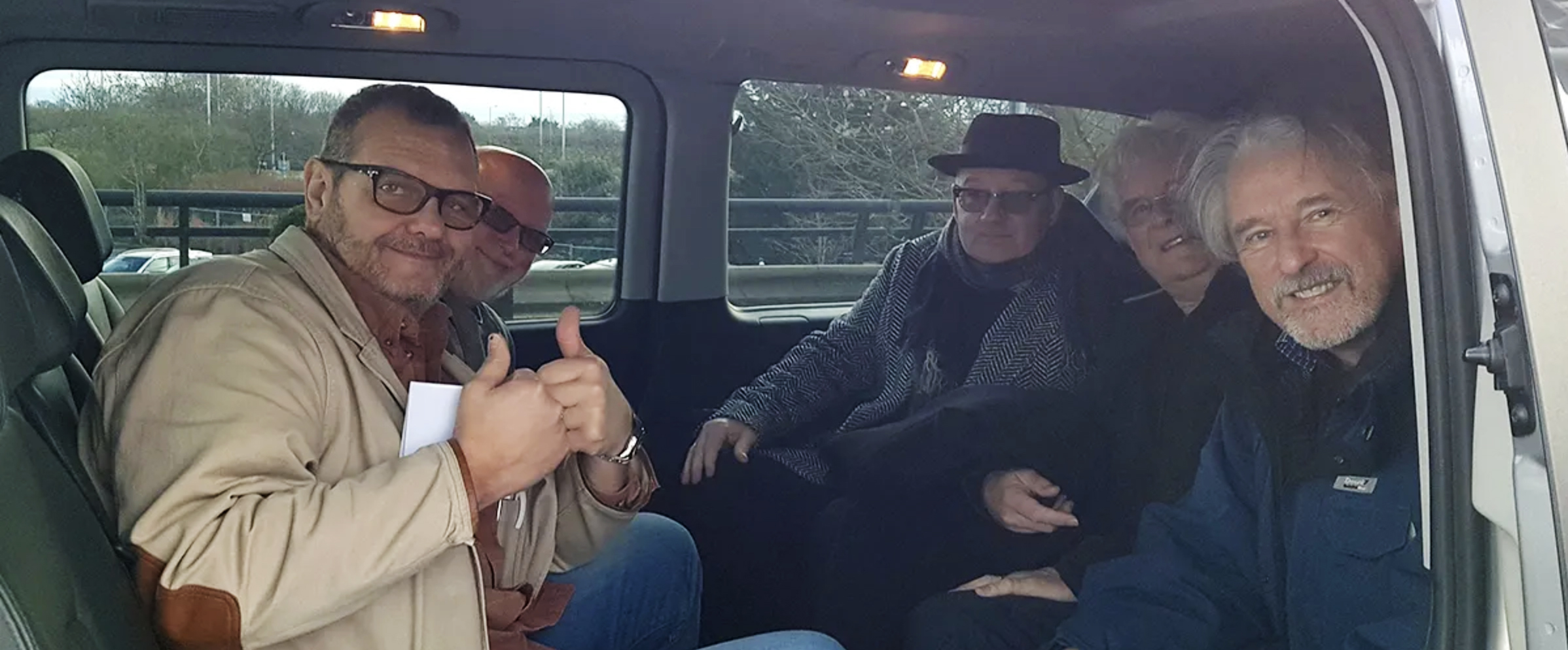
Two of John's friends, Jonny and Ian, joined the party. So, with David and I, we were five.
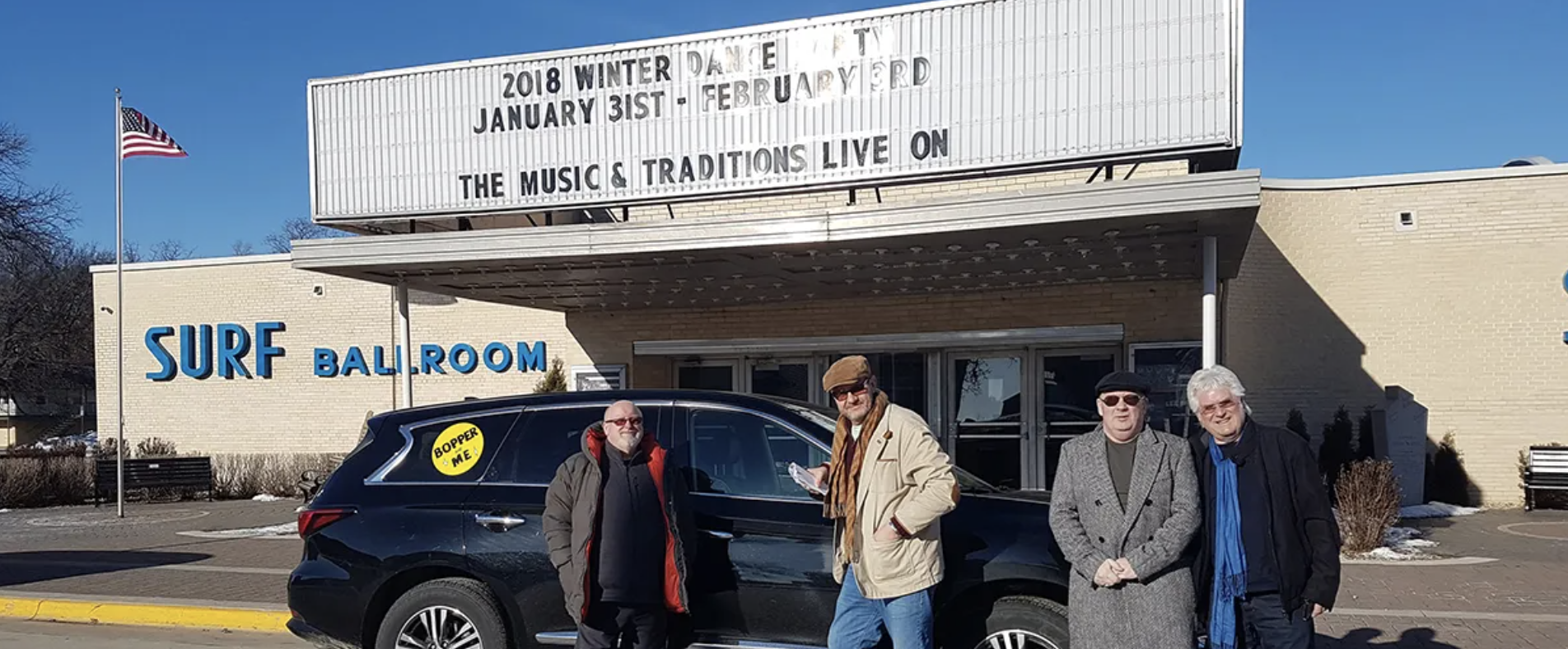
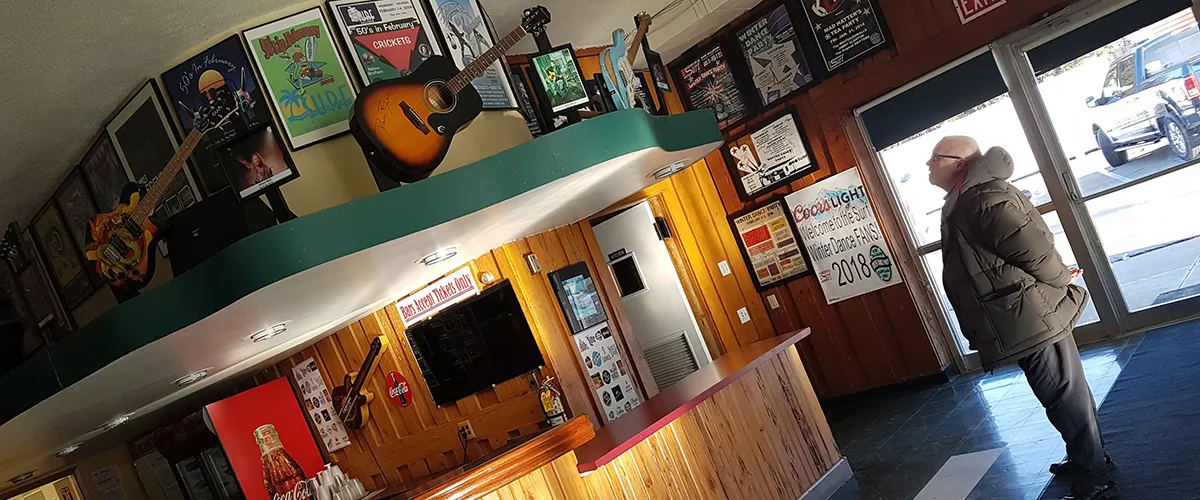
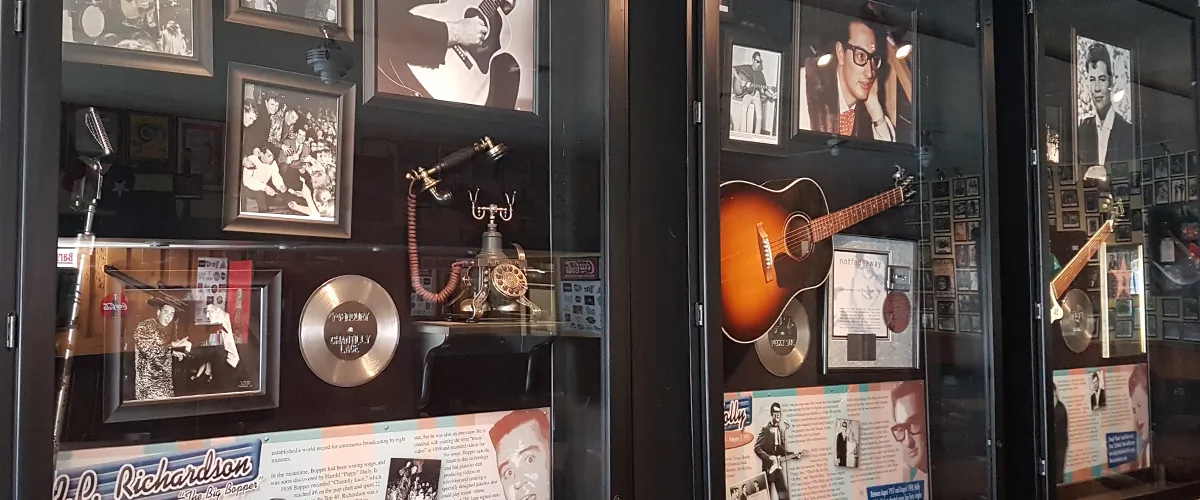
A couple of days later, we were at the Surf, ready to rock & roll, or at least shoot some B-roll.
We had the venue to ourselves for one day, before the Winter Dance Party kicked off.
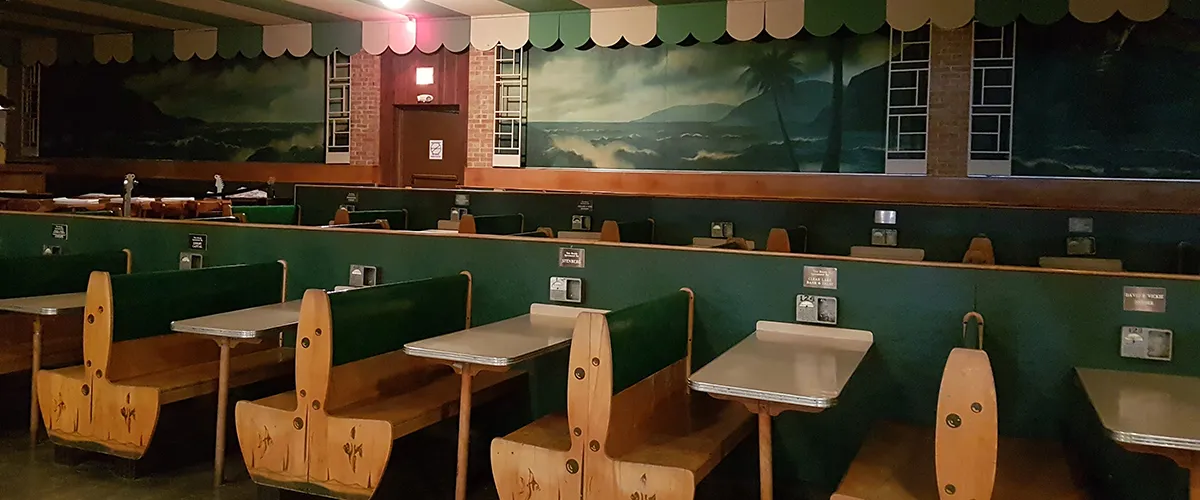
The Surf had hardly changed since the halcyon days of rock & roll. The classic booths, which today seem rather small, are all in place, as are the Hawaiin surf scenes on the walls, and the stage the boys played on is still there too, of course. It is an incredible time-warp filming location.
Roll Camera!
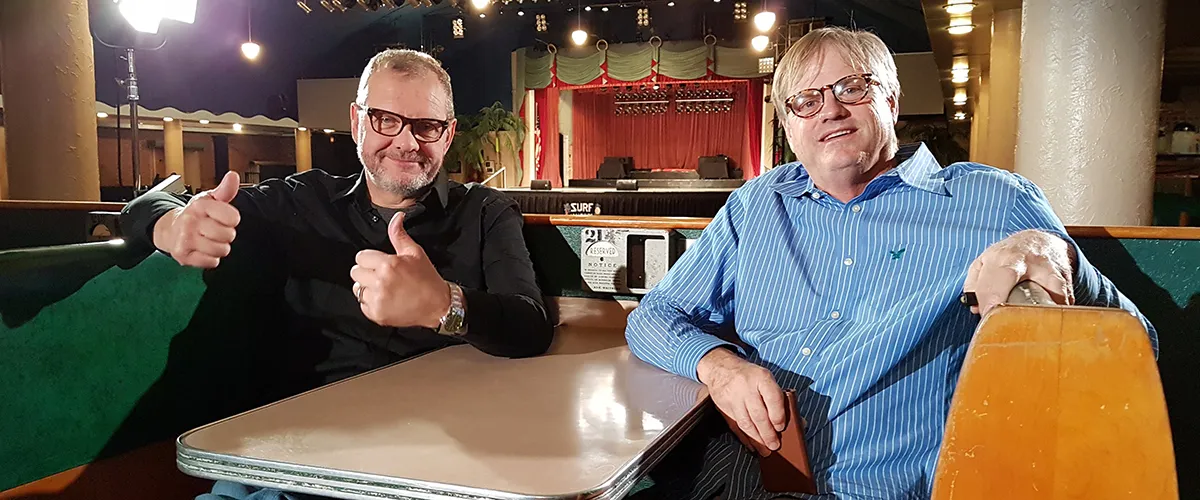
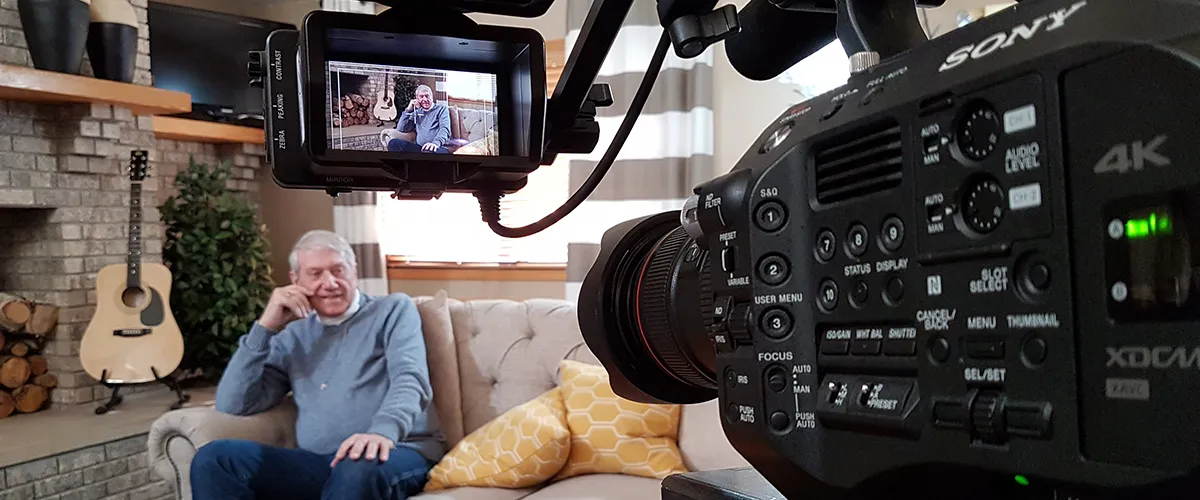
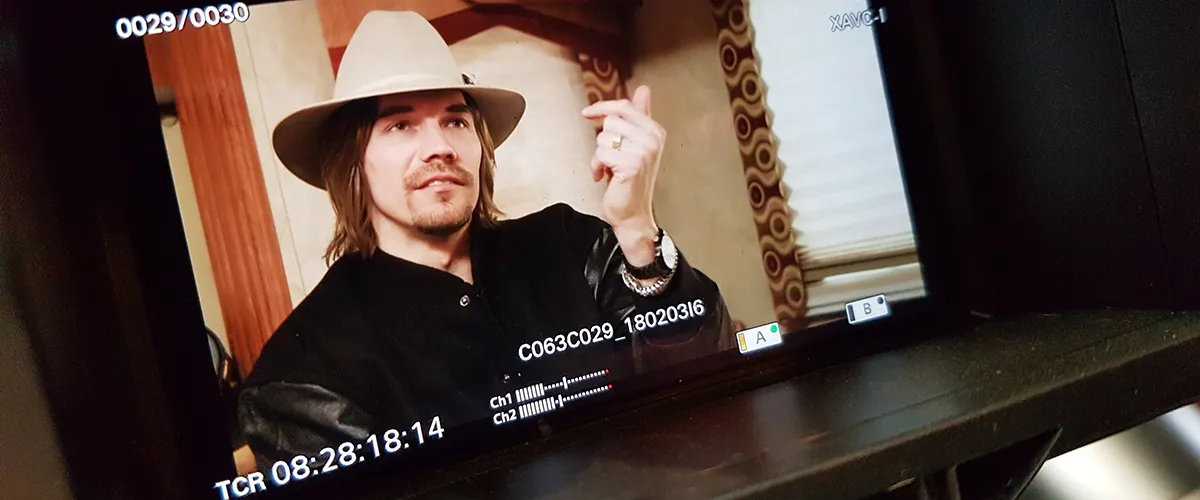
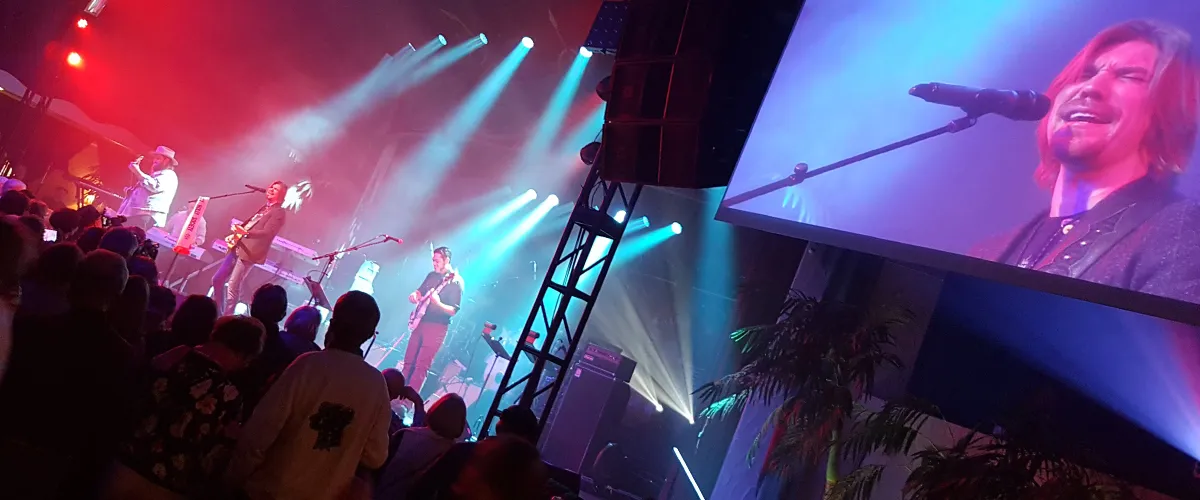
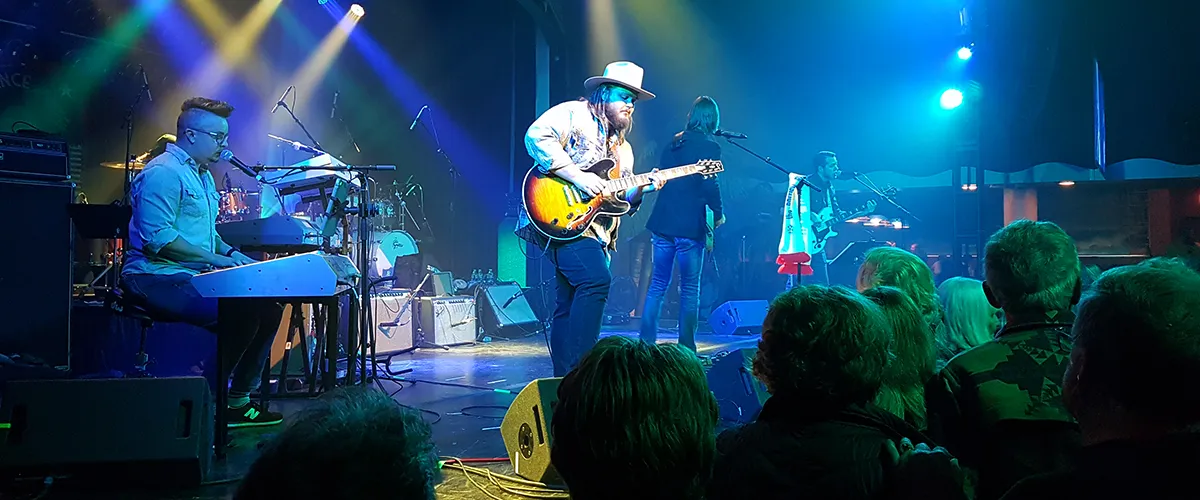
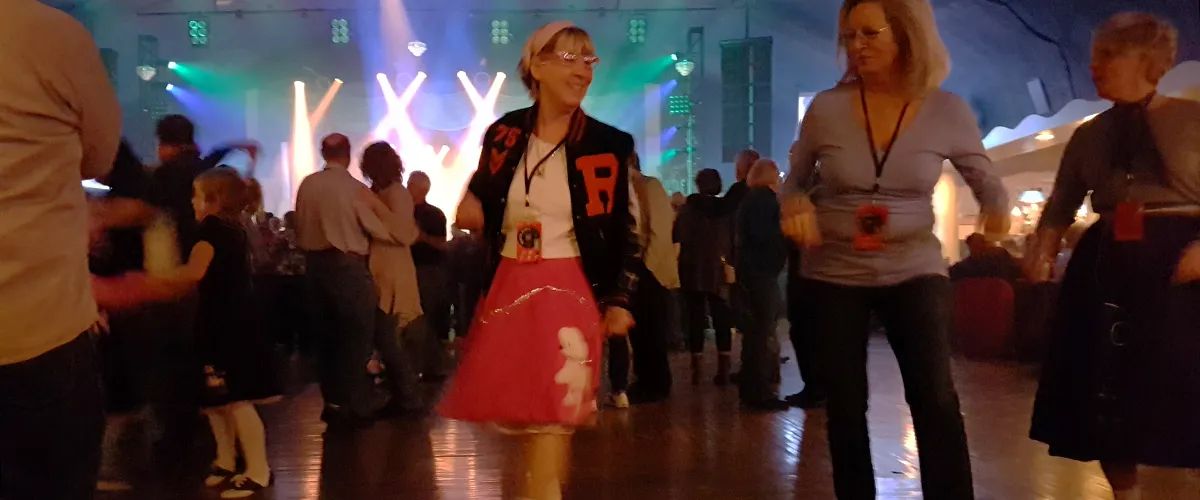
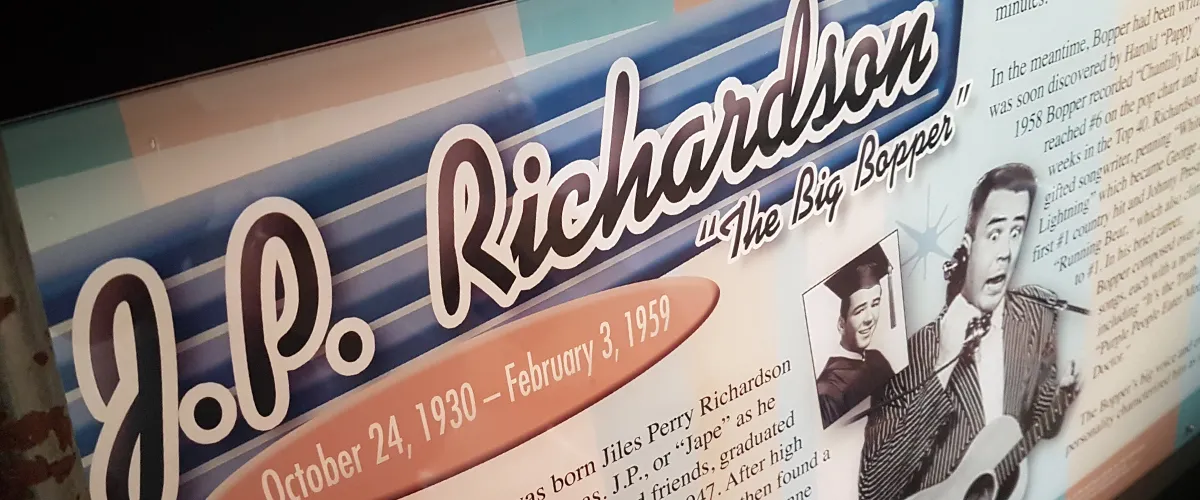
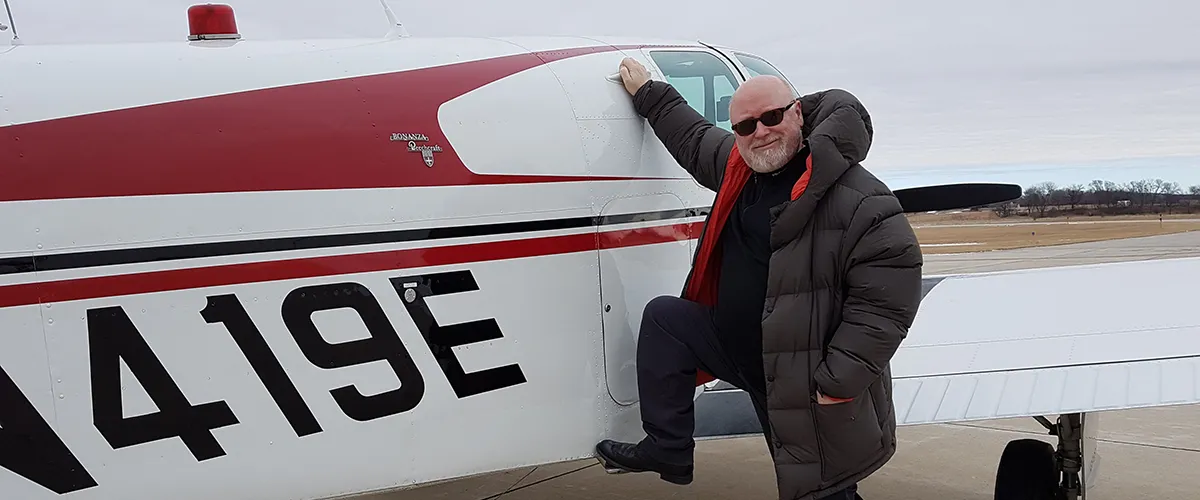
We were there to film several master interviews, capture a lot of B-roll, and film a flight in a Beechcraft Bonanza aeroplane, identical to the one in our story, following the same flight path that the boy's plane took that night, from nearby Mason City to circle the crash site just a few minutes away.
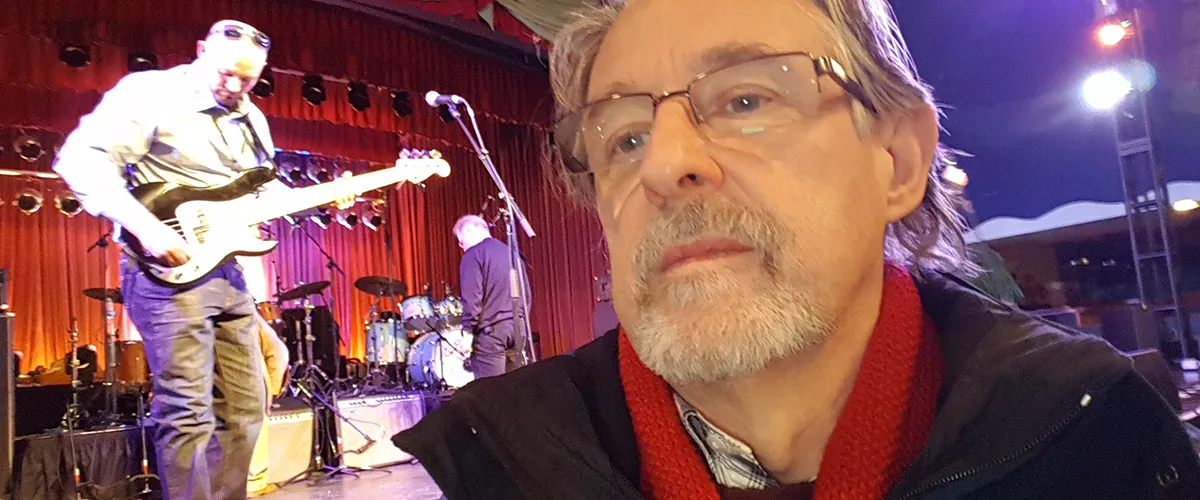
It was an amazing week. I got to film on the stage the boys played on that fabled night, capturing a fabulous jam session performed by 6 brilliant rock n roll musicians, including the legendary Albert Lee and Austin Allsup, performed to a packed house of die-hard rock & roll fans, some of whom were there that night almost 6 decades earlier, dancing their hearts out, and loving every minute.
The shoot was a fabulous, if exhausting, experience and I learned so much about the story of the Day The Music Died. It is a compelling, almost mythological legend, but no more so than the crazy story of the charismatic and utterly bonkers County Durham rock & roll scrap man's passionate quest.
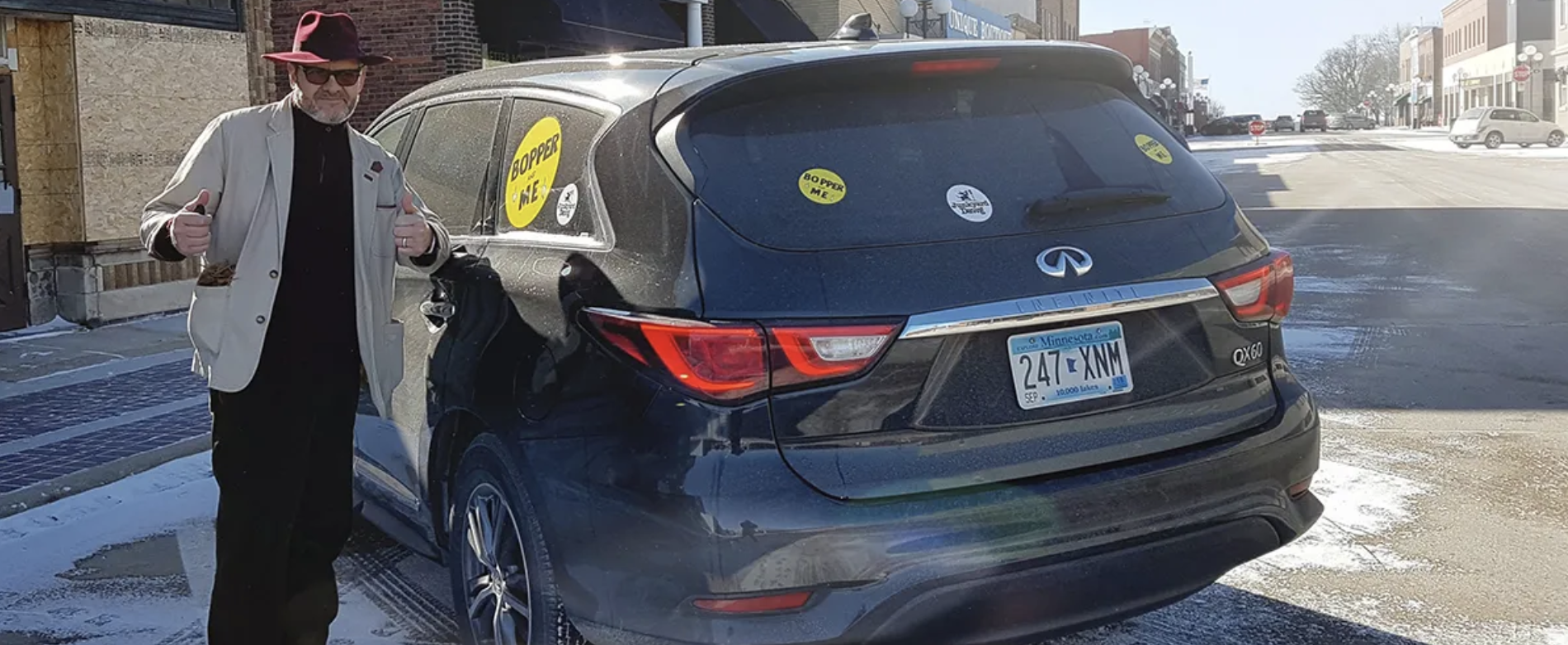
But all good things come to an end, and after an intense but unforgettable week, that started with a touch of jetlag and included long shoots way into the night, it was time to head home.
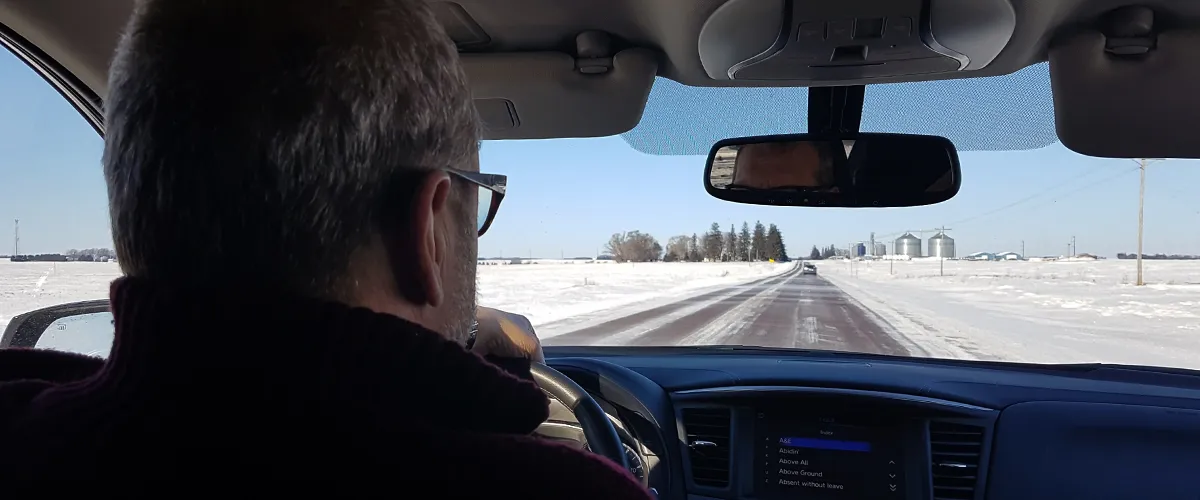
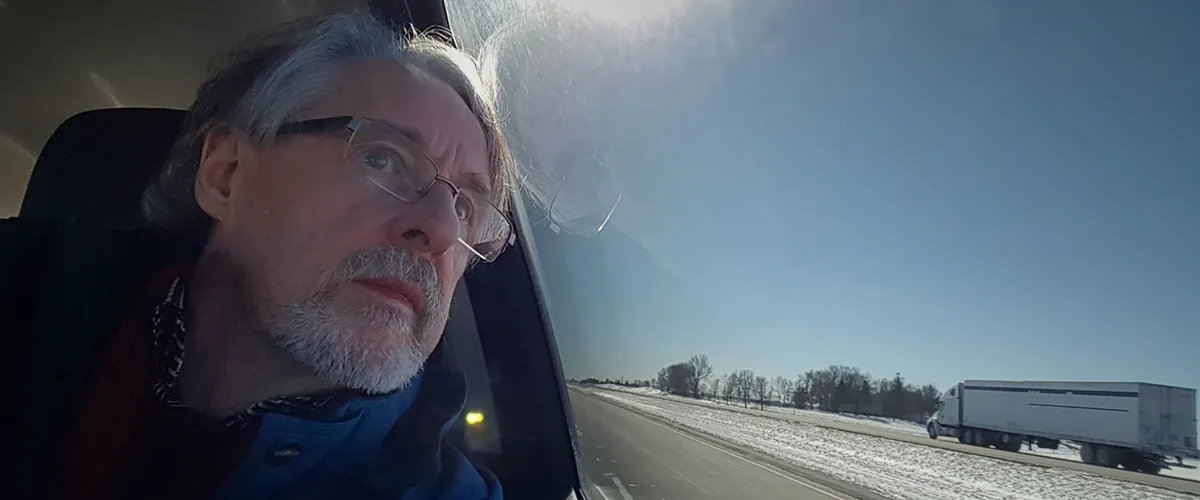
It was good to sit back and reflect on the incredible film we were making, all the threads involved, and the larger-than-life characters.
Back in the UK, there were several more shoots to film, including interviews in John's Junkyard Dawg radio studio. Yes, he has a radio studio in his scrap yard, and of course, it has a green room that is kitted out like a 1950s American diner.
A particularly important shoot was set up to film an interview with Sir Tim Rice, a huge Bopper fan, who also believes The Big Bopper deserves a place in the Rock & Roll Hall of Fame, and was delighted to support John's quest.
So, why does the Big Bopper deserve a place in the Hall of Fame?
The fact that he died in a plane crash that has become a rock & roll legend, with two others who have been inducted, is hardly sufficient reason.
However, the Big Bopper was more than just a side note to the plane crash story. He had countless fans, performed on stages all around the USA, and wrote and recorded numerous rock & roll classics, many were recorded by other stars of the day. Chantilly Lace, White Lightning, and Running Bear are his most famous songs today.
However, he was important for several other reasons.
Most notably, perhaps, he invented the music video. He coined the term, music video, and he made and starred in the first music videos ever made. He also predicted that in the future music would be enjoyed and sold in video form, more than on audio records, and he realised that visual appeal would come to matter almost more than musical talent.
As a celebrity DJ, his broadcasts inspired a young boy to become a singer, a boy who would be forever world-famous, Elvis Presley.
JP Richardson was a shy man who loved music and worked in show business, so he created an alter ego. The Big Bopper was the first such theatrical character in popular music. The Bopper was extremely outgoing and had a panache and confidence that JP felt he lacked. Without The Big Bopper, we might never have had Sgt Pepper, Ziggy Stardust, Aladdin Sane, Bob Dylan, Dr Funkenstein, Percy Thrillington, Alice Cooper, etc.
After completing his national service, to get back his job as a DJ, he set about breaking the world record for the longest DJ broadcast ever. He succeeded, and it worked. He was re-employed.
Back to Bopper and Me
Shooting continued on and off for quite a while, with David Scott working on post-production, in parallel.
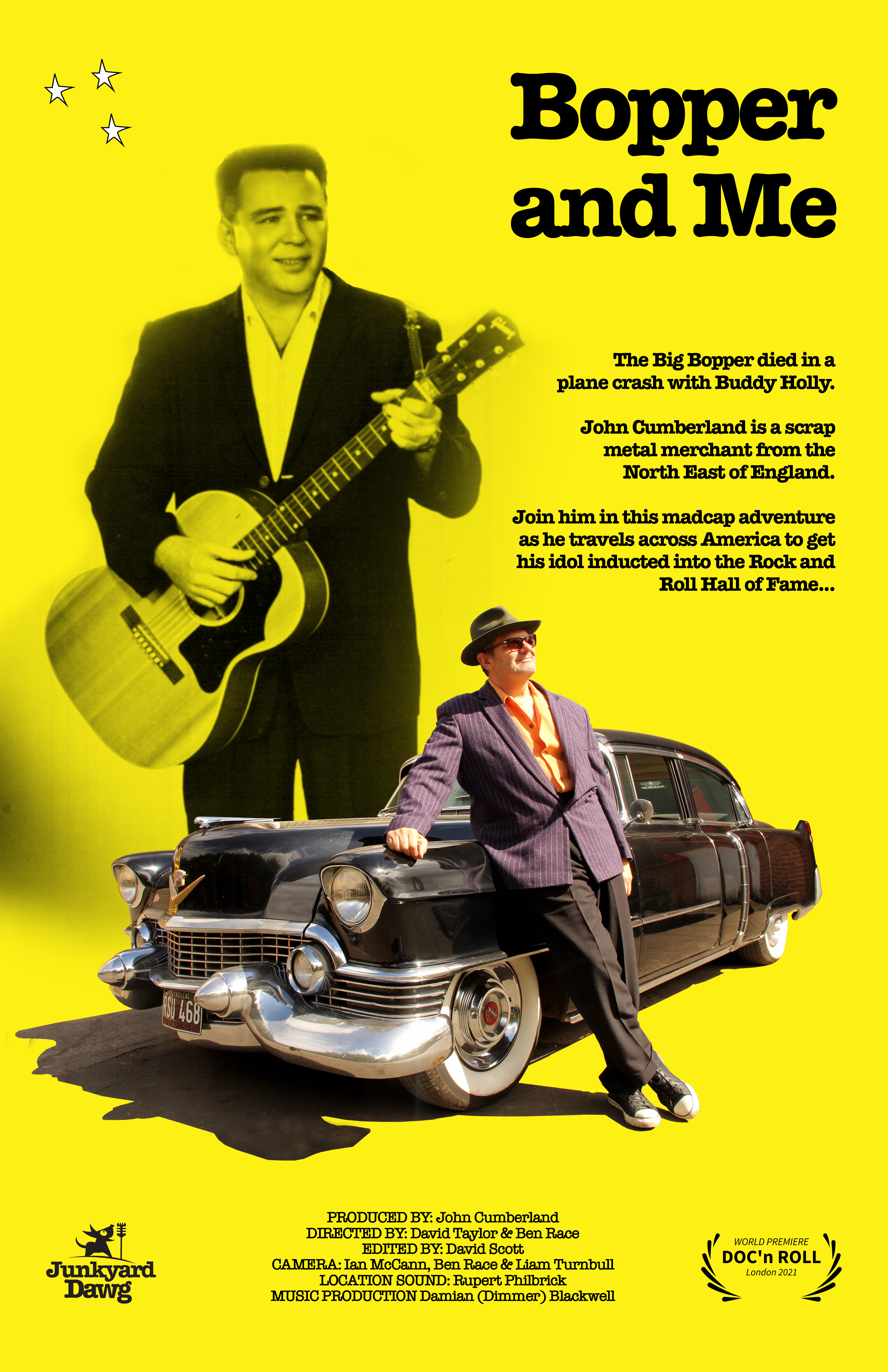
Early cuts were screened several times in the cinema in Clear Lake. Every show was sold out and the audiences loved the film.
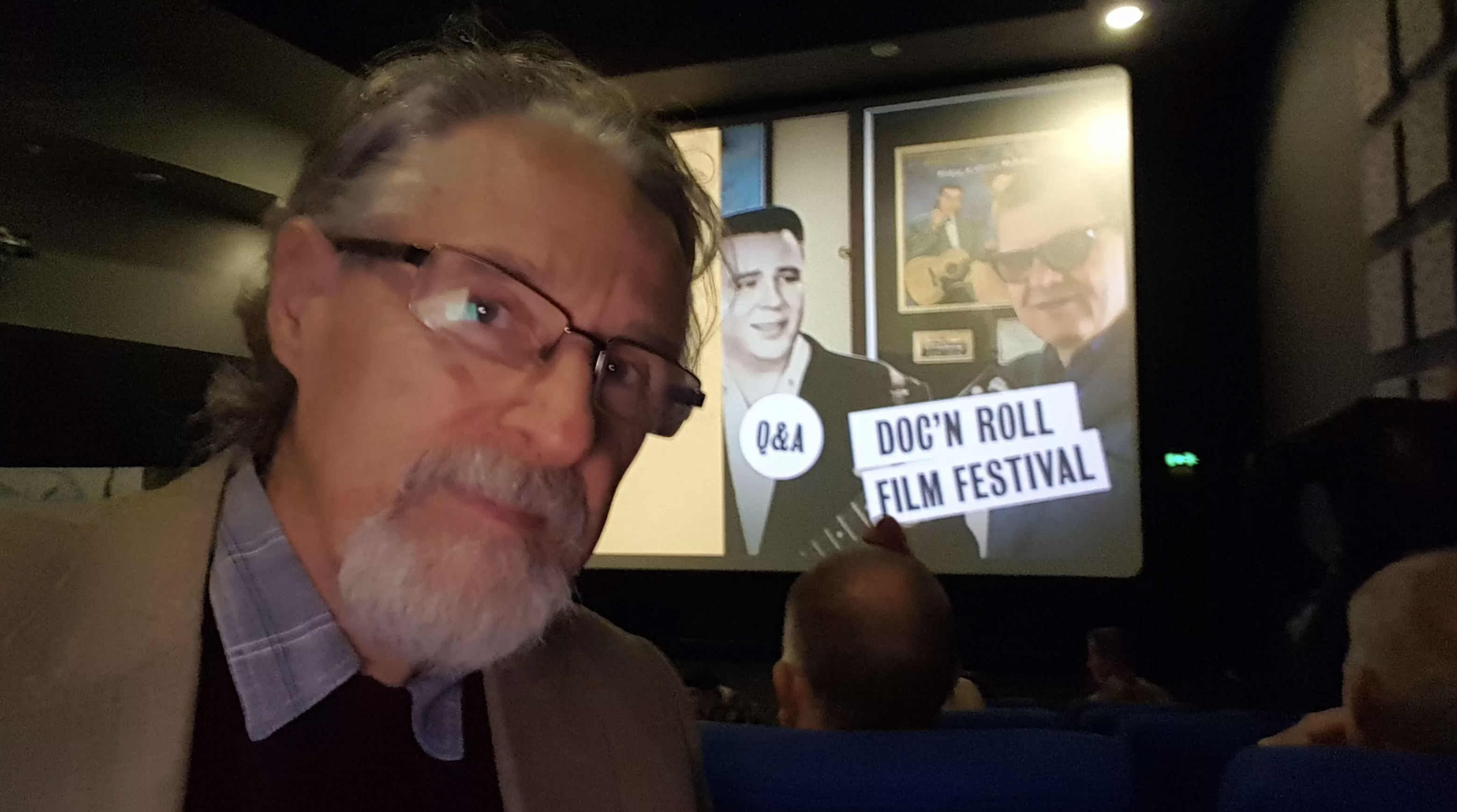
In November 2021, Bopper had its first UK screening. It was featured at the DOC'N ROLL Film Festival, at the Tyneside Cinema, in Newcastle, England. After the screening, John gave a speech and answered questions from the fascinated audience.
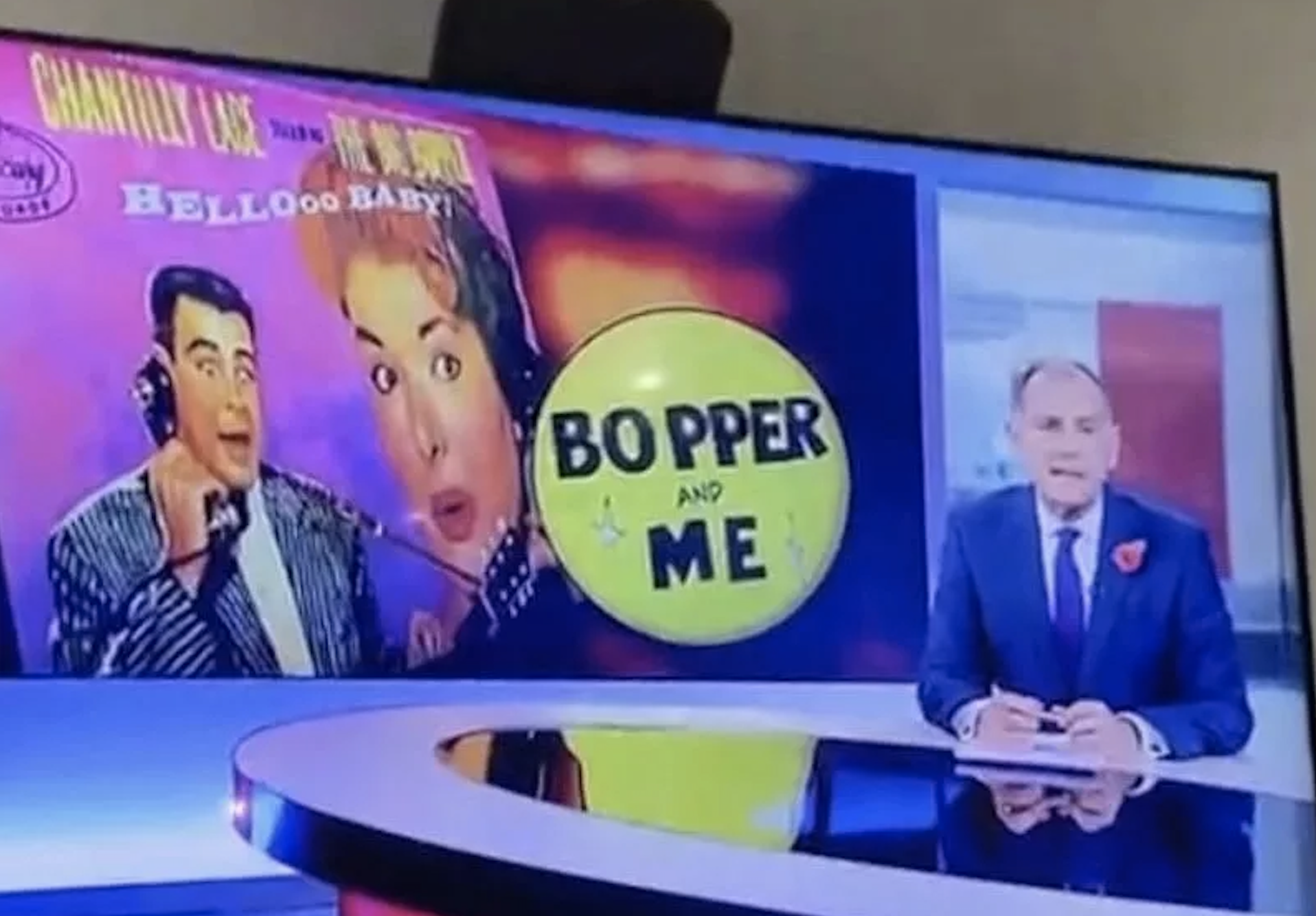
Perhaps partly due to some publicity on the local BBC Look North news programme, it was seen and enjoyed by a full house of Geordie rock & roll fans.
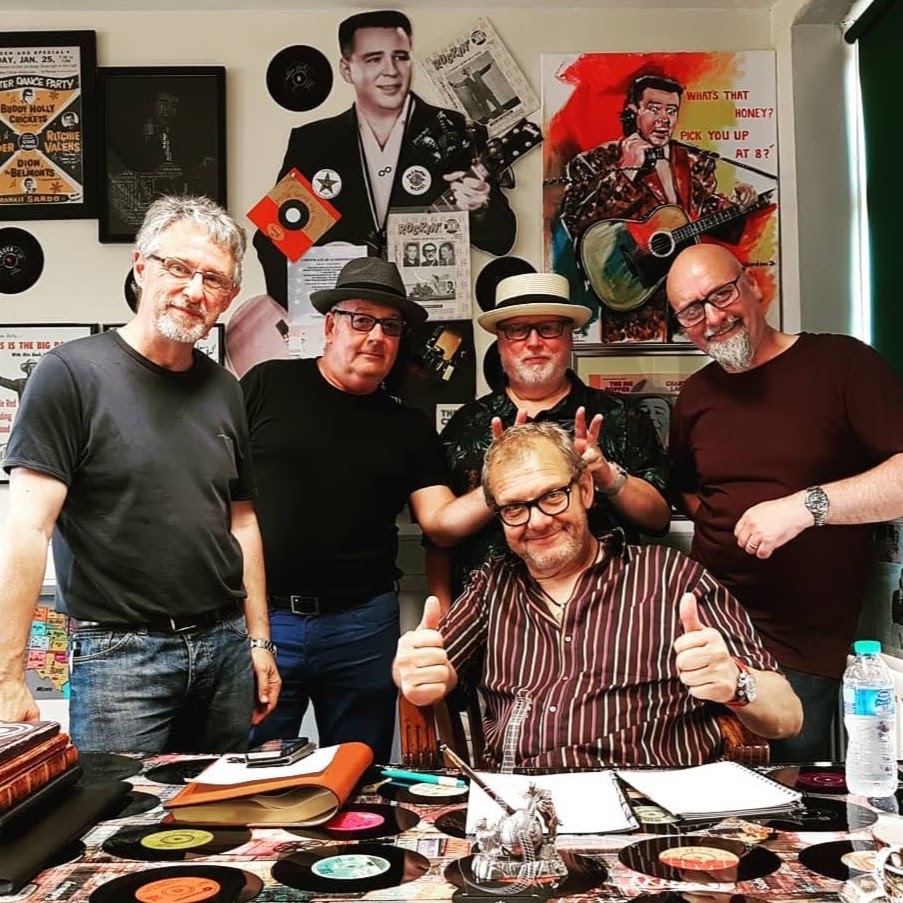
TEAM PHOTO
Seated: John Cumberland (Executive Producer)
Standing, left to right: Me (Cinematographer), Jonny Young (Moral and Practical Support), David Taylor (Director), David Scott (Editor)
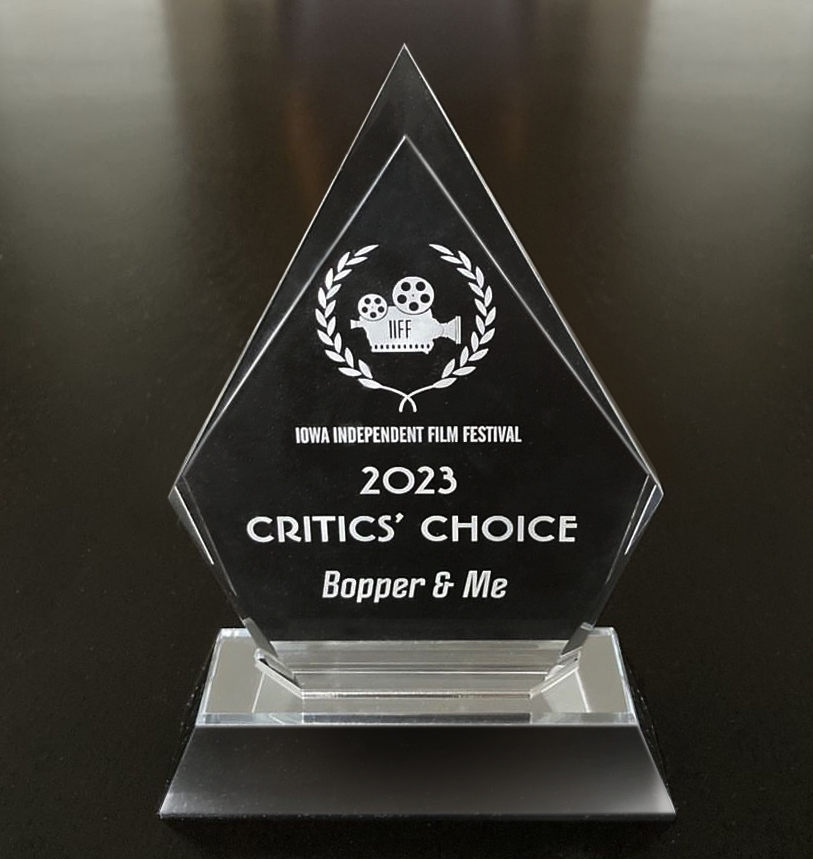 AWARD
AWARD
Our film was accepted, over and above 200 other applicants, for the Iowa Independent Film Festival. I am delighted and extremely proud to say, Bopper and Me won: Critics' Choice. 2023.