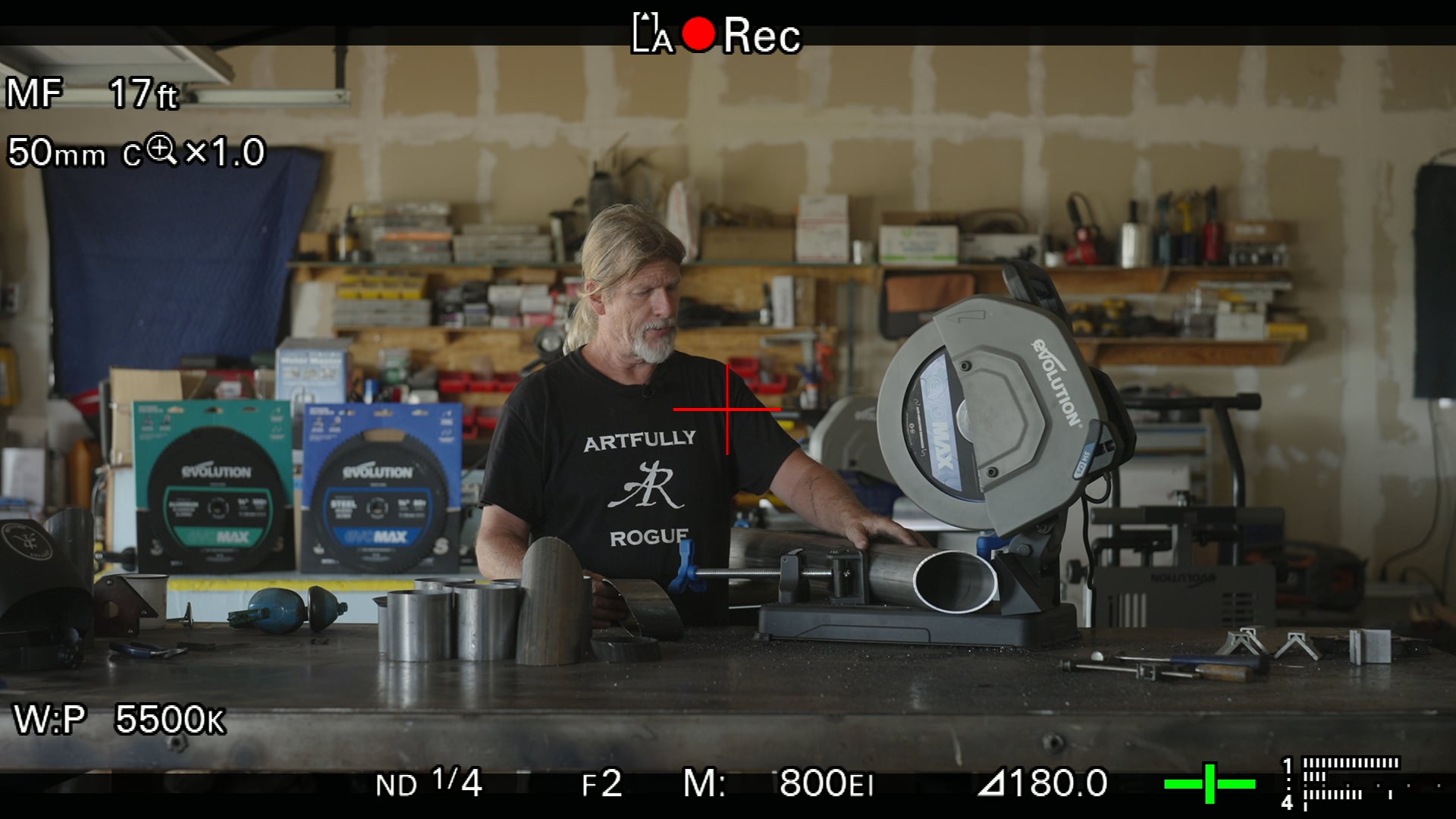
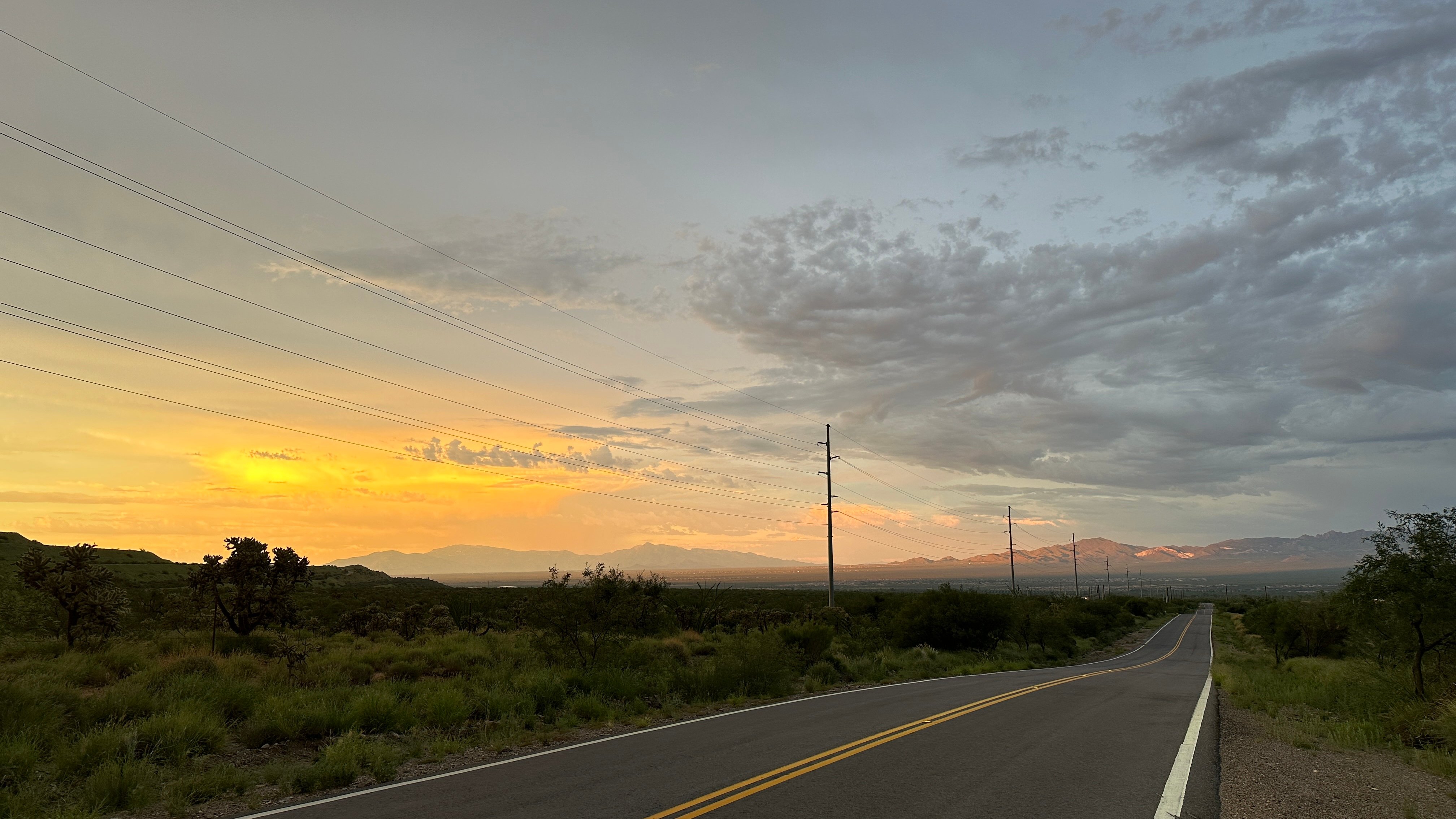
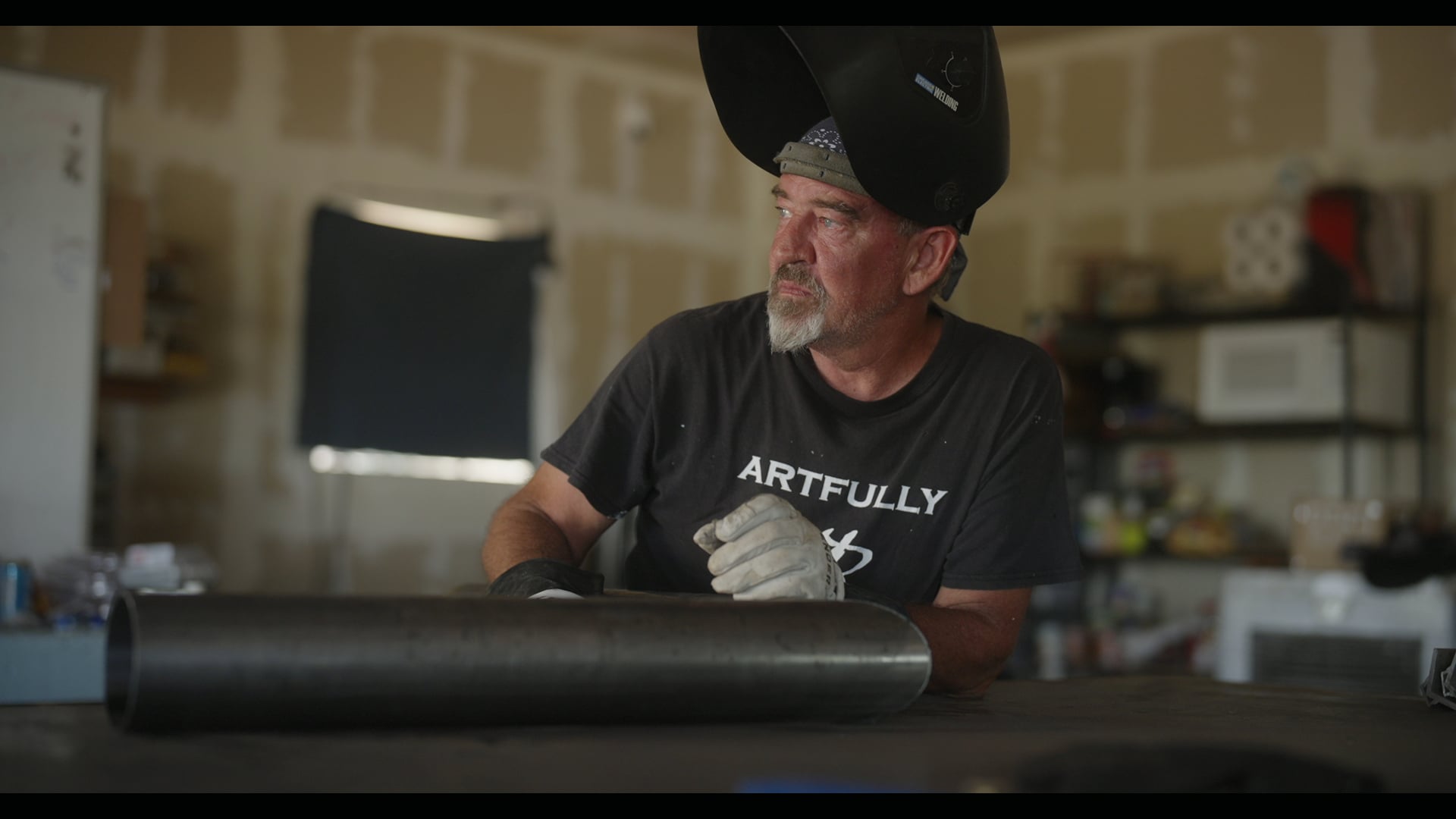
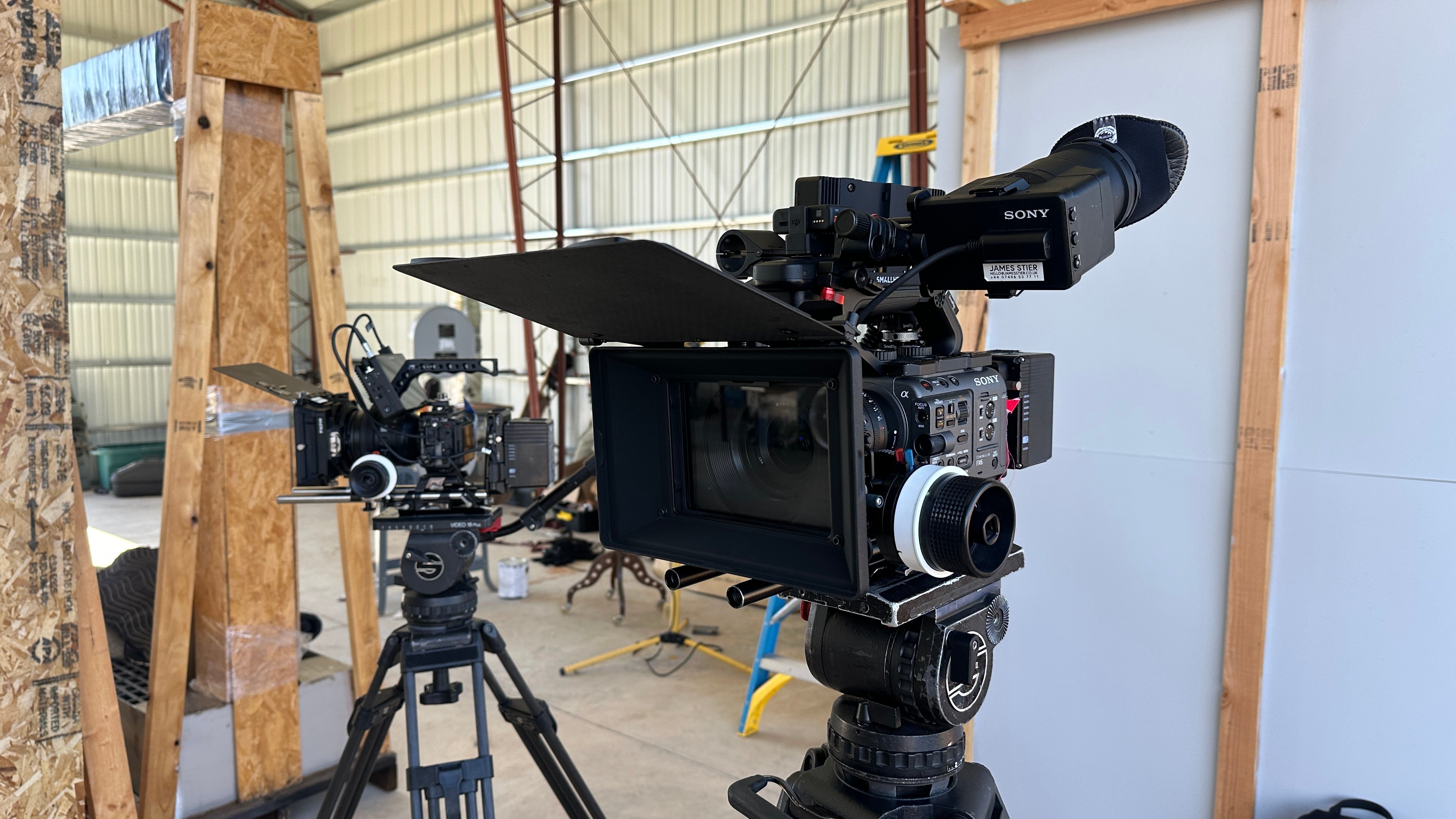
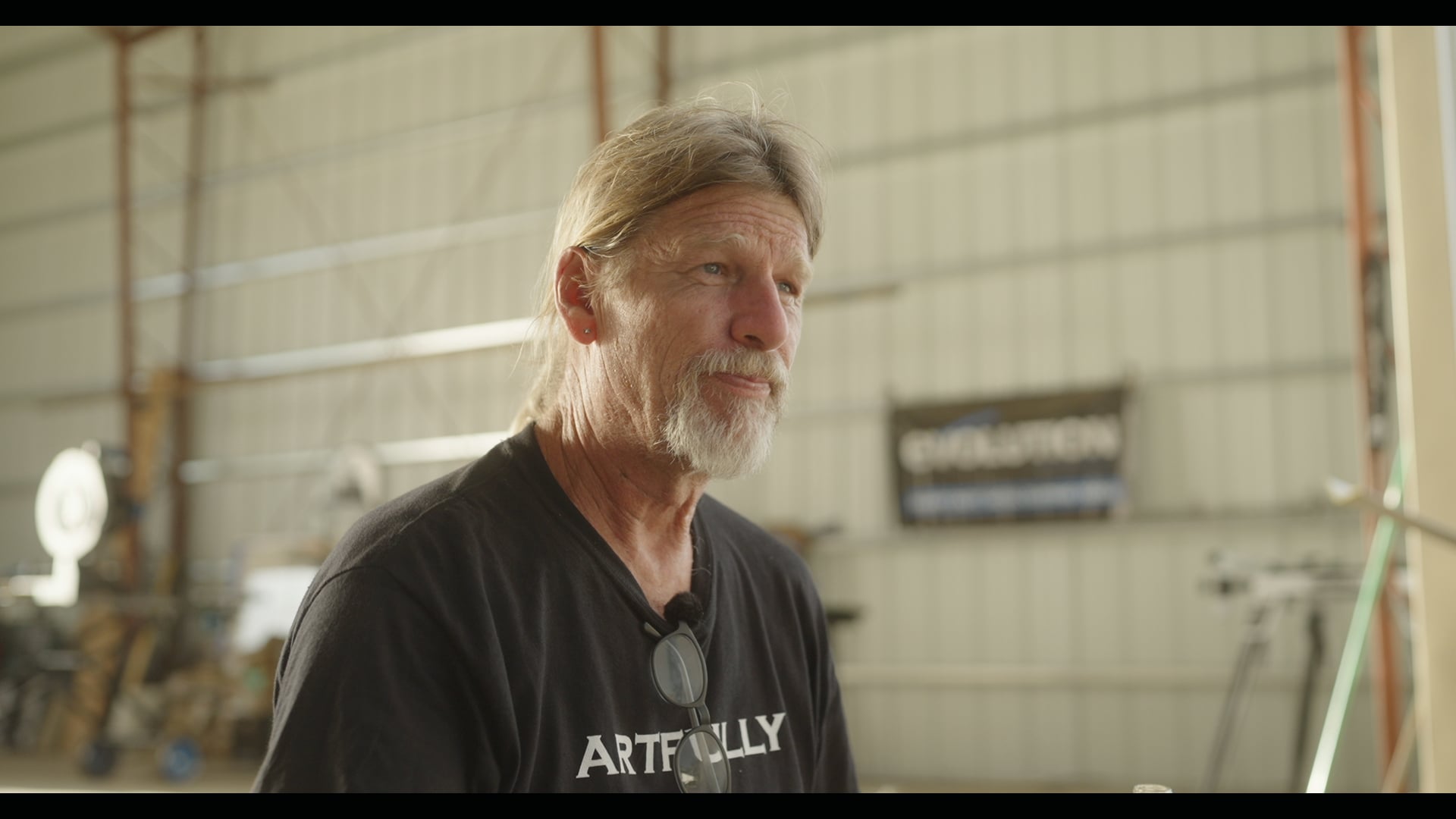
I just wrapped up an incredible shoot in the rugged beauty of Arizona, specifically just outside of Tucson and in the scenic Green Valley area. I have attached some BTS images and ungraded grabs from a few of our favourite frames. Filming in the heart of the desert presents a unique set of challenges, but those challenges are exactly what makes the experience so rewarding.
This time in the US, I was shooting a series of brand/product shorts for Evolution Power Tools, teaming up with Doug from the YouTube channel Artfully Rogue.
Tucson, with its stunning desert landscapes, provided a dramatic backdrop for the project. Nestled against the Santa Rita Mountains, Doug’s location offered a mix of sprawling desert plains and dramatic mountain ranges. The vistas are expansive, and the quiet, open spaces are perfect for capturing the essence of Arizona's natural beauty.
We shot with two cameras on this project, chosen for their small size and lightweight design, ideal for international travel. The A Cam was the Sony FX6, which truly shined in these conditions, offering outstanding dynamic range and incredible control even in tough desert conditions—the internal ND is invaluable. The B Cam was a Sony FX3. Even on the hottest day, when temperatures reached a blistering 44°C, the cameras performed flawlessly, handling the heat and intense sunlight without missing a beat.
I opted for a set of Sony G Master Prime lenses and some light optical diffusion. With limited lighting control (and no lights on location), subtle diffusion in front of the lenses helped roll off any overexposed areas I couldn’t control.
Of course, with a desert landscape comes the challenge of shooting in the heat. With temperatures soaring past 40°C daily, keeping both the crew and equipment cool was a constant battle. Hydration was crucial, and we had to be strategic about our shooting schedules, often working in the early mornings or late afternoons to avoid the most intense heat.
We relied heavily on Cinebvo, a local rental house in Tucson, for grip packages and additional gear. Their local knowledge was invaluable. Despite my best efforts to minimize what I brought, I opted to travel with the excellent 960-wheeled Nanuk case, which houses a padded ICU plus a selection of CRD Pouches with accessories. Cameras and lenses travelled with me inside the cabin.
Working with a small crew in such an environment had its own set of challenges, but it also fostered a tight-knit collaboration. Doug, Paul, and I wore multiple hats, pitching in with grip work, using 8x8 frames, 4x4 floppies, and bounce cards to control and shape the light for each setup. Paul, who was directing the project, supported me with capturing sound. I had my Sony UWP kit as a backup, but for speed, Paul opted to test out the new DJI Mic 2, which allowed us to record directly into the camera via the MiShoe adapter. The system performed exceptionally well, ensuring we captured clear audio despite an inbuilt 32-bit floating-point backup recording on the TX. The batteries lasted all day, and with the Sanken COS-11 mics, the sound quality and connection were solid.
I carry a US visa and often work in the US, offering transatlantic production services for colleagues and businesses in the UK who want a local presence in the States; this helps maintain a consistent level of quality for their brand and peace of mind. I also assist US producers with their projects in the UK, aiming to deliver a white-label service that meets the highest production standards within budget.
Shooting in Tucson was demanding, but it was also a powerful reminder of why I love what I do. Arizona, with its awe-inspiring landscapes, unique challenges, and friendly people, provided the perfect backdrop for the project.