The Importance Of An Experienced, Specialist Colourist.

An award winning underwater DoP and highly experienced digital colourist.
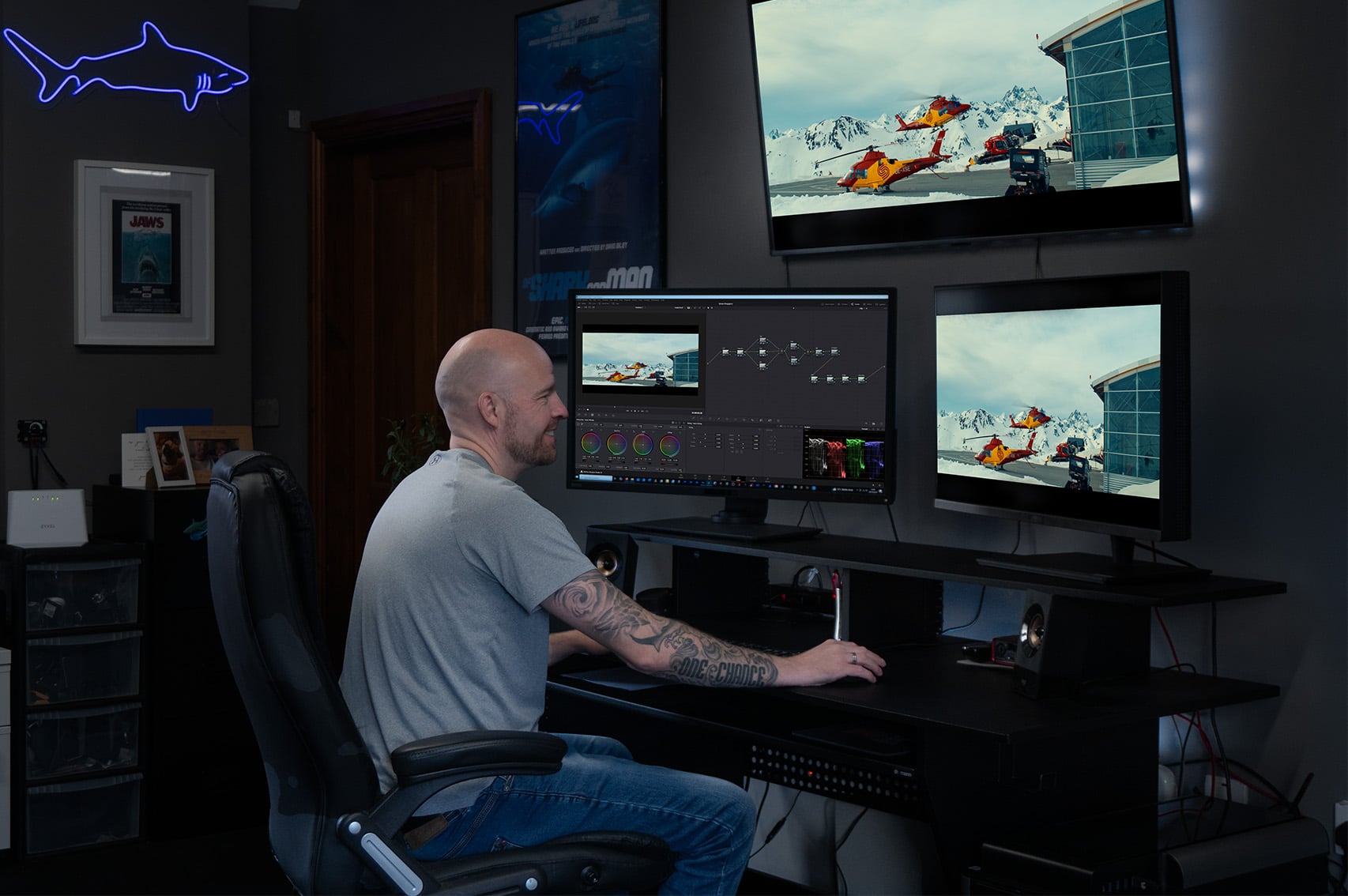
You've locked the edit on your project, your DoP did a great job shooting beautiful, impactful footage, your editor has cut an engaging story and your sound is on-point, now you just need to really add the final flourish, the colour grade... Unfortunately, this can be where a lot of projects never quite achieve the level of quality in the end result of which they were so easily capable.
Why is this?
As an experienced colourist with projects ranging from theatrical release features to corporate explainer videos, I think there are two answers to this question.
- Budget, or rather a lack of budget in the home stretch.
- The lack of understanding of what a colourist actually brings to the table.
It's 2024, almost 2025 and it still surpises me how many filmmakers, agencies and production companies don't think about the colour grade until it's too late. Colour grading should be a line item in every budget but all too often it is an add-on at the end of a project if the money is available.
I am certain that given the opportunity, every filmmaker and production company would want a "proper" colourist to handle the grade but all too often, particularly so in the last 12-24 months, it ends up being left to an editor or the DoP to save money in the home straight of the project.
With YouTube offering a wealth of "how to" videos on the subject, it is possible for someone with little to no experience of colour grading to come up with passable results in a grade, sometimes even quite good results but is "passable" or "quite good" good enough?
You put the budget into the rental equipment for the shoot in regards to cameras, lenses, lighting, locations etc, you had an experienced DoP, Gaffer, Sound Recordist, Producer, Director etc on-set. In post, you had an editor with a provable track record, same with the sound designer and VFX but right at the very end, you passed what is a big responsibility on to someone who, no matter how capable, did not have a track record in delivering highend results that, most importantly of all, augment your story.
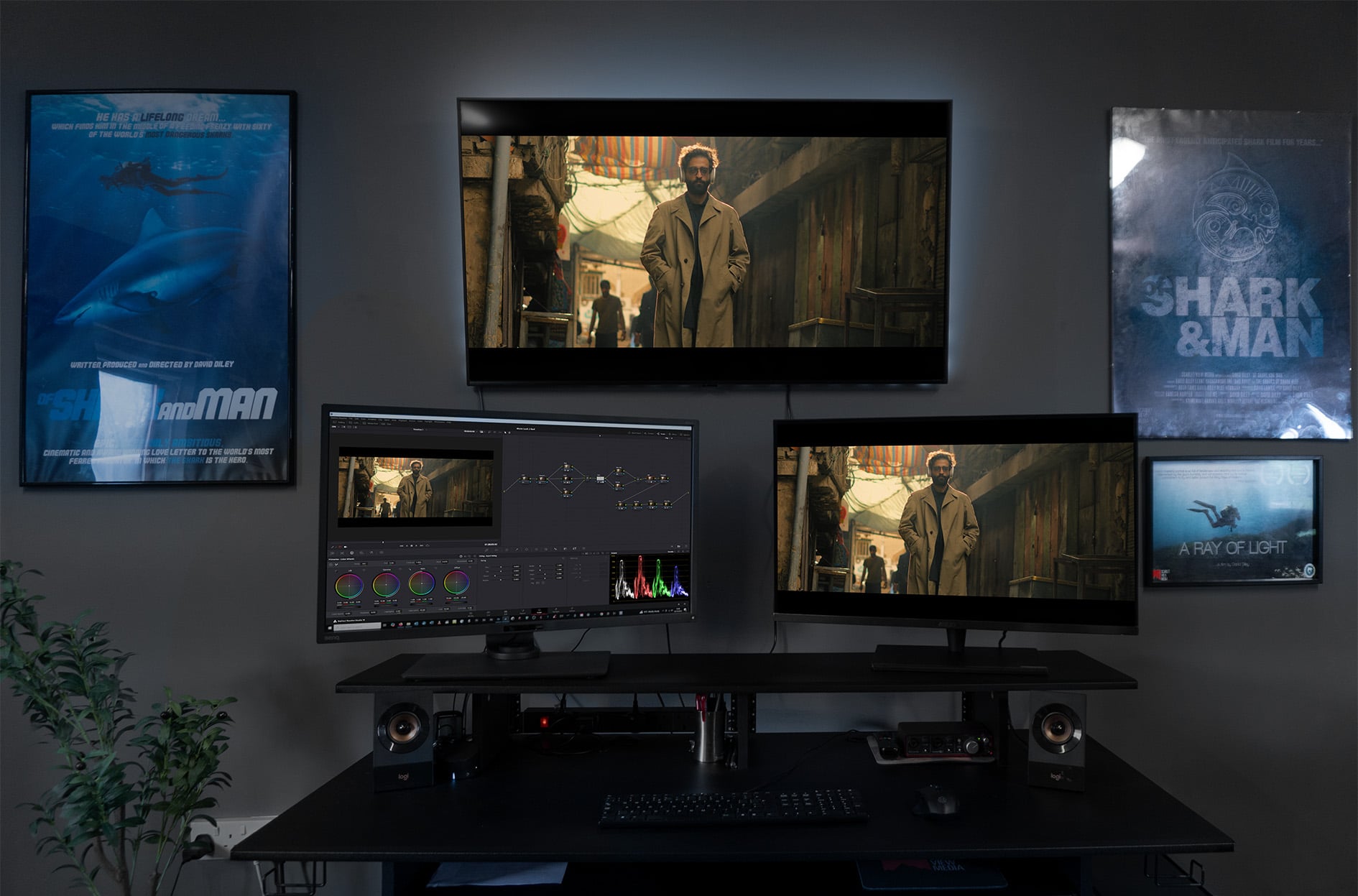
A specialist colourist brings two key elements to your project that create a huge amount of value you won't get if you're handling it "in-house" so-to-speak.
First of all, it's the knowledge. Not just knowledge of the software and technical elements of the grade, but knowledge of colour science and the impact of colour on both the aesthetic and thematic elements of your project. We don't just know how to do it, we know why to do it!
That knowledge and experience isn't just of creative benefit, it also ensures when your project is going through quality-control, it will pass through all the checks and avoid you having the inconvenience and expense of having to make corrections and re-submit.
I'll give you an example; I had a client ask me to handle the QC checks on a TV commercial which they had coloured in-house. When I received that project, not only was it clear it would not pass, it was also nowhere near the expected standards in regards to thematic relevance or aesthetic quality expected of television commercials. Visually it did not match the theme or brand identity of the advertised product but even more concerning was how it would stand out amongst the other commercials airing either side. In-short, the viewer would see the commercial and realise it did not look anywhere near as good as the other commercials in that advertising break and who would that reflect on? The end client, i.e. the big brand which paid a lot of money for the production and broadcasting space. Not good.
I spent the evening taking the Resolve project apart, starting it from scratch and colouring it how it deserved to be coloured. It was beautifully shot, well directed, had a great cast and had fantastic production design, it deserved to be not just beautiful but effective in its aims. When I had finished the grade, I emailed my client to give them the feedback they requested. I was honest and up-front about it but ensured that instead of just describing the problem, I also gave them the solution in a beautifully graded commercial which would sail through QC without any isses. Thankfully they agreed with my assessment, loved the new grade, it went on to air on television and their client loved it!
Secondly, a professional colourist has all the tools and environment needed to ensure total colour accuracy. Consider your answers to the following questions:
- Do you have professionally calibrated, colour accurate monitors capable of displaying various delivery formats?
- Does your video output have a clean feed to properly calibrated monitors?
- Do you have neutral, mid-grey walls?
- Do you have controlled ambient lighting at 6500K colour temperature?
- Do you understand working and delivery colour spaces?
- Do you know what Clearcast and other QC assessors actually need when it comes to colour?
If you answered "no" to any or all of those questions, you are not able to accurately assess the colours in your grade when it comes to aesthetic or technical requirements. Put simply, what it looks like to you on your display is not what it actually looks like. It's like your sound designer doing the mix but with the TV on in the same room!
One final consideration. We all understand the importance and value of good sound. Did you handle the sound design and audio mix in-house or did you entrust those to a professional? If you answered the latter, why not do the same when it comes to the colour?