Find experienced Freelancer remote head operators for Live Events, Commercials, Outside Broadcast, Festivals and Film and Television
null
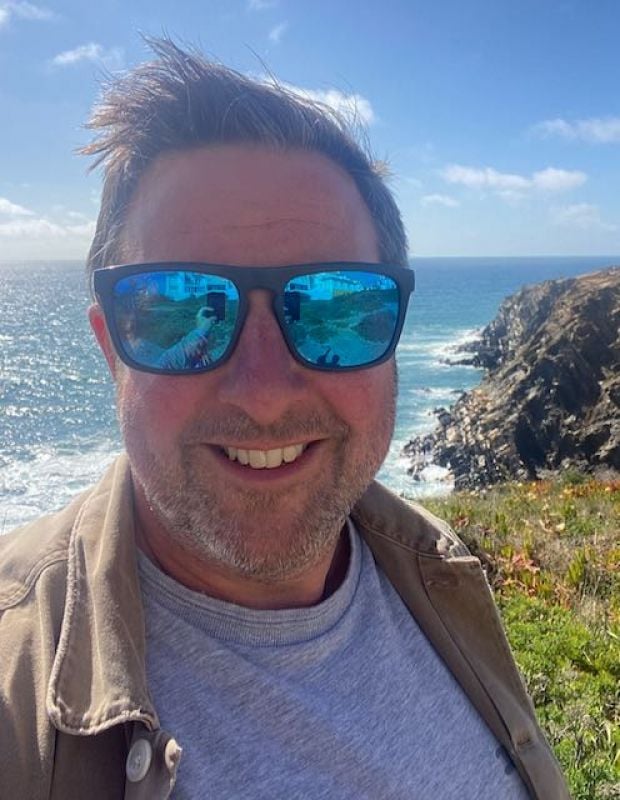
Dan Greenway
- Title
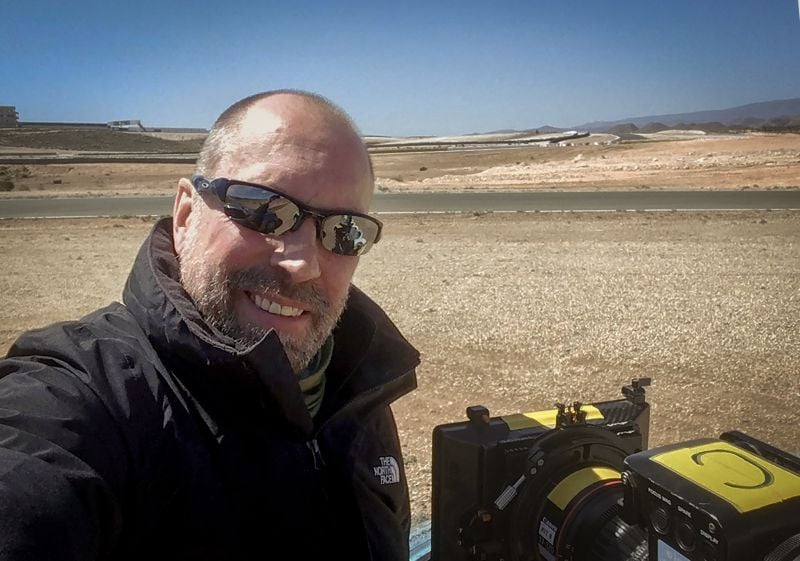
Chris Hyde
- Title
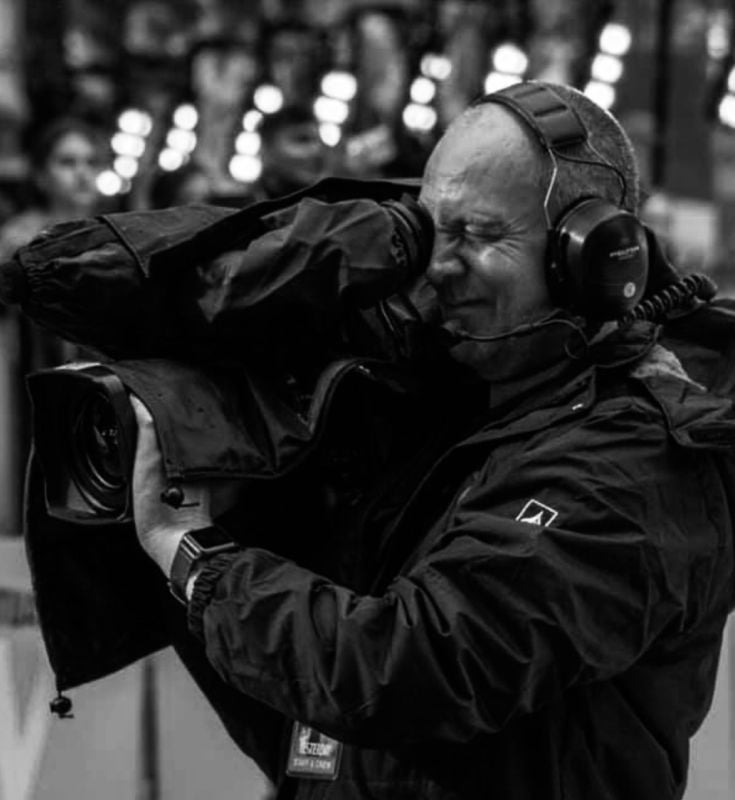
Gavin Roberts
- Title
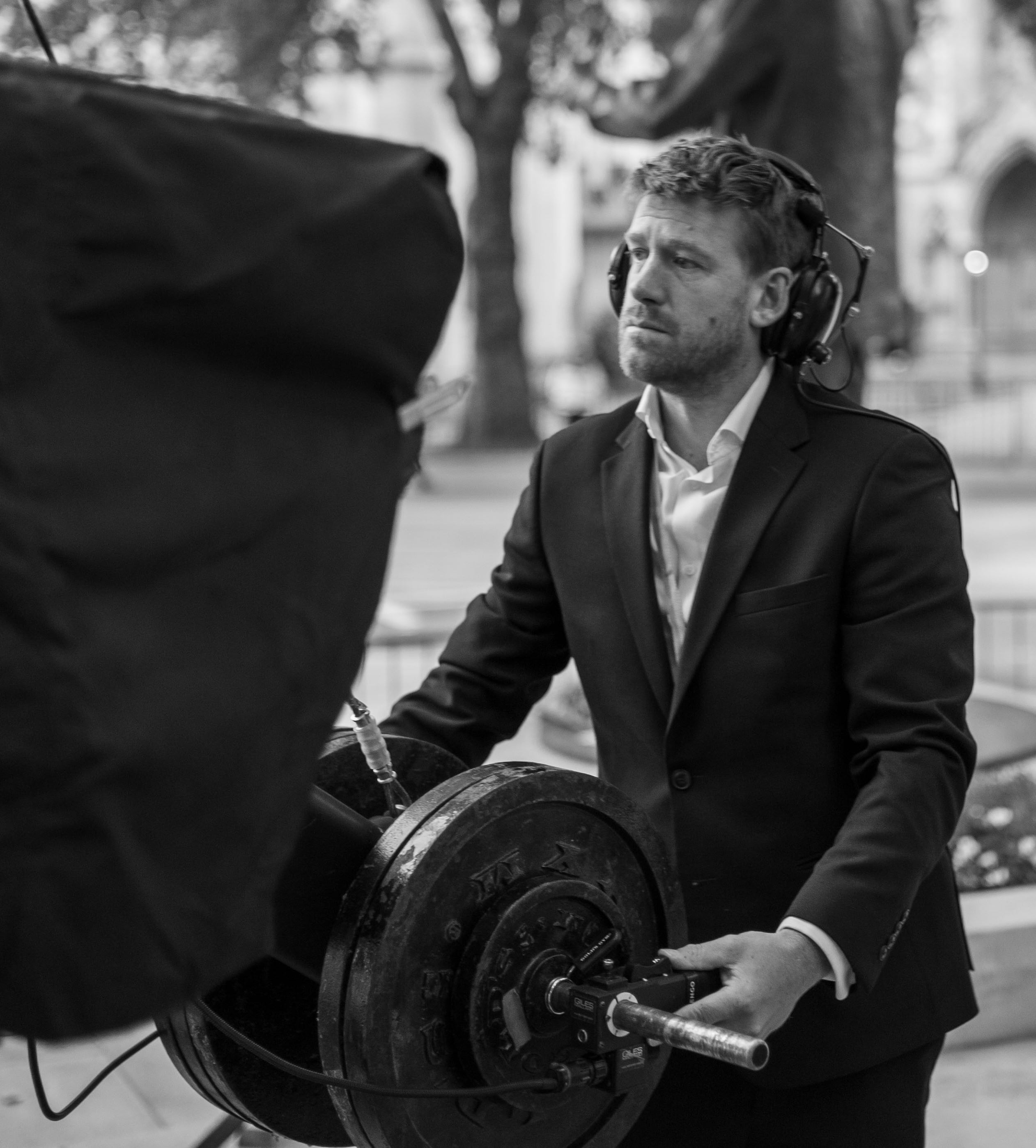
Giles Mallard
- Title
A remote head operator, also known as a remote camera operator or a camera robotics operator, plays a crucial role in live events, television broadcasts, and outside broadcast productions. Their primary responsibility is to operate remotely-controlled camera systems to capture footage from various angles and perspectives. Here's an overview of their skills, services, and responsibilities:
Skills:
- Technical Proficiency: Remote head operators must have a strong understanding of camera systems, robotics, and control interfaces. They should be proficient in operating remote-controlled pan, tilt, and zoom functions to capture shots accurately.
- Problem-Solving Abilities: They should be able to troubleshoot technical issues quickly, as they may encounter problems with camera movement, connectivity, or equipment malfunction during live broadcasts or events.
- Attention to Detail: Remote head operators need to pay close attention to framing, composition, and focus to ensure that the footage meets the production's quality standards.
- Communication Skills: They often work closely with directors, producers, and other members of the production team, so effective communication is essential for understanding their requirements and executing shots accordingly.
- Ability to Work Under Pressure: Live events and television broadcasts can be fast-paced and high-pressure environments, so remote head operators must be able to remain calm and focused while capturing footage in real-time.
Services:
- Camera Operation: Remote head operators are responsible for operating remote-controlled camera systems to capture footage of live events, performances, interviews, and other on-screen elements.
- Shot Composition: They work with directors and camera supervisors to frame shots effectively, ensuring that the footage aligns with the creative vision of the production.
- Camera Movement: Remote head operators use pan, tilt, and zoom functions to move the camera smoothly and dynamically, providing viewers with engaging and immersive visuals.
- Collaboration: They collaborate with other camera operators, technicians, and production crew members to coordinate camera movements, transitions, and cues during live broadcasts and events.
Responsibilities:
- Preparation: Before a live event or broadcast, remote head operators must set up and calibrate remote-controlled camera systems, ensuring that they are functioning properly and positioned correctly.
- Operation: During the event or broadcast, they operate remote-controlled cameras to capture footage from multiple angles and perspectives, following the direction of the director and camera supervisors.
- Monitoring: Remote head operators monitor camera feeds and control interfaces to ensure that shots are framed accurately, in focus, and aligned with the production's requirements.
- Adaptability: They should be prepared to adjust camera positions, angles, and movements in real-time, responding to changes in the action or direction from the production team.
- Maintenance: Remote head operators may be responsible for performing routine maintenance and troubleshooting on camera systems, ensuring that they remain operational throughout the duration of the production.
Overall, remote head operators play a critical role in live events, television broadcasts, and outside broadcast productions, using their technical expertise and creative skills to capture dynamic and compelling footage from remote-controlled camera systems.