Hire a Chief Lighting Technician/Gaffer
Looking to hire a Gaffer/Chief Lighting Technician? The Sab Network is home to the world's best Sound Assistants. Follow, connect, hire and be inspired.
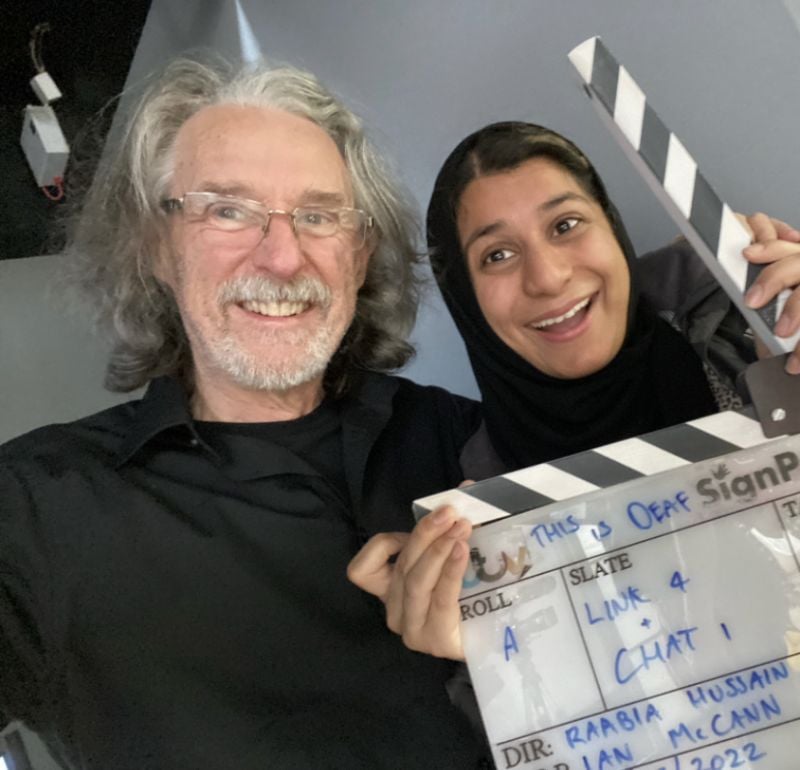
Ian McCann
- Title
What Is a Gaffer?
The term "gaffer" is derived from a British slang term for a utensil called a "gaff," which was a hooked metal pole used in theatres to adjust stage lighting. The gaffer is the electrical department's head and the set's chief lighting technician. The gaffer is the electrical department's head and the set's chief lighting technician. The gaffer's job is to lead a team of lighting professionals in executing a production's lighting strategy. The best boy electric is the gaffer's second-in-command, and he assists the gaffer in leading the lighting technicians.
Under the command of the director of photography (DP, DOP, or Cinematographer) or, in television, the lighting director, the gaffer is in charge of lighting, including accompanying resources such as labour, lighting instruments, and electrical equipment (LD).
The DP/LD is in charge of the overall lighting design, but the gaffer and key grip are in charge of putting it into action. The head grip is in charge of labour and non-electrical equipment that is used to support and change the illumination. Stands, flags, and gobos are examples of grip equipment. Depending on the magnitude of the job, the gaffer will have the best boy, and crew members who are referred to as "set lighting technicians" or "electricians," but not all of them are trained as electricians in the traditional sense.
A gaffer has a long list of jobs, both within pre-production and onset production.
During pre-production, the gaffer collaborates extensively with the director and cinematographer to determine how the lighting will fit into the film's aesthetic concept.
A gaffer understands the light effects needed to bring that mood to life because they have many years of experience lighting on site. Furthermore, they are aware of the necessary equipment, skills, and electrical personnel and an approximate estimate of the costs.
The gaffer goes to the location after agreeing on a general concept. They analyse the ideas that have been decided upon and test how light is created and regulated in that context. They look at power sources, determine whether weather conditions are relevant and, if so, what to do about it, and take notes on any concerns or workarounds that are required. Then they create a complete list of the necessary kit, which they submit to the line producer for approval.
The gaffer often hires the best boy. Following a meeting with the best boy, the best boy can recruit the rest of the lighting crew and places an order for the necessary equipment.
During a motion picture production, the gaffer collaborates with a variety of other film teams and employees.
Rigging is the term for non-electrical equipment that assists in the lifting or hoisting of other equipment. The grip crew is one such group. The grip crew is in charge of all non-electrical equipment for the gaffer and camera operators, while the lighting technicians are in charge of all electrical equipment. Camera rigs (to stabilize camera movement and obtain specific camera angles) and lighting rigs are two of the grip department's specialities (to achieve specific lighting techniques and effects).
The grip crew is overseen by a key grip, who coordinates all rigging requirements on a film set like the gaffer coordinates lighting requirements. The grip crew also has a "best boy" crew member, also known as the "best boy grip," who is not to be confused with the gaffer's best boy, the best boy electric.
Gaffers work closely with the director of photography (DoP) to create and manipulate light to bring a film's overall aesthetic to life. Gaffers are the go-betweens for the director of photography and the rest of the lighting team. They're also in charge of safety and must follow all applicable laws regarding electricity, driving, and work.
A group of electricians, comprising the head electrician, electric best boy, rigging gaffer, and other lighting department staff, work under the gaffer.
The key grip, grip best boy, and the rest of the grip crew collaborate closely with the gaffer. The grip department is in charge of setting up the lighting equipment.
A gaffer must also get along with the rest of the crew. Budgeting is decided upon and tracked in collaboration with a production manager or accountant, usually via a production assistant. A camera operator requires the appropriate illumination for each shot and may need to move around throughout a take without colliding with lighting equipment.
Gaffers have many years of direct, hands-on experience. It’s a job requiring a wide range of complex skills which they can only learn and develop on the job.
A gaffer must have a thorough understanding of electrical and lighting equipment. They must detect difficulties with electricity, heat, wires, and fuses before they become a problem. If something is broken, they must be able to recognise the problem and repair it quickly. Gaffers are fully qualified and experienced electricians as a result of this.
The gaffer's role is to build up a lighting plan and know how to generate each scene's lighting impact and mood when a Director of Photography and director set out an aesthetic vision.
What is a Gaffer in film production?
Under the command of the director of photography (DP, DOP, or Cinematographer) or, in television, the lighting director, the gaffer is in charge of lighting, including accompanying resources such as labour, lighting instruments, and electrical equipment (LD).
The DP/LD is in charge of the overall lighting design, but the gaffer and key grip are in charge of putting it into action. The head grip is in charge of labour and non-electrical equipment that is used to support and change the illumination. Stands, flags, and gobos are examples of grip equipment. Depending on the magnitude of the job, the gaffer will have the best boy, and crew members who are referred to as "set lighting technicians" or "electricians," but not all of them are trained as electricians in the traditional sense.
What does a Gaffer do?
A gaffer has a long list of jobs, both within pre-production and onset production.
Pre-production
During pre-production, the gaffer collaborates extensively with the director and cinematographer to determine how the lighting will fit into the film's aesthetic concept.
A gaffer understands the light effects needed to bring that mood to life because they have many years of experience lighting on site. Furthermore, they are aware of the necessary equipment, skills, and electrical personnel and an approximate estimate of the costs.
The gaffer goes to the location after agreeing on a general concept. They analyse the ideas that have been decided upon and test how light is created and regulated in that context. They look at power sources, determine whether weather conditions are relevant and, if so, what to do about it, and take notes on any concerns or workarounds that are required. Then they create a complete list of the necessary kit, which they submit to the line producer for approval.
The gaffer often hires the best boy. Following a meeting with the best boy, the best boy can recruit the rest of the lighting crew and places an order for the necessary equipment.
What Is the Difference Between a Gaffer and a Grip?
During a motion picture production, the gaffer collaborates with a variety of other film teams and employees.
Rigging is the term for non-electrical equipment that assists in the lifting or hoisting of other equipment. The grip crew is one such group. The grip crew is in charge of all non-electrical equipment for the gaffer and camera operators, while the lighting technicians are in charge of all electrical equipment. Camera rigs (to stabilize camera movement and obtain specific camera angles) and lighting rigs are two of the grip department's specialities (to achieve specific lighting techniques and effects).
The grip crew is overseen by a key grip, who coordinates all rigging requirements on a film set like the gaffer coordinates lighting requirements. The grip crew also has a "best boy" crew member, also known as the "best boy grip," who is not to be confused with the gaffer's best boy, the best boy electric.
Who does a Gaffer work with?
Gaffers work closely with the director of photography (DoP) to create and manipulate light to bring a film's overall aesthetic to life. Gaffers are the go-betweens for the director of photography and the rest of the lighting team. They're also in charge of safety and must follow all applicable laws regarding electricity, driving, and work.
A group of electricians, comprising the head electrician, electric best boy, rigging gaffer, and other lighting department staff, work under the gaffer.
The key grip, grip best boy, and the rest of the grip crew collaborate closely with the gaffer. The grip department is in charge of setting up the lighting equipment.
A gaffer must also get along with the rest of the crew. Budgeting is decided upon and tracked in collaboration with a production manager or accountant, usually via a production assistant. A camera operator requires the appropriate illumination for each shot and may need to move around throughout a take without colliding with lighting equipment.
What skills does a Gaffer need to have?
Gaffers have many years of direct, hands-on experience. It’s a job requiring a wide range of complex skills which they can only learn and develop on the job.
Technical Knowledge
A gaffer must have a thorough understanding of electrical and lighting equipment. They must detect difficulties with electricity, heat, wires, and fuses before they become a problem. If something is broken, they must be able to recognise the problem and repair it quickly. Gaffers are fully qualified and experienced electricians as a result of this.
Lighting Artistry
The gaffer's role is to build up a lighting plan and know how to generate each scene's lighting impact and mood when a Director of Photography and director set out an aesthetic vision.
Experienced gaffers know what personnel and equipment are required and how to employ them to achieve the desired lighting levels and effects. They'll also be aware of the financial repercussions of each move.
A gaffer collaborates closely with the director and director of photography, who are often overworked and juggling multiple responsibilities. As a result, the gaffer is responsible for running a department on set and ensuring that everything runs as smoothly as possible. All of this necessitates exceptional communication abilities. A gaffer, in particular, requires excellent listening abilities. They must comprehend what a DoP is requesting when articulating a scene's lighting vision and catch up on the ramifications as a situation is quickly described to them on set by a member of the crew.
A gaffer's ability to plan and organise is vital. All employees and equipment must be available when needed; otherwise, everything will come to a halt (and the expenses will rise) until the problem is fixed. On the other hand, you don't want employees or equipment present on days when they aren't needed because it is a waste of money.
Designing lighting effects with a Director of Photography and a Director of Photography necessitates striking a delicate balance between making confident decisions about how to accomplish the intended impact and considering other people's opinions during the planning phase. When it comes to setting up lighting locations, the same skills are required, though now on a more practical level with the crew. When something goes wrong, a series of sophisticated computations must be performed quickly, leading to swift instructions or actions. Even under duress, a gaffer should be able to make sound decisions.
Gaffers work with lights. Most lights are above head height and accessed with a ladder.
Everyone has a job to do and a place in the hierarchy on a movie or television set. A gaffer understands what each department and its roles do and the implications when discussions are held about any aspect of the shoot.
Onset, the gaffer works closely with the DP/lighting director to ensure that everything goes according to plan. They also work together to ensure there is enough time for each shot so that the lights can be changed quickly without causing any problems. They may need to adjust the intensity of the lights if something changes during shooting; this could include changing the colour temperature, adding more lamps, dimming down existing ones, etc.
You would hire a Gaffer if you were to need help with the following tasks:
Communication Skills
A gaffer collaborates closely with the director and director of photography, who are often overworked and juggling multiple responsibilities. As a result, the gaffer is responsible for running a department on set and ensuring that everything runs as smoothly as possible. All of this necessitates exceptional communication abilities. A gaffer, in particular, requires excellent listening abilities. They must comprehend what a DoP is requesting when articulating a scene's lighting vision and catch up on the ramifications as a situation is quickly described to them on set by a member of the crew.
Organisation Skills
A gaffer's ability to plan and organise is vital. All employees and equipment must be available when needed; otherwise, everything will come to a halt (and the expenses will rise) until the problem is fixed. On the other hand, you don't want employees or equipment present on days when they aren't needed because it is a waste of money.
Quick Decision Maker
Designing lighting effects with a Director of Photography and a Director of Photography necessitates striking a delicate balance between making confident decisions about how to accomplish the intended impact and considering other people's opinions during the planning phase. When it comes to setting up lighting locations, the same skills are required, though now on a more practical level with the crew. When something goes wrong, a series of sophisticated computations must be performed quickly, leading to swift instructions or actions. Even under duress, a gaffer should be able to make sound decisions.
A Head for Heights
Gaffers work with lights. Most lights are above head height and accessed with a ladder.
Industry Knowledge
Everyone has a job to do and a place in the hierarchy on a movie or television set. A gaffer understands what each department and its roles do and the implications when discussions are held about any aspect of the shoot.
Why do you need to hire a Gaffer
Onset, the gaffer works closely with the DP/lighting director to ensure that everything goes according to plan. They also work together to ensure there is enough time for each shot so that the lights can be changed quickly without causing any problems. They may need to adjust the intensity of the lights if something changes during shooting; this could include changing the colour temperature, adding more lamps, dimming down existing ones, etc.
You would hire a Gaffer if you were to need help with the following tasks:
- Reading the script and making notes of any special lighting needs for the production.
- Meeting with the director, producers, and director of photography to determine their vision for the lighting.
- Coming up with a plan to execute that vision, including what lights and lighting equipment will be best for the job, all within the production’s budget.
- Assembling the lighting crew, including set lighting technicians, lamp operators, and the best boy.
- Gives the lighting plan to the best boy, who leads the lighting technicians in setting up the lights and electrical equipment. Lighting technicians use specific tools to do their job, like “gaffer tape,” which secures electrical cords on set.
- Observing the lighting on the film set or television set during filming and making adjustments to ensure the lighting is just right.
How much does a Gaffer cost to hire?
Sab Network Gaffers charges are in line with BECTU and APA on commercial projects. Rates should be agreed directly with the member.
<H2>Why Choose The Sab Network to hire your Chief Lighting Technician/Gaffer?
The Sab Network is the place to go if you're looking for an award-winning crew that has shown to be dependable, trustworthy, and experienced. The Sab Network is a referral-only network of experts in various roles who can assist you with all of your production needs.
The very nature of The Sab Network is that the pre-filter is being in the network in the first place. Because they're already trusted, experienced, and competent individuals, bookers, don't have to search through countless CVs. It gives you peace of mind that they'll be able to finish the job to the highest level.
We know how difficult it is to locate suitable candidates who can match our clients' requirements. Our purpose is to assist you in achieving your goals!
All our members have experience working for the best production companies, broadcasters and corporations.
Please contact us if you'd need more information about how The Sab Network works or if you'd like to discuss any element of employing freelancers.