Drones - A Good Little Un beats a Good Big Un
Confession:
I am not a specialist camera drone flier.
I am, however, a highly experienced and multi-award-winning Director of Photography working on factuals, commercials, corporate videos, and scripted genres, and I have been shooting with a drone for a few years.
If you want world-class footage for a major drama or other high-end production, and you have the budget, the time, control of everyone nearby, and if flying a full cinema-capable drone at your chosen location is not prohibited, I can provide a suitable specialist team who will check the legal and regulatory situation and make appropriate applications, and of course, fly a suitable big drone equiped with your chosen camera system.
Such assignments are exclusively for specialists.
However, for many assignments, that level of expertise and equipment is not required.
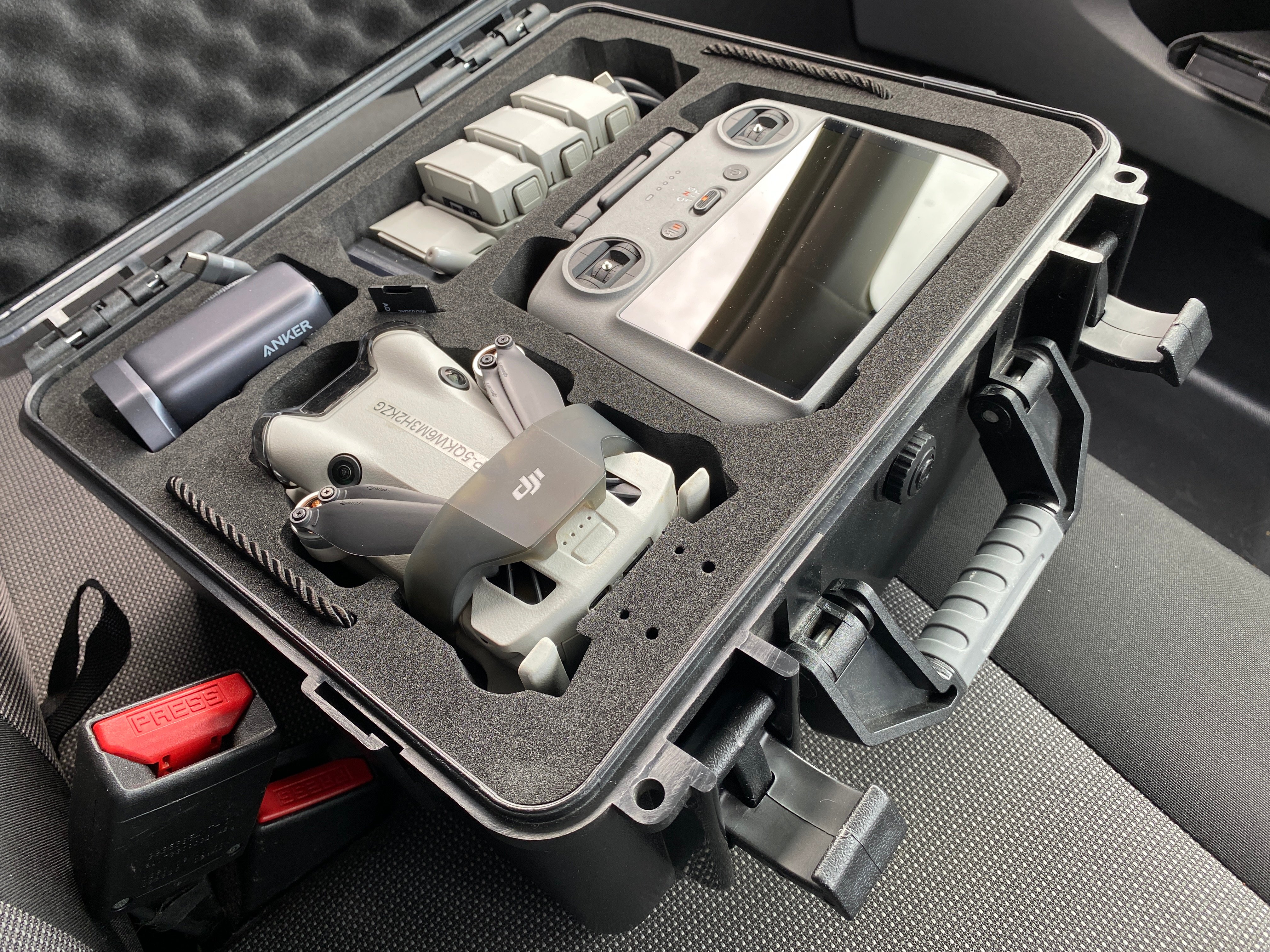
And that is where a good DOP can often help, and why I now habitually carry a camera drone in my van.
I have completed the training, passed the appropriate exam, and hold the required Civil Aviation Authority (CAA) certification and mandated insurance.
A good DOP or Photographer who has chosen to invest in a modern drone, learned the skills needed, and attained the required qualifications and insurance, will produce excellent aerial shots under most conditions for a very modest price that represents amazing value for money, and with the minimum of palaver.
Categories:
There are many kinds of drones, but they are all categorised based on their weight. In the UK, as of 2026, there are 7 categories, UK0 to UK6.
So why do I say, a good little un beats a good big un? Back in the days of film, long before digital, I was an advertising photography student and our senior technical lecturer used to say, "A good big un beats a good little un." He was right in terms of technical quality. Larger areas of film produce pictures with less grain, sharper detail, and a more natural tonal range and colours. And to this day, bigger digital sensors also outperform smaller sensors, all things being equal. However, there is a better-known mantra that is also true: "The best camera is the one you have with you." And the fact that the vast majority of photos and videos are now shot on smartphones makes the point. So a small drone that can be taken on every assignment, and used almost anywhere, is better than a big one back at base or prohibited from flying where the opportunity presents.
Sub 250 Grams, UK0 Class Drones:
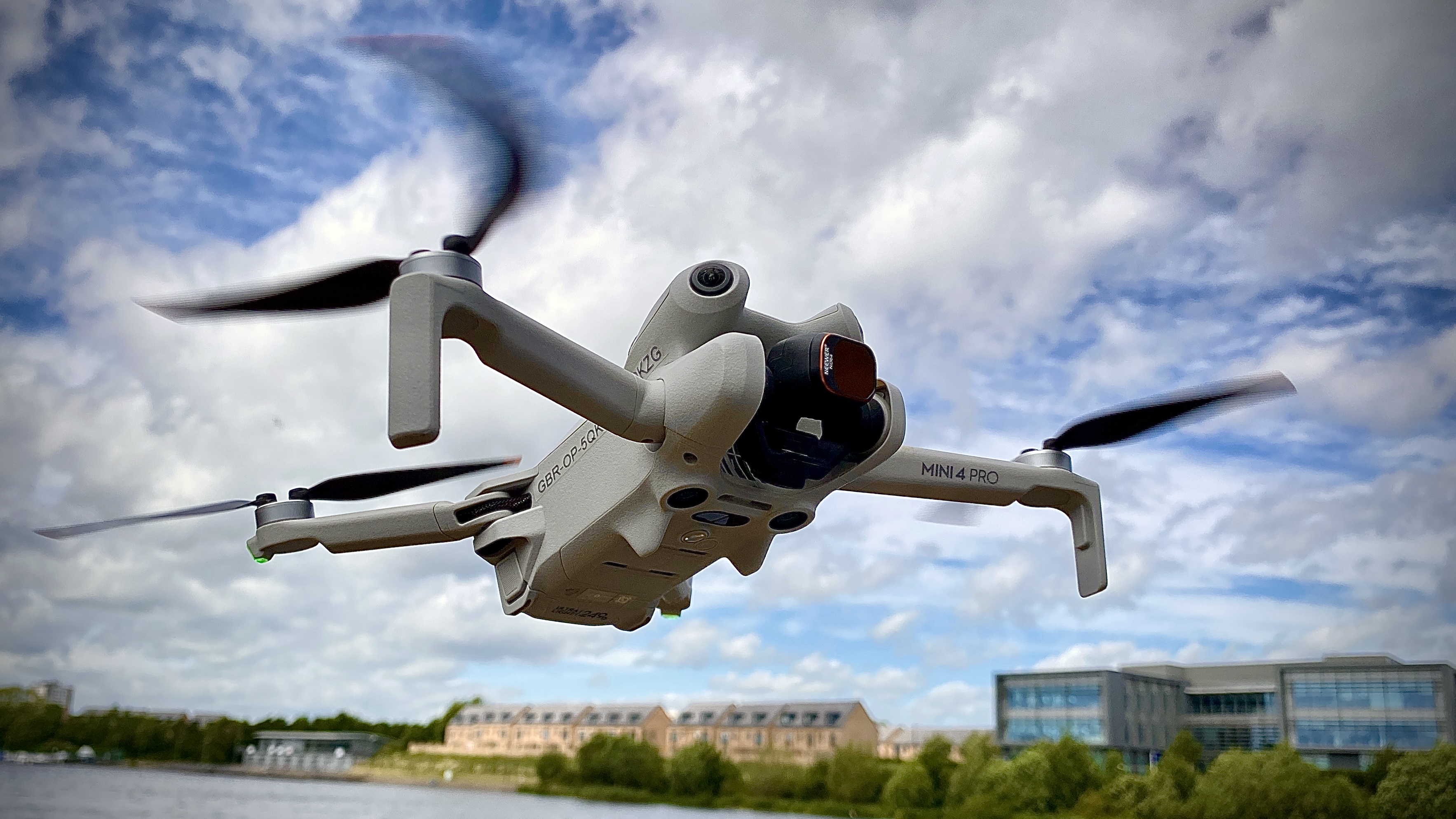
By far the most useful camera drones, from my perspective, are those in the UK0 (sub-250-gram) category. The best of these seemingly impossibly small camera drones include incredibly capable cameras that, in skilled hands, can produce stunning broadcast-quality 4K video and professional-quality photographs.
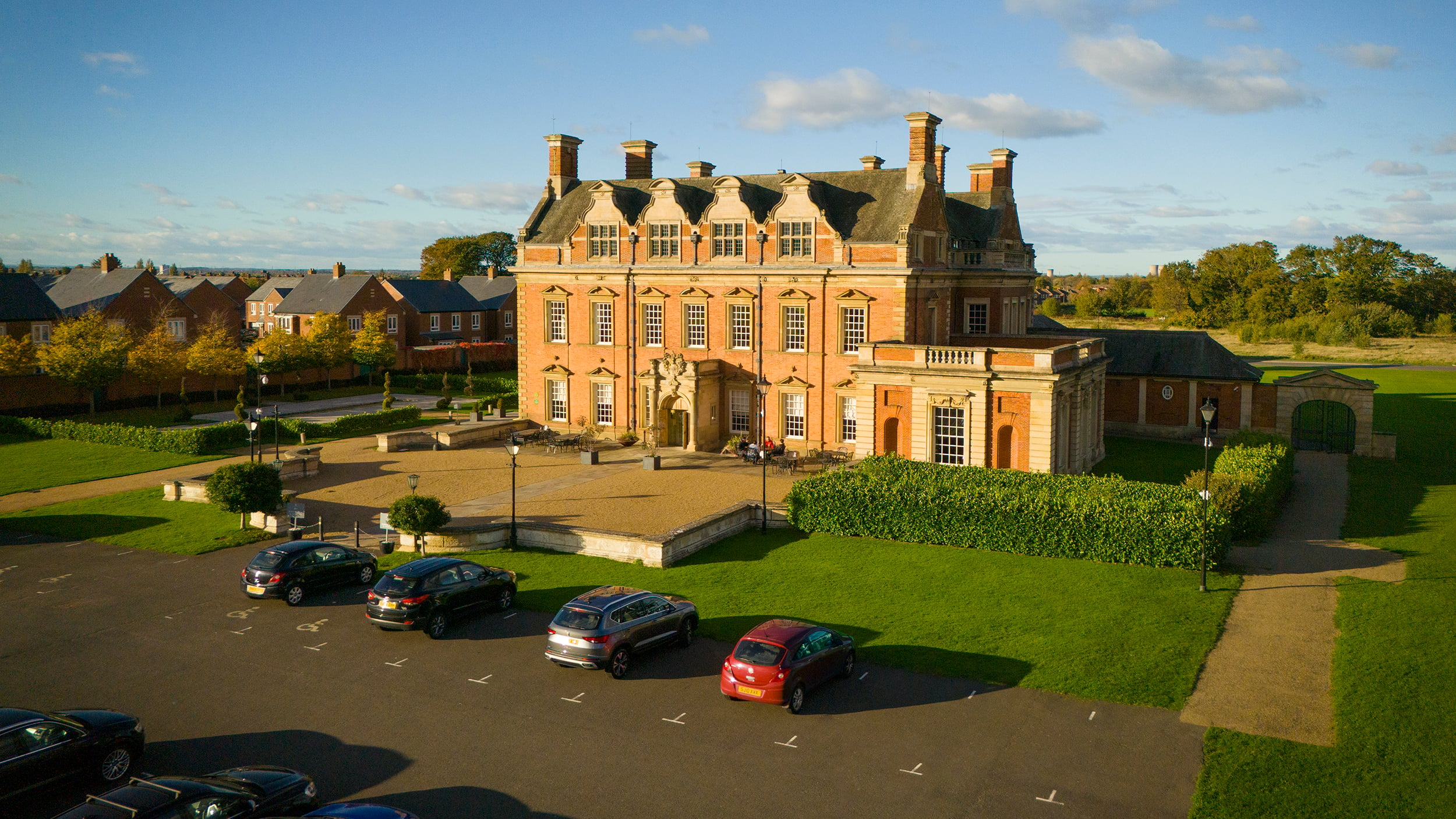
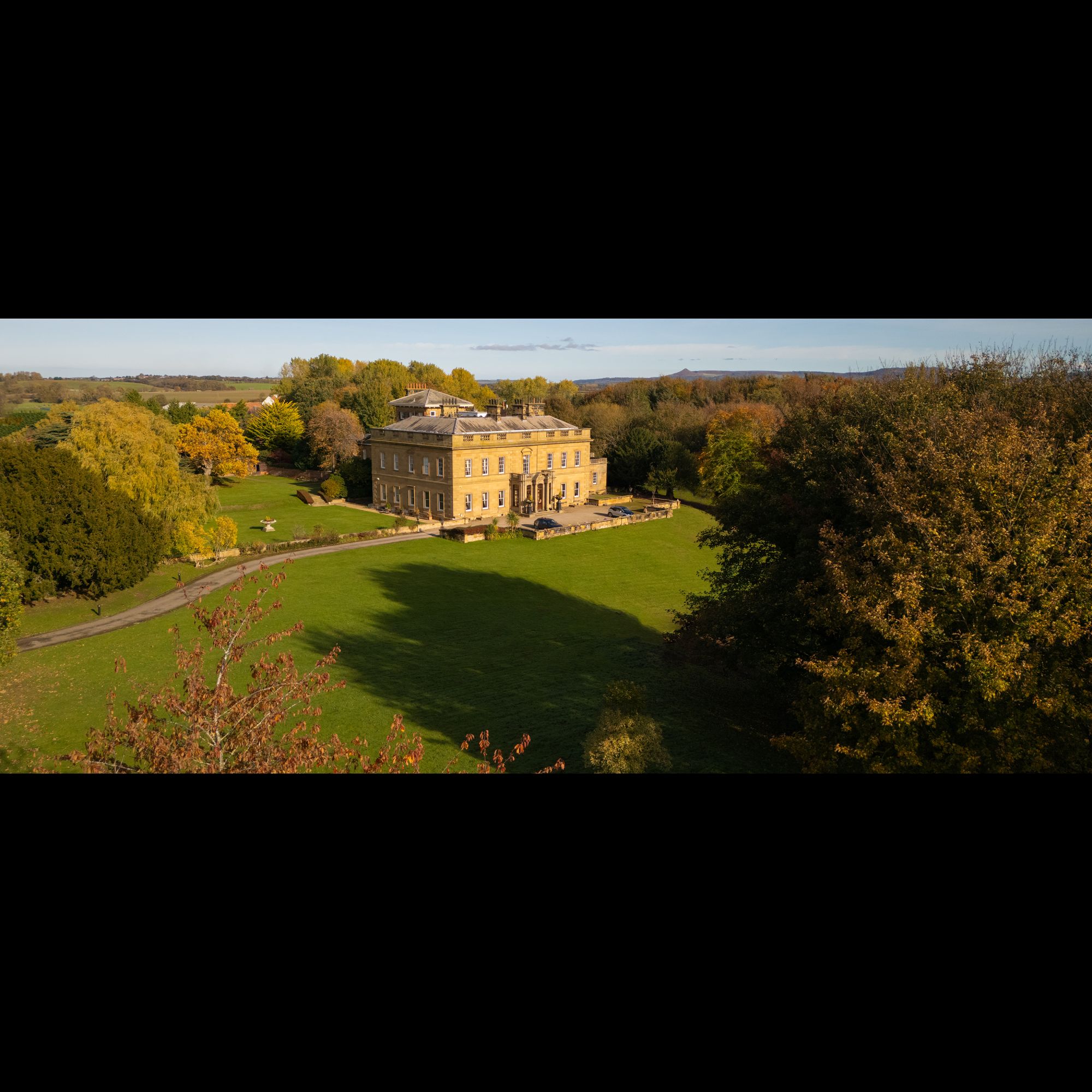
I made the above photograph using a UK0-class drone, and after editing, I reduced it to 1/10th of the original size/quality, so it loads quickly on your device. In other words, the original was literally 10 x better quality. I think you'll agree that this is an impressive result from such a small, light, versatile, and budget-friendly drone.
Bigger And Better Drones:
Yes, the bigger and more expensive drones do offer additional benefits, including the ability to carry larger and even better cameras; some can even carry full-size cine cameras with state-of-the-art lenses, others have multiple built-in lenses, and most can fly at higher maximum speeds and in stronger winds. They also have larger batteries, enabling them to stay airborne longer and fly farther. So, why do even specialist drone fliers, who own one or more of the bigger units, also have a UK0 classified aircraft? The answer is that UK0-class drones are permitted to fly in many more situations than their bigger counterparts. Specialists pick the best drone for the job, considering all the above factors and your budget.
Most Useful Drones:
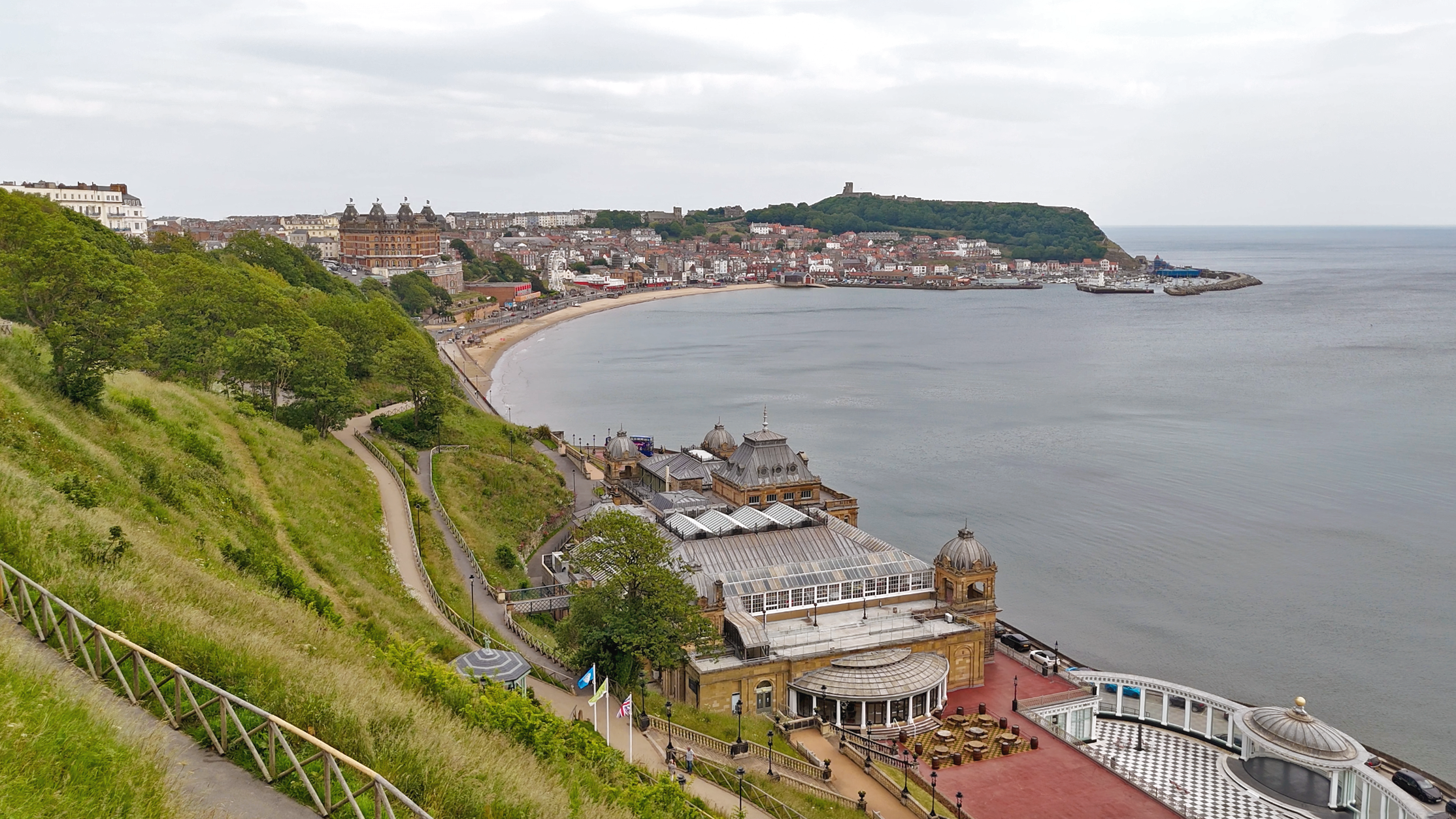
The single most important reason most drone flying camera professionals own UK0-class of drones is that they can be flown safely and legally in residential, recreational, commercial and industrial areas, near and even over people with very few restrictions, and despite their incredibly small size, they are surprisingly capable, can be flown in blustery conditions, and deliver broadcast-quality footage, and great photographs, all for a minimal cost.
Stealthy Drones:
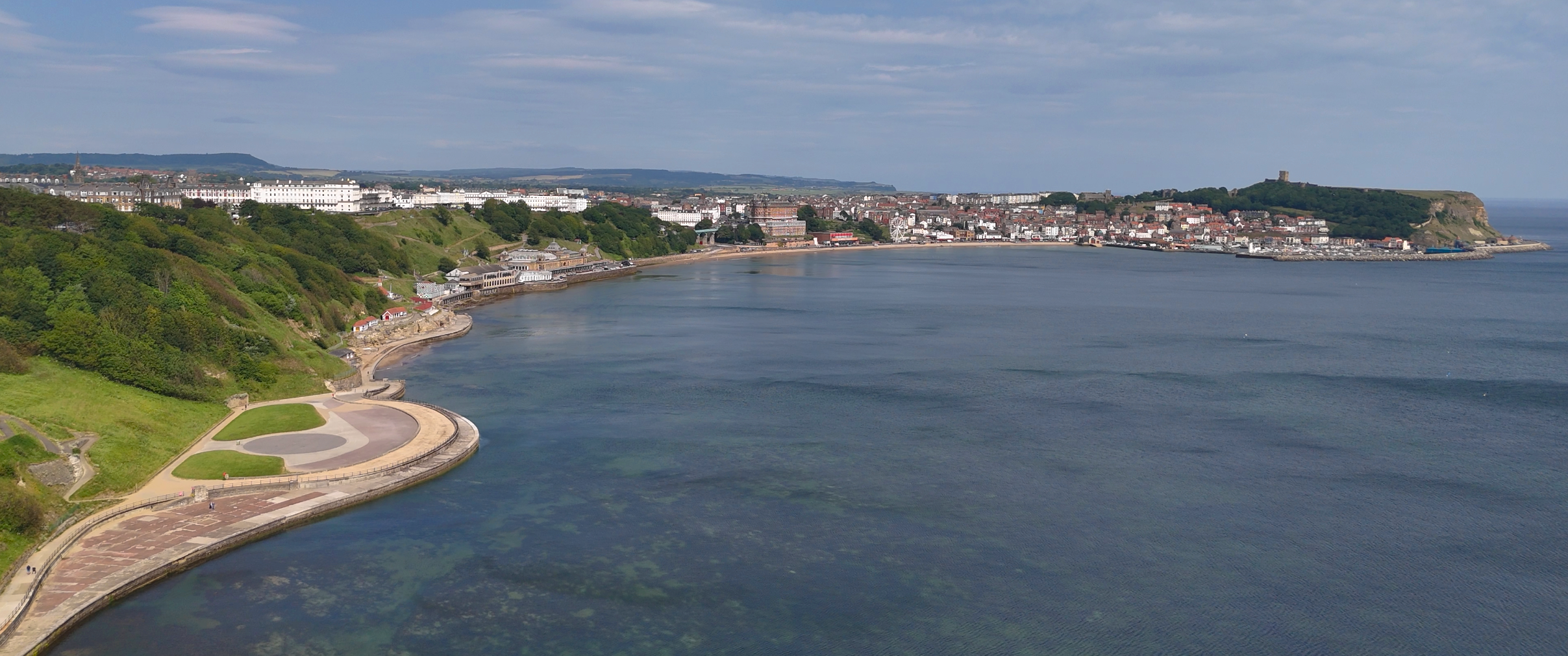
Smaller drones have another advantage that is often overlooked. Being quieter and much less obtrusive, they are better suited for filming the general public and animals behaving naturally, and they disturb the public and wildlife much less.
The Best Drone Is The Drone You Have With You:
And, as if all that is not enough, I habitually take a small drone with me on ground-based shoots, just in case someone has a brainwave or an unexpected opportunity arises.
Recently, I was shooting a documentary/period drama/comedy. Not the End of the Line celebrates the 200th anniversary of the Stockton & Darlington Railway, the world's first steam-powered railway.
For the opening shot, the director asked me to film our 2 heroes walking towards a railway station, while talking about the history of the Stockton & Darlington Railway. The driveway is not the most attractive setting; it communicated nothing about our location in the world, and there was no regular shot that would entice our viewers to watch more.
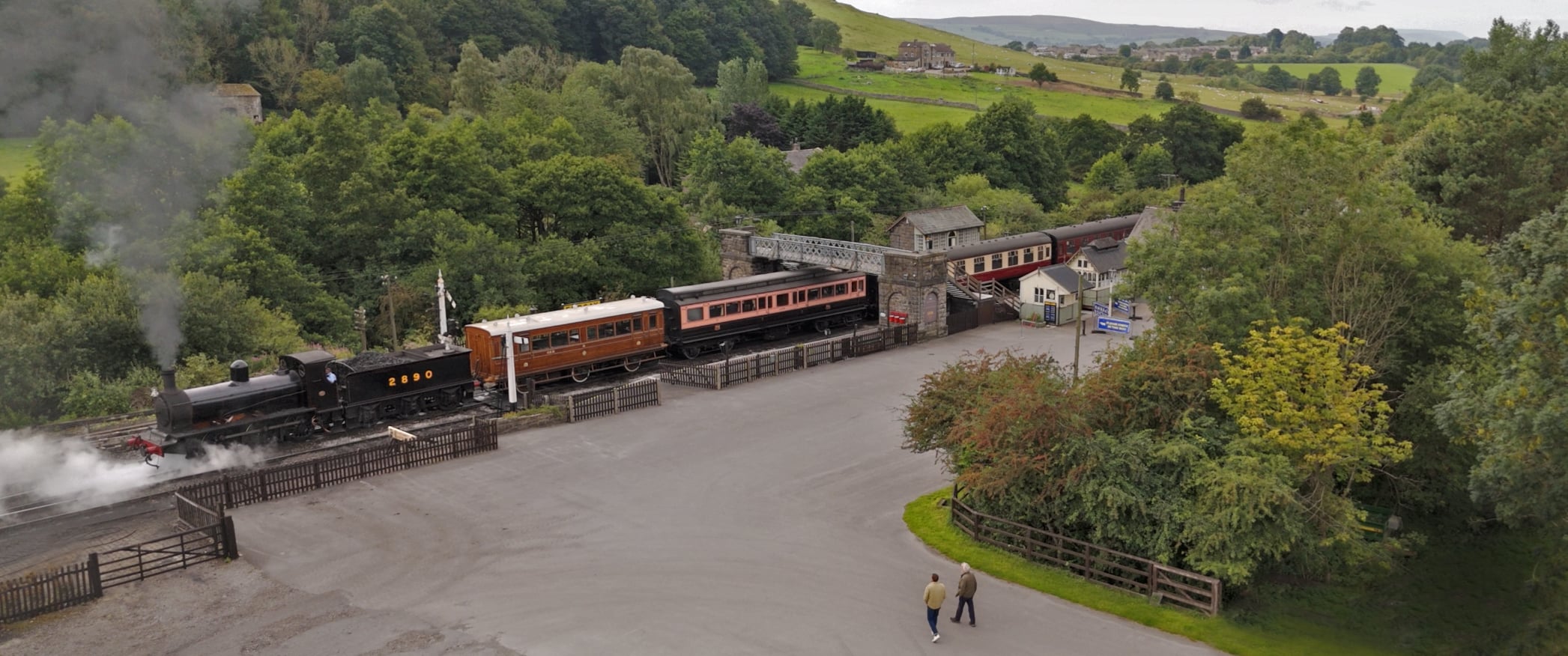
I had another idea, and after describing it to the Director, up went my UK0-class drone to reveal the glorious Yorkshire Dales in all of their splendour. With the camera rolling, I slowly brought it down to reveal a Victorian railway station, as a steam train started its journey to Not the End of the Line for the world's railways, and our leading men, actors Bill Fellows and Jake Anderton, walked into frame and towards the future.
The scene and the subject were established, and our heroes were introduced as their words began narrating the incredible, world-changing story, all in a beautiful, dynamic, engaging, and quickly filmed shot.
The movie started on a high note, and we saved time with minimal impact on the budget.
Filming is a creative process involving on-set problem-solving, implementing last-minute bright ideas, and responding to unforeseen events. The latest little drones are powerful tools that offer filmmakers increased flexibility with minimal cost implications, and I routinely carry mine, just in case.
Bonus Use:
One other use of drones that is often overlooked: They can also be used to create action movie-style sequences, allowing the camera to move with the on-screen action, without the time-consuming and costly grips crew and equipment, such as tracks and dollies, and cranes.
Affordability:
As with all professional activities, the question of cost has to be considered. UK0-class units are the most affordable option.
1, They are less expensive to buy.
2, They cost less to insure and to maintain legal registration, flight log documentation, and licensing for the pilot and machine.
3, They can be flown with less pre-flight planning, and fewer permissions have to be applied for and granted, so flight planning time and costs are reduced.
4, Being so small, they can always be accommodated in my van, no matter how much other equipment I am transporting.
5, They can be flown solo, whereas bigger machines often require a 2-person crew, increasing costs significantly.
6, They are much easier to carry to difficult-to-access locations.
7, Their low weight means they are not expensive to transport on passenger airliners.
Net Result:
I can supply you with aerial shots in most locations, at a budget-friendly price, allowing your productions to benefit from birds-eye views far more often.
Democritised Aerial Filming:
I think you'll agree, skillfully employed UK0-class drones offer many opportunities to raise the production value of even the lowest budget productions.
Conclusion:
That is why I say, "A good little un beats a good big un".
And That's A Wrap!