Video Editing - Post-production
In 1990 I spent twice the price of my new house on a second-hand video system, including a 3-tube camera, a portable U-matic recorder, and a 3-machine edit suite.
I believed some of my bigger photography clients would provide a market for a local high-quality video service, which no one else was offering at the time.
U-matic was a broadcast standard system that was being phased out in favour of Betam, the predecessor to Betacam SP, but the newer format equipment was more than twice as expensive and way out of my league at the beginning of my video/tv career. However, I made several videos on the U-matic system learning my craft, proving there was a viable market and that I could deliver excellent products. Importantly, I found I could also generate a profit.
About a year later, I landed 2 major video clients, Cable & Wireless Marine and its subsidiary Northern Ocean Services. These firms sent me on assignments, all around the world, and in the North Sea oil fields, every few weeks for several years.
Using a smaller lighter and more easily portable/transportable Betacam SP camcorder was much more practical, and the cost of replacing my shooting and editing equipment could now be afforded and justified.
Over the next few years, I used my Betacam SP equipment to shoot and edit dozens of videos for a range of clients, of all sizes.
Despite the massive cost, my edit suite was quite limited, especially regarding titling, graphics, and the ability to re-edit programmes without losing quality or starting the whole edit again, which was a great drawback with analogue linear ending systems.
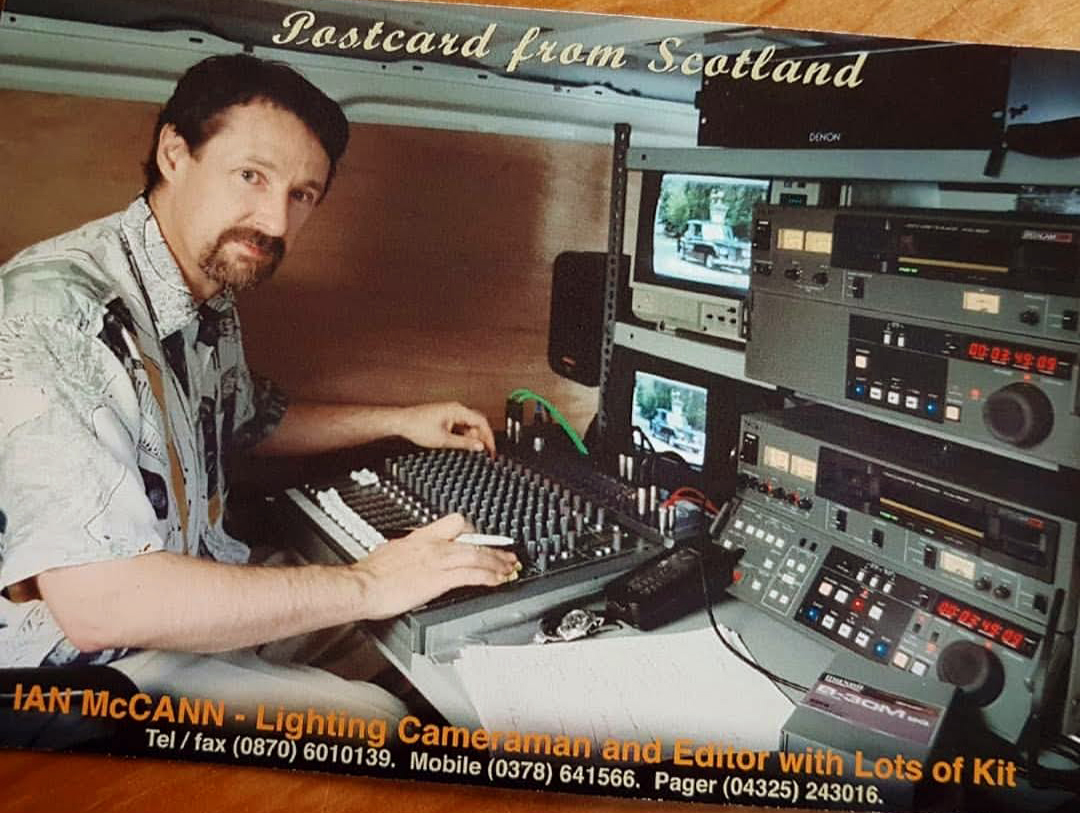 In 1997, I even built an edit truck for an assignment with French broadcaster TF1, to edit news pieces about the Royal family at Balmoral, after the death of Princess Diana.
I hired a Transit van, then bought steel shelving, a "silent" generator, and a pair of small nearfield audio monitors, and within about 12 hours I had installed two of my Betacam SP edit machines, and ancillaries and set off for Scotland.
In 2000, I invested in my first nonlinear edit system, an Avid with the Uncompressed and SDI In and Out options, which provided much better titling and graphics features than my traditional suite and a much more flexible way of working. The learning curve was steep but McMillan, the supplier, had an amazing online support expert who rapidly brought me up to speed.
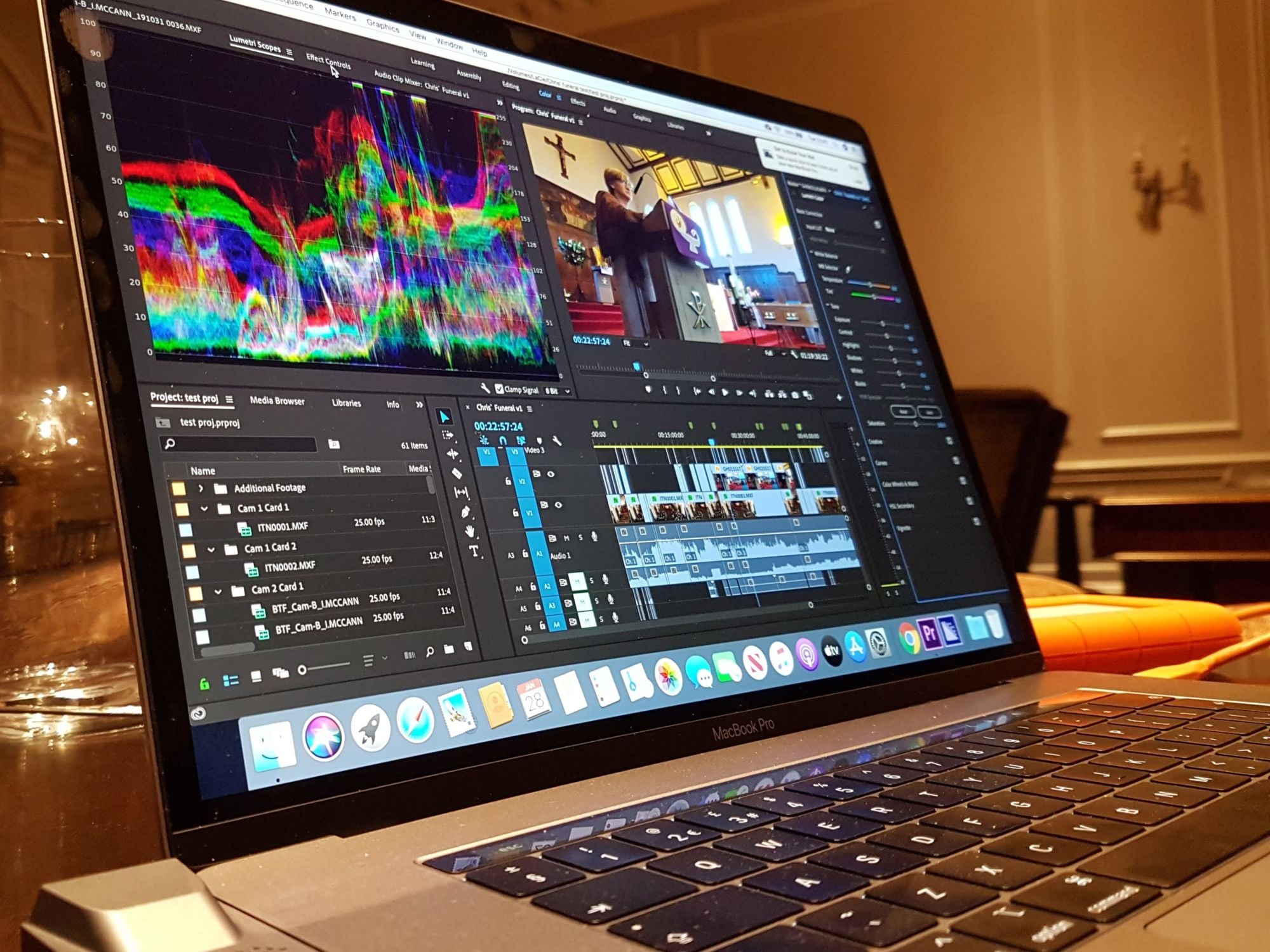
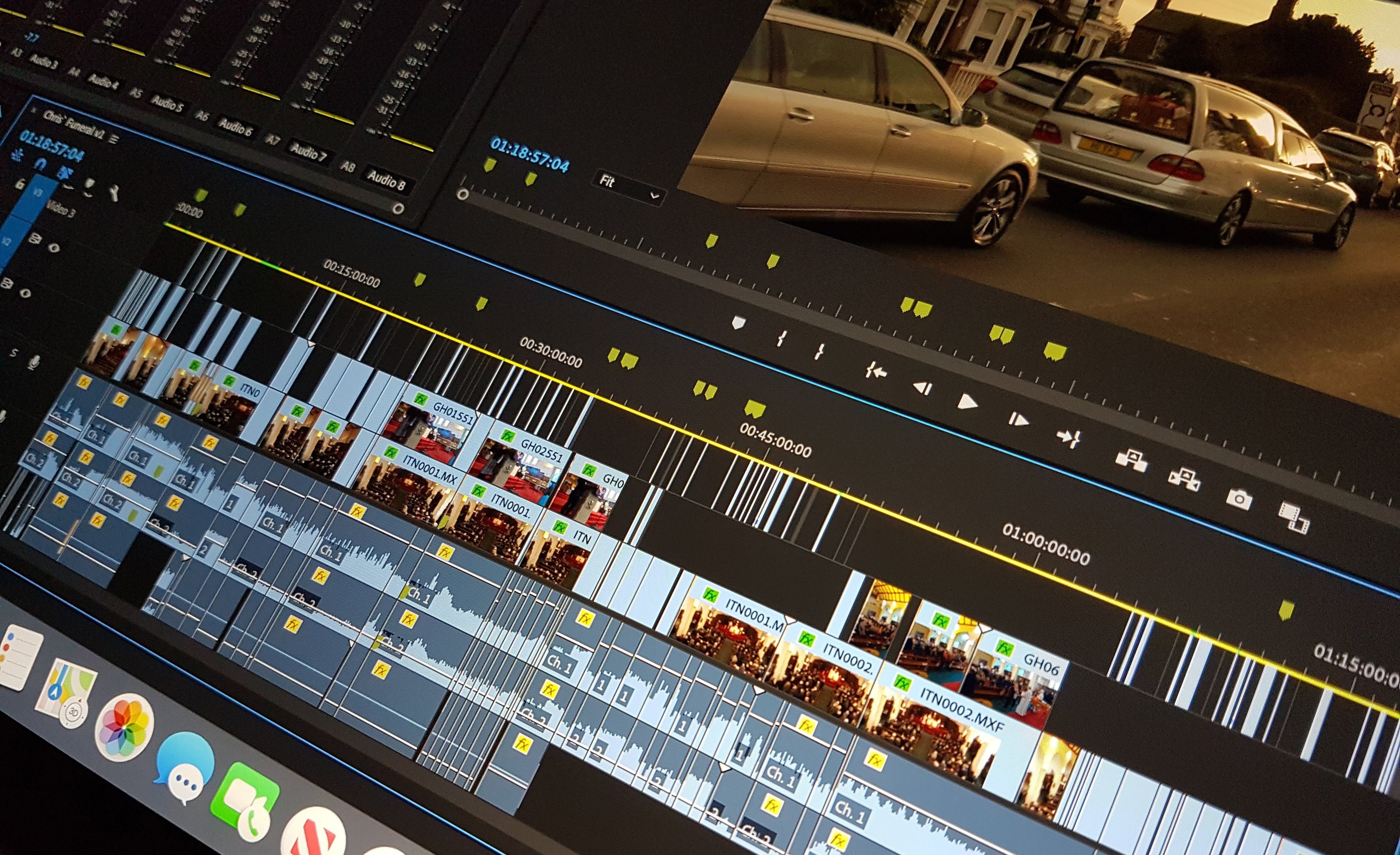 In 2007, technology had progressed and I changed again, buying a Final Cut Pro 7 system, which was quite different and in many ways much better. I loved FCP7 and I kept it as long as I could but eventually, I needed to upgrade again and invested in an Adobe Premiere system, which I still use today on my desktop Mac and my MacBook Pro laptop.
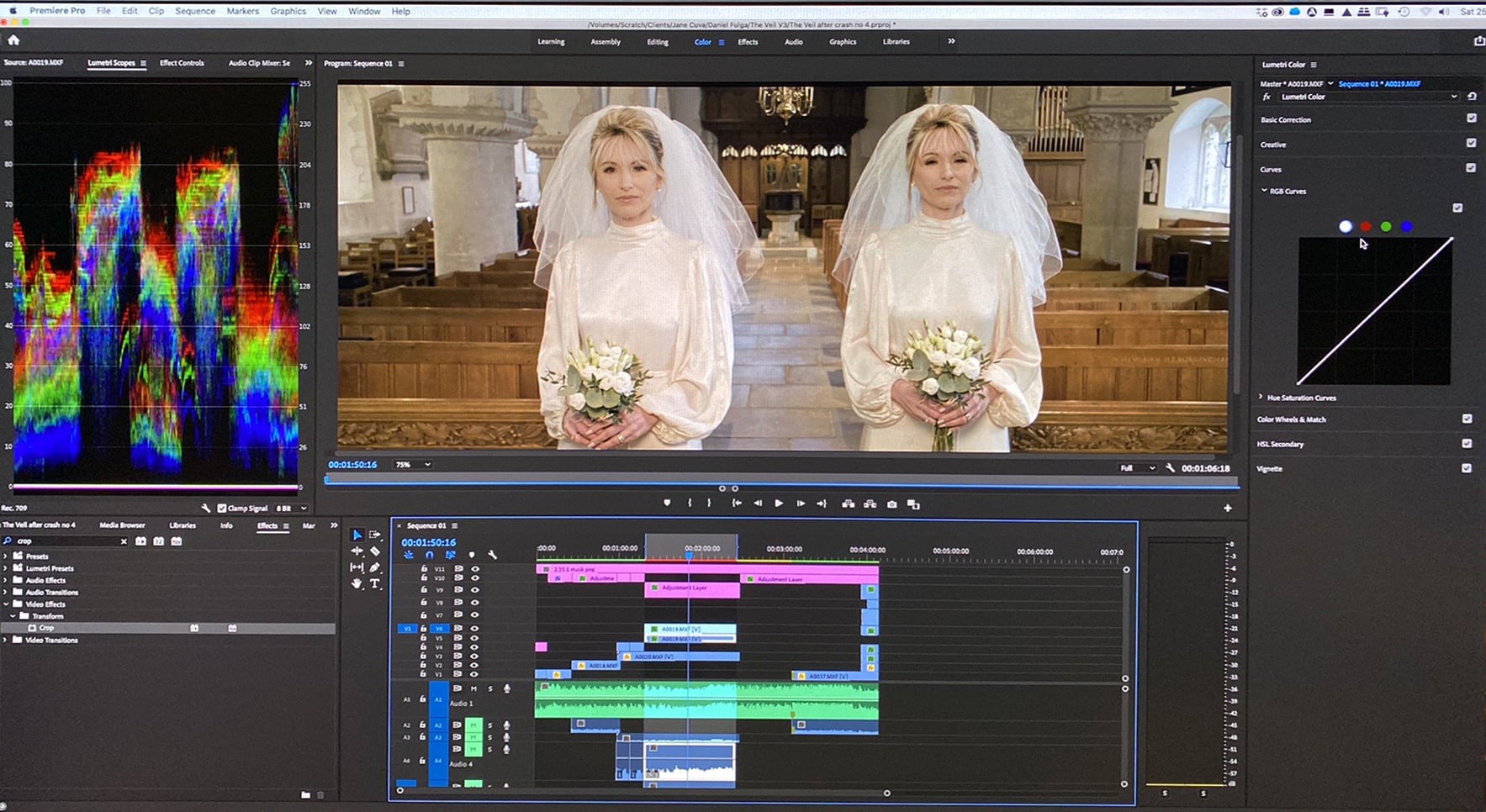 Over more than 30 years, I have edited hundreds of pieces including news stories, a music video based on a wedding video idea, countless corporate films, a long-form funeral video, a Millennium Eve party for a major football club owner/commercial property developer, and a Short Film for a Film Festival, using numerous platforms. However, I do not consider myself an editor. I am a DoP and Filmmaker who edits.
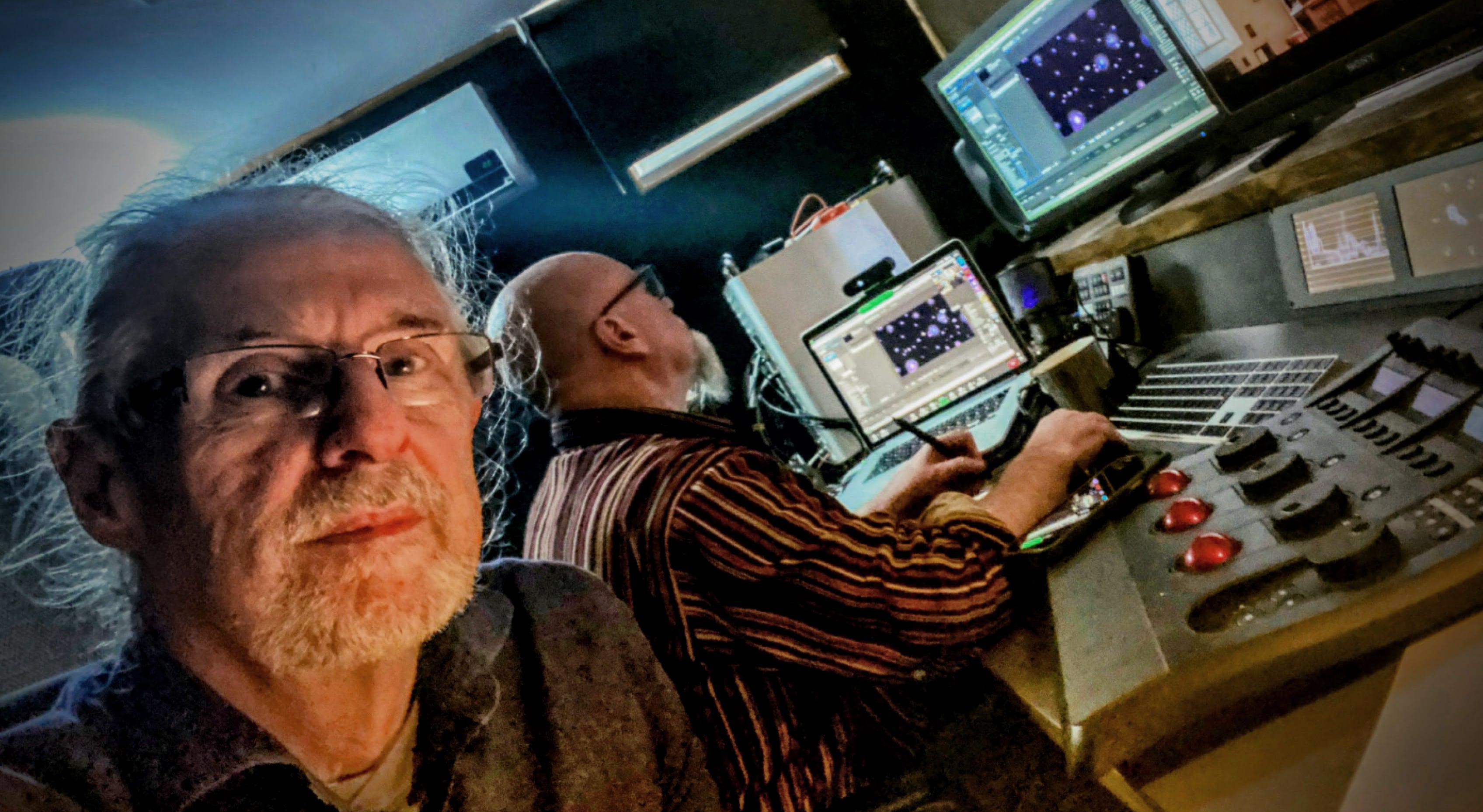 I edit most films unaided but when I have a film to make to the highest standards, I take my cut to an expert for an online polish and grade.