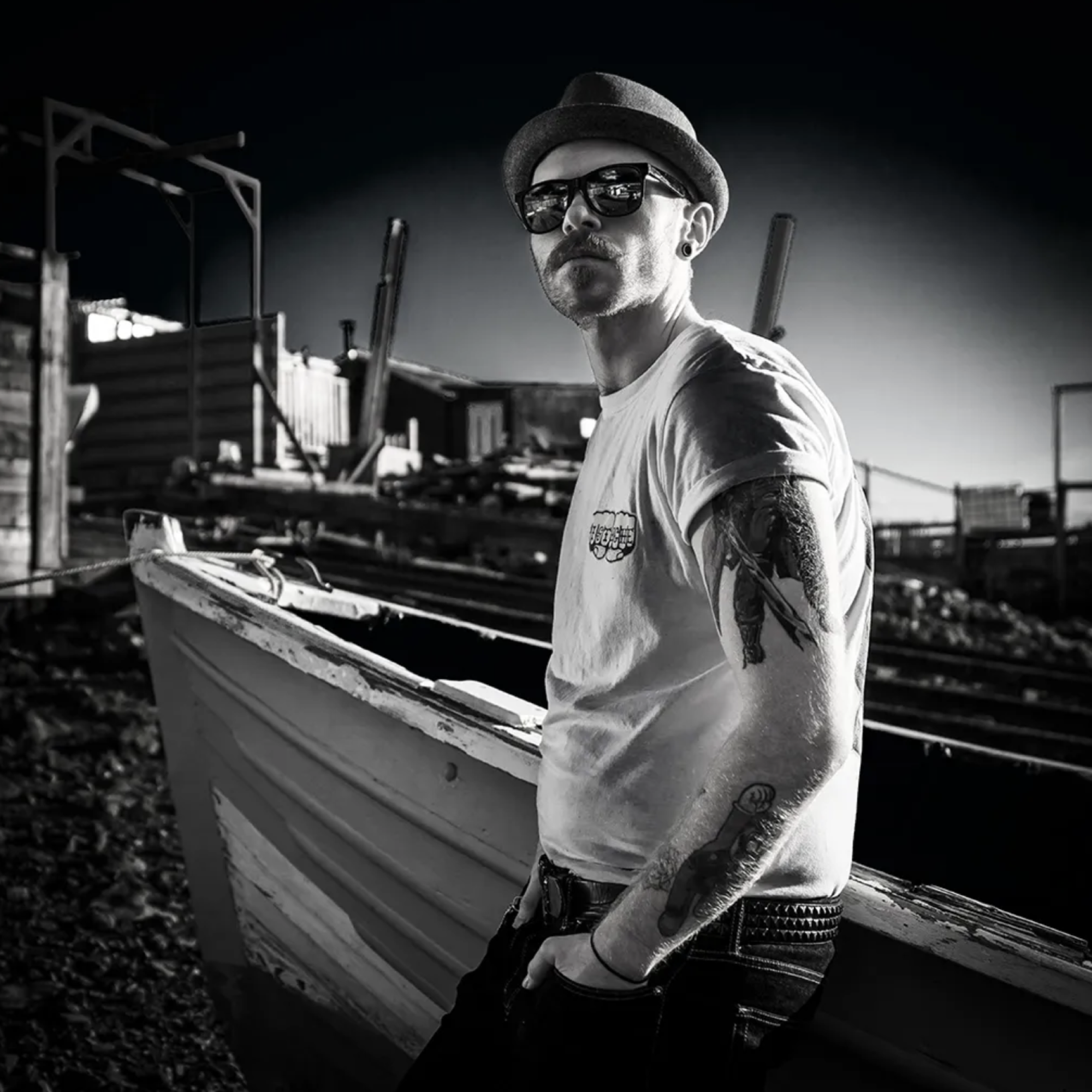
Photography - Creativity & Cameras, Lenses, Lights
I have worked as a Cinematographer, DoP, and Filmmaker in the broadcast TV and corporate sectors for over 30 years.
However, my original training was in advertising photography. I started my career in London, as a Junior Advertising Photographer working on major shoots for British Airways, Daimler Jaguar, Ford, and Peugeot.
People Products Places
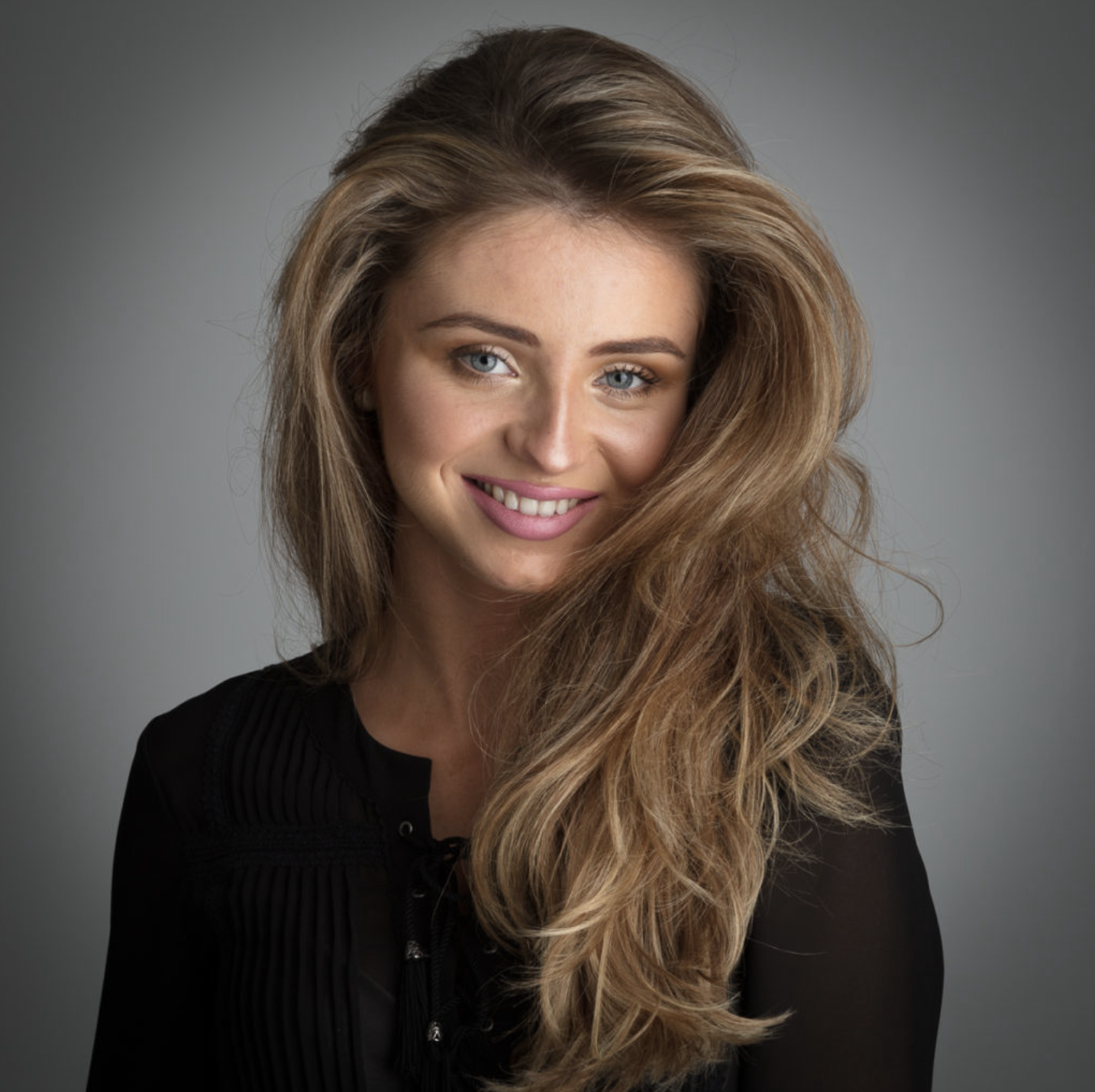
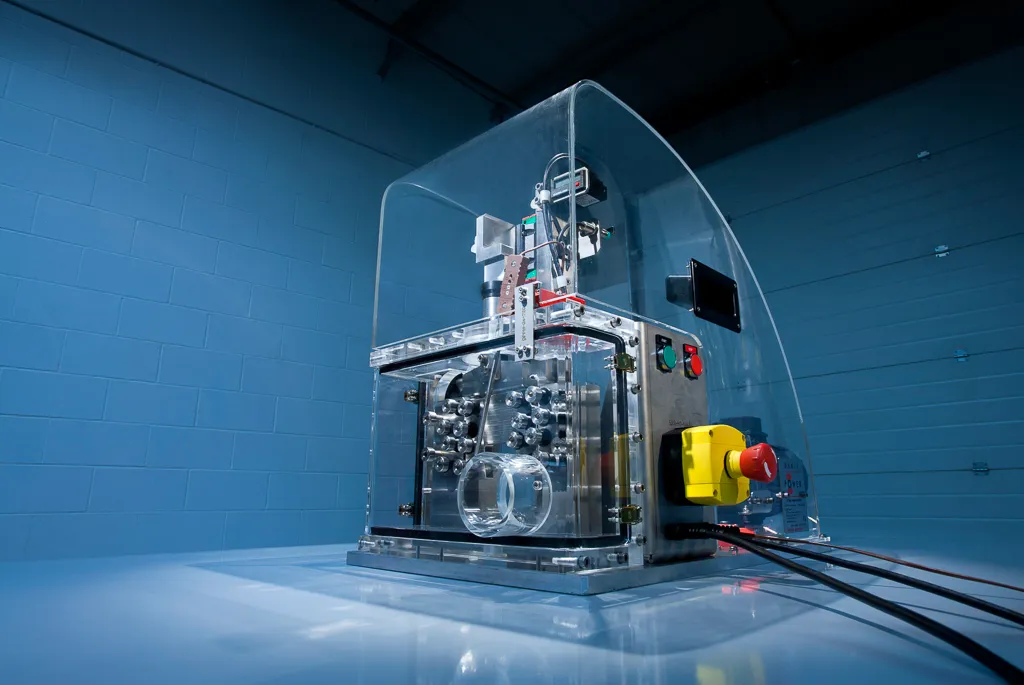
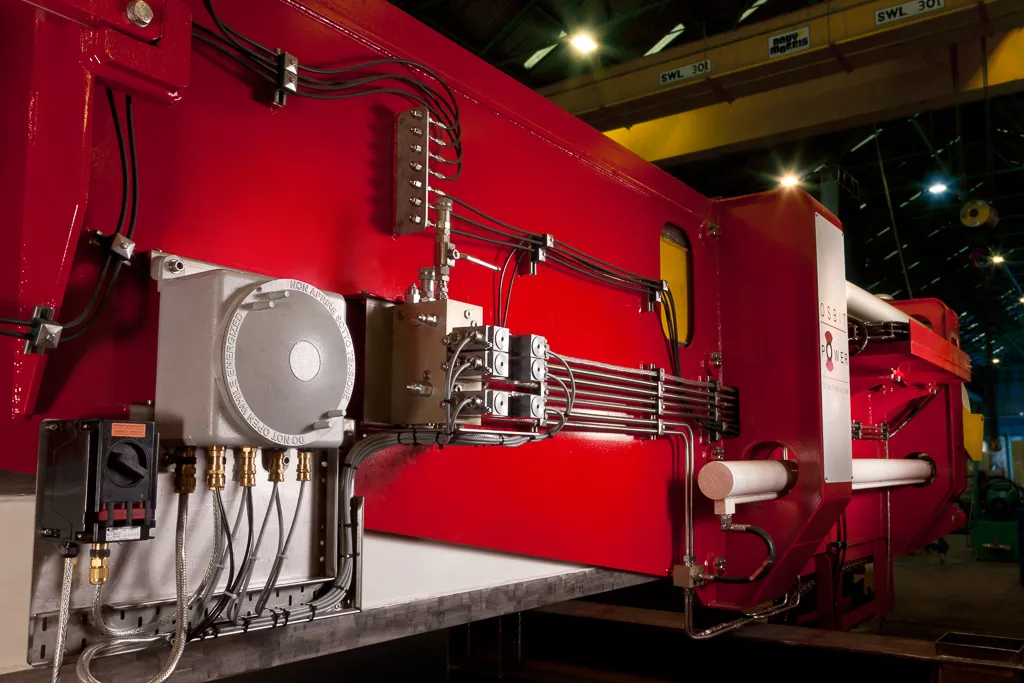
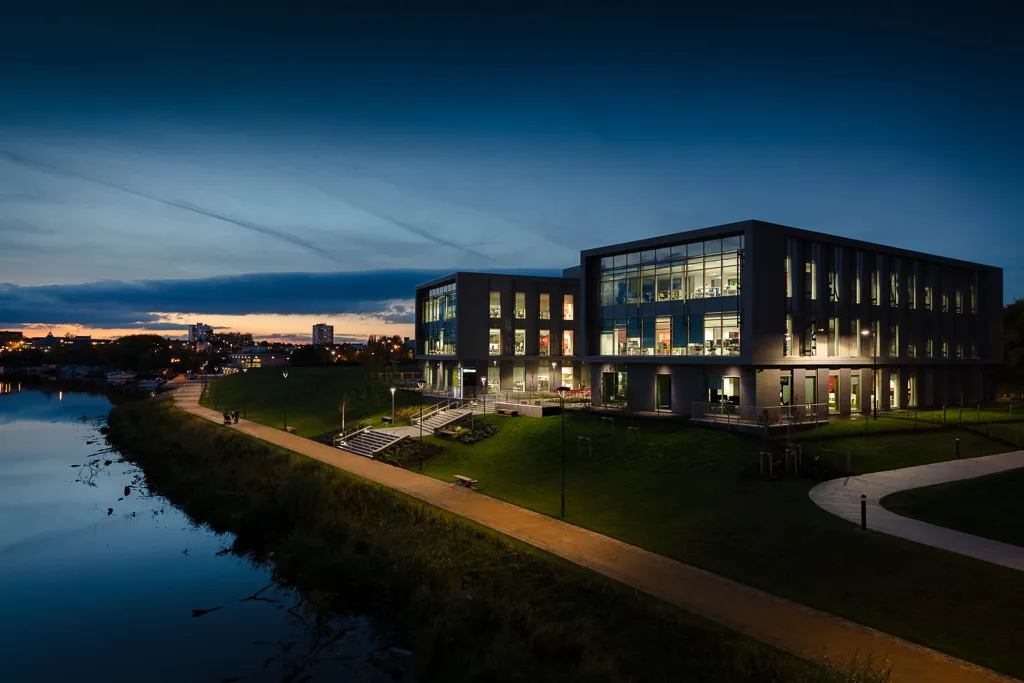
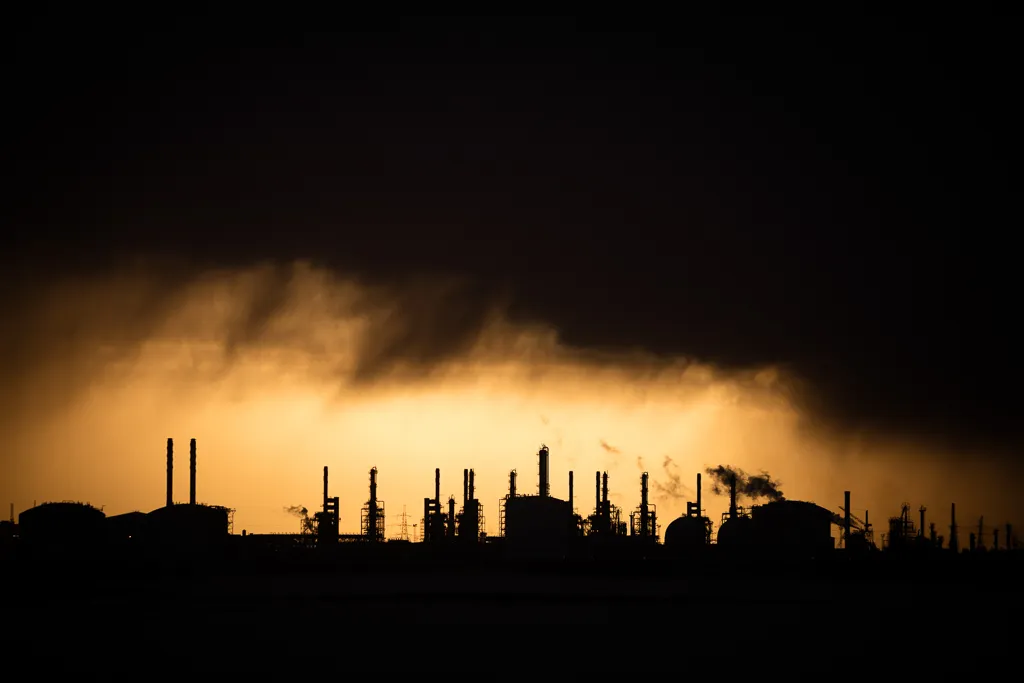
Later, working in the North of England I opened the only exclusively advertising and commercial photography studio in the area, shooting people, products, and places, which allowed me to develop the breadth of my skillset and sharpen it to the highest levels.
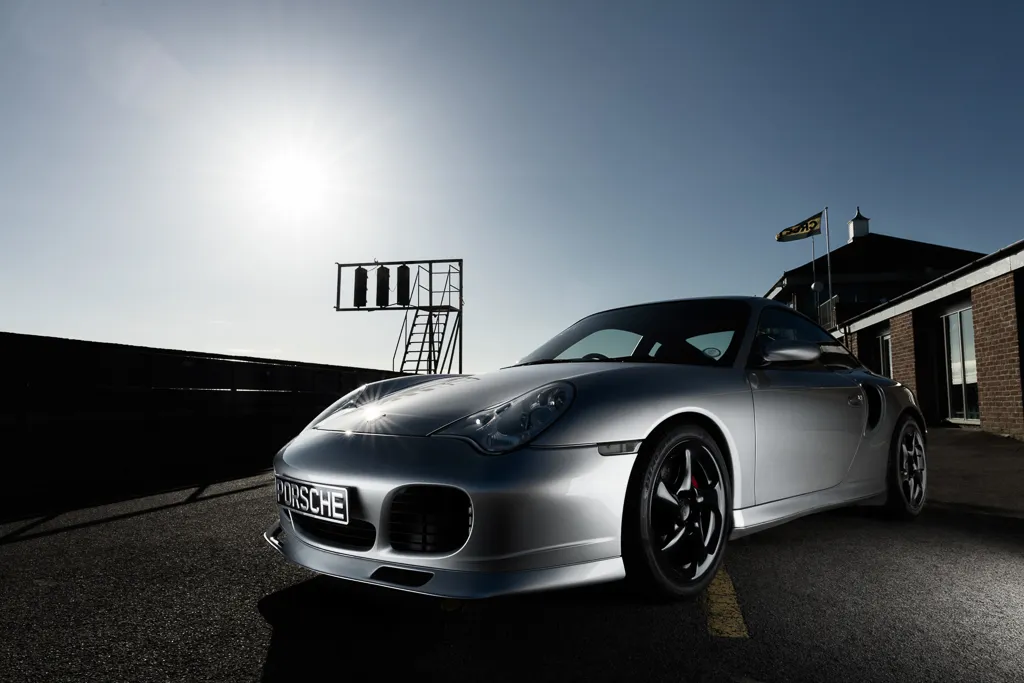
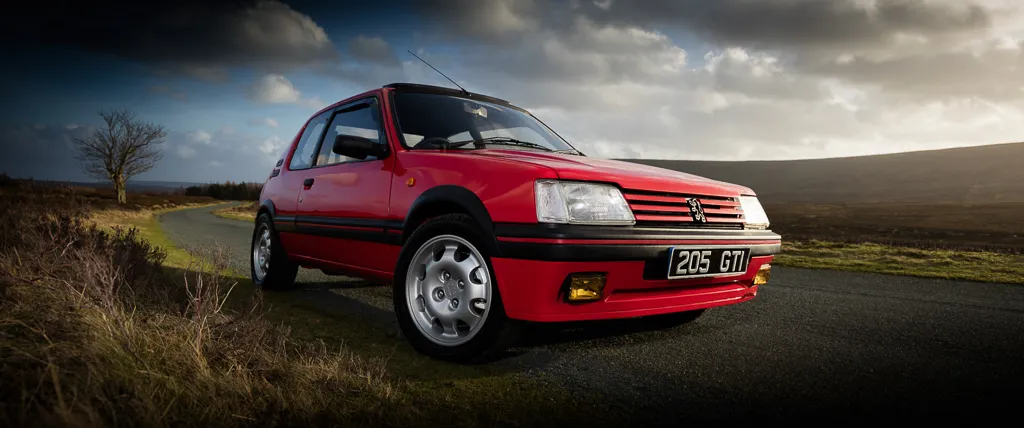
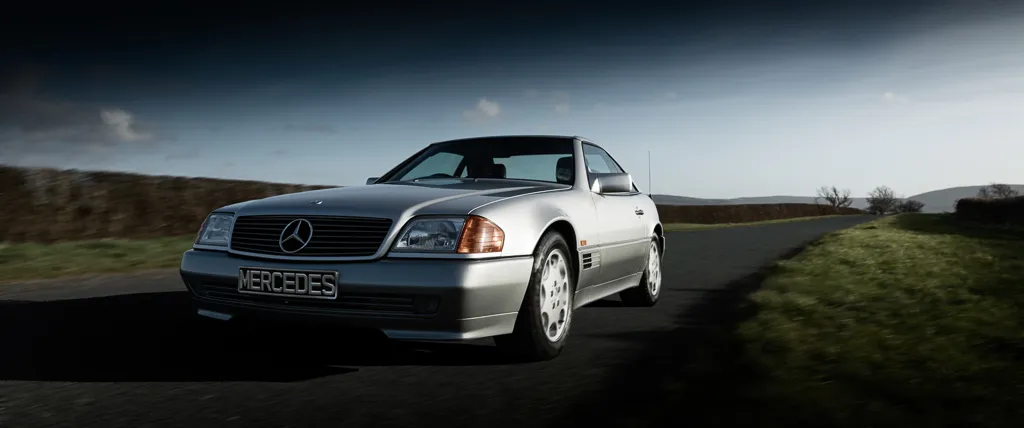
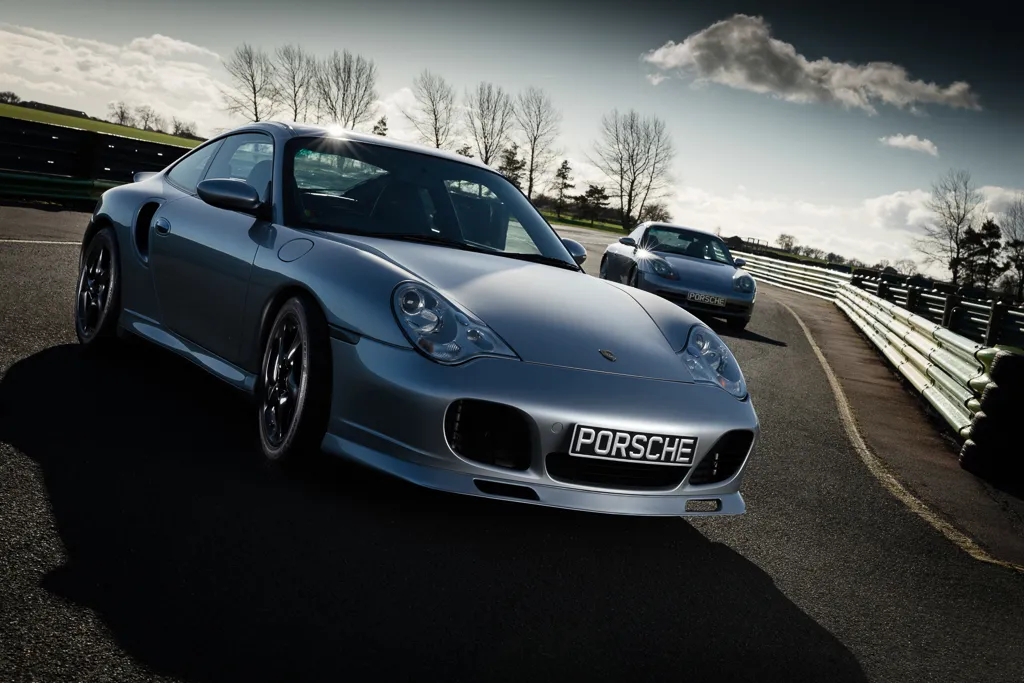
My business has always been based on creativity, and top-tier photographic skills learned over 4 years of full-time art and photography education/training, and developed over the decades of my professional practice.
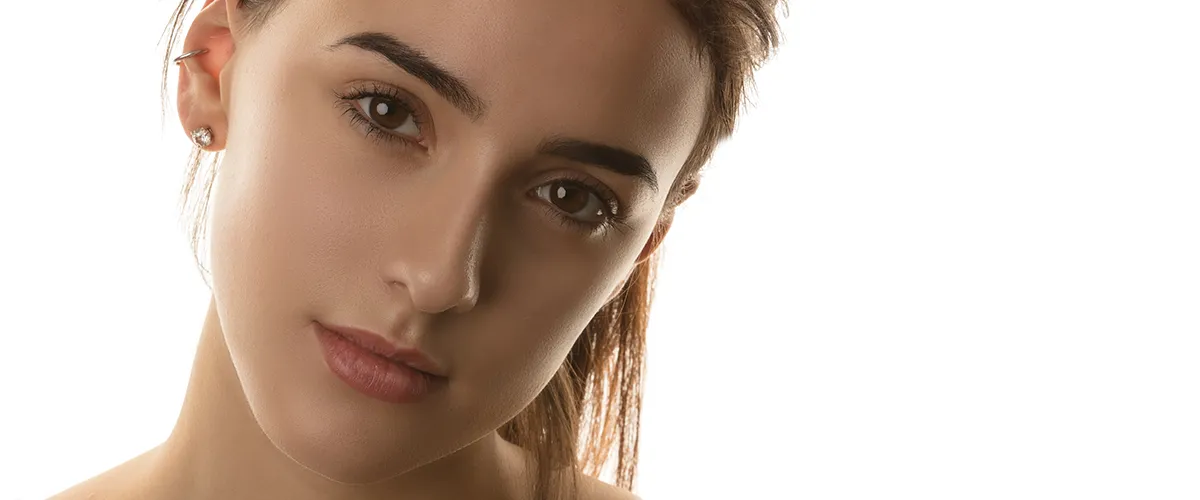
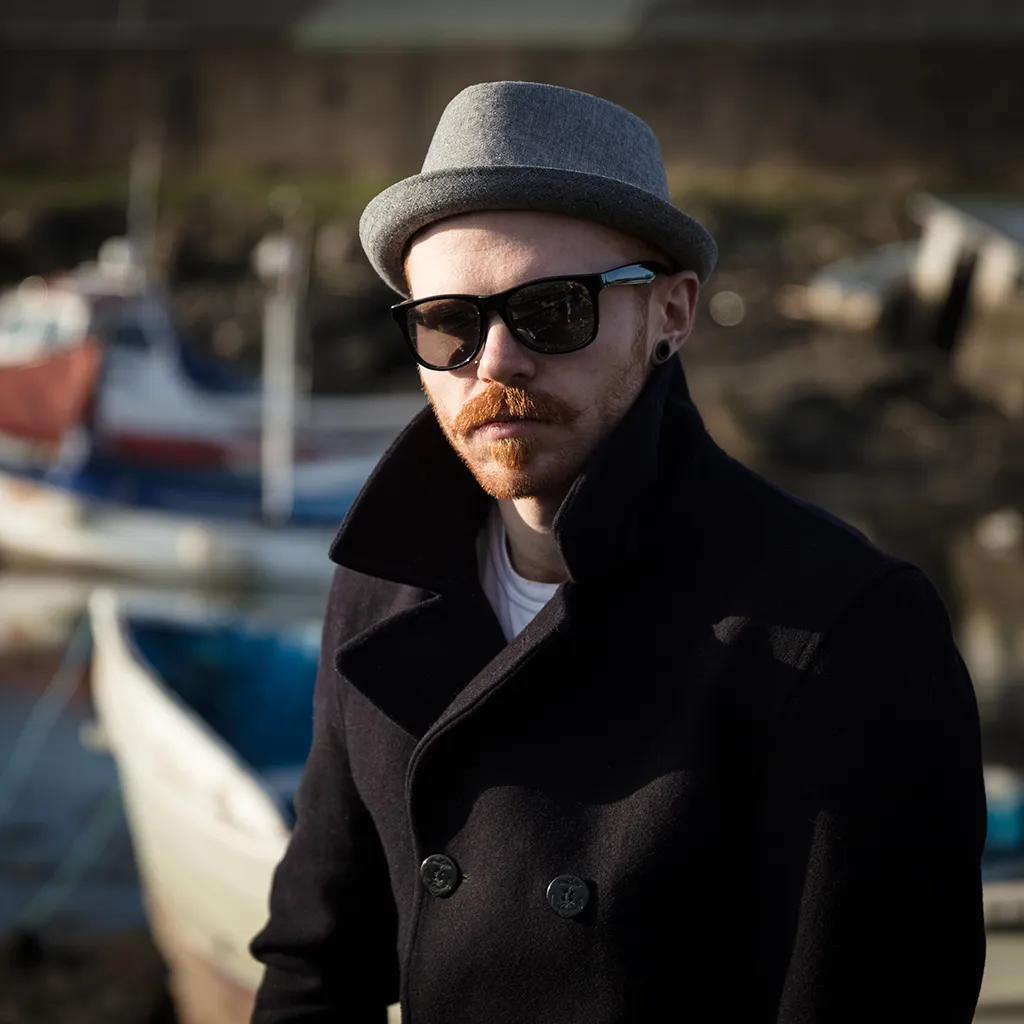
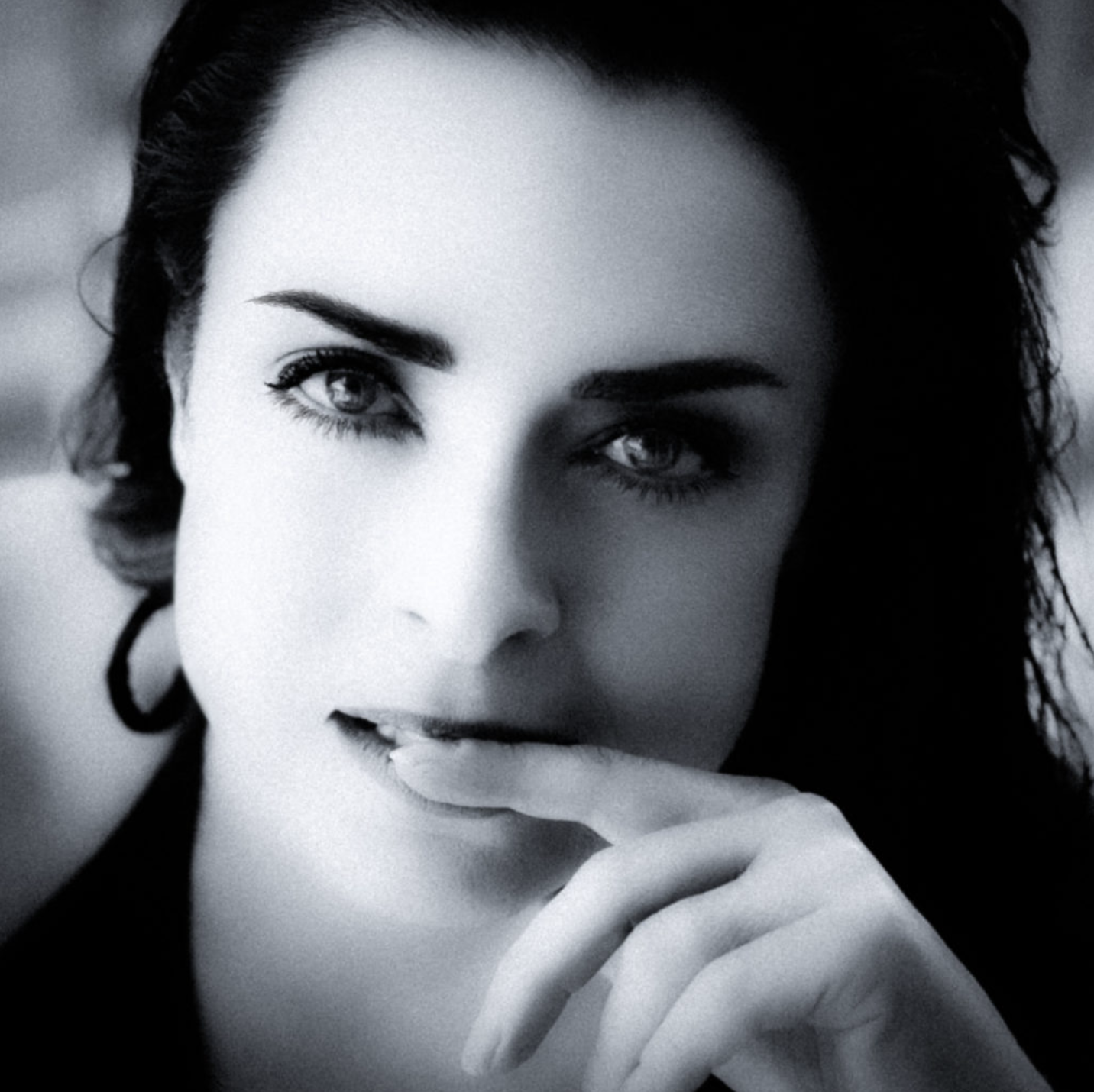
Underpinning all my work has always been my passion for effective and impactful communication, my love of visual aesthetics, and my commitment to technical excellence, the art and craft of visual communication.
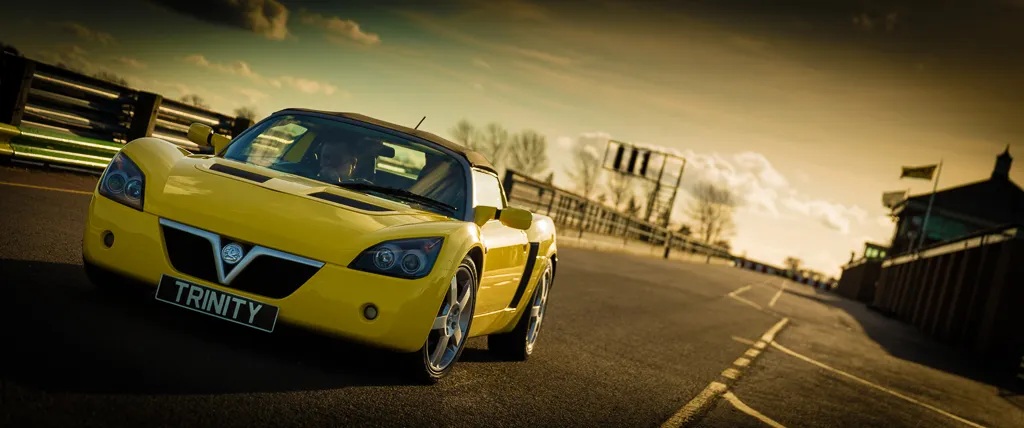
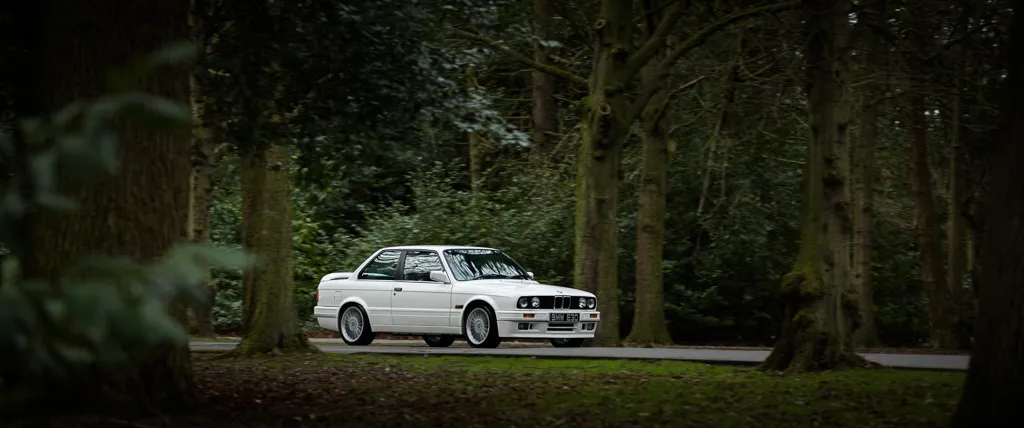
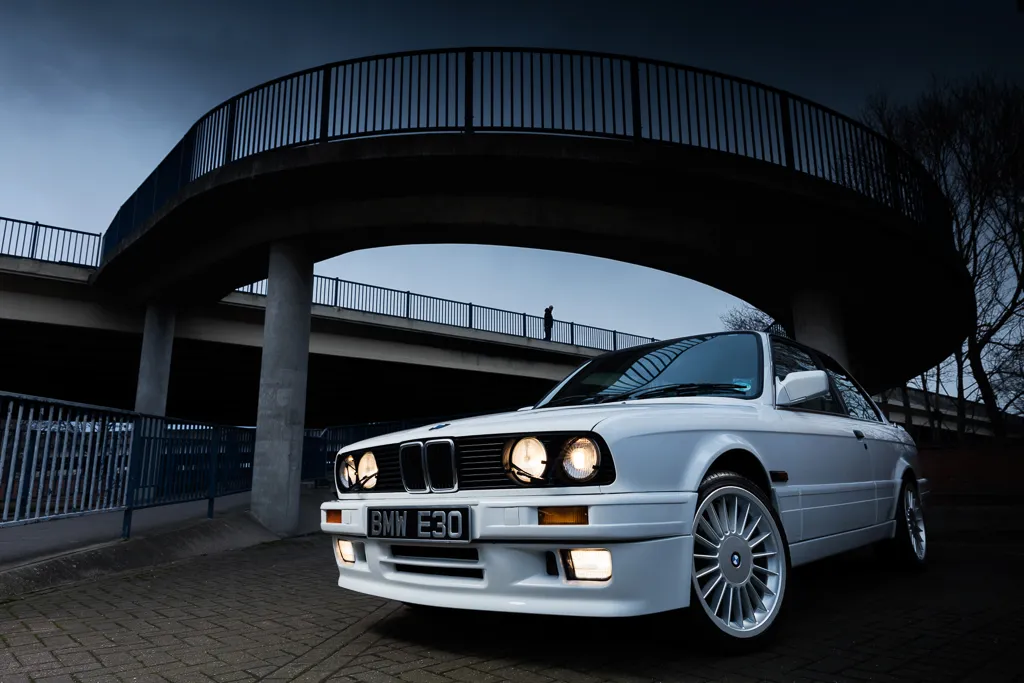
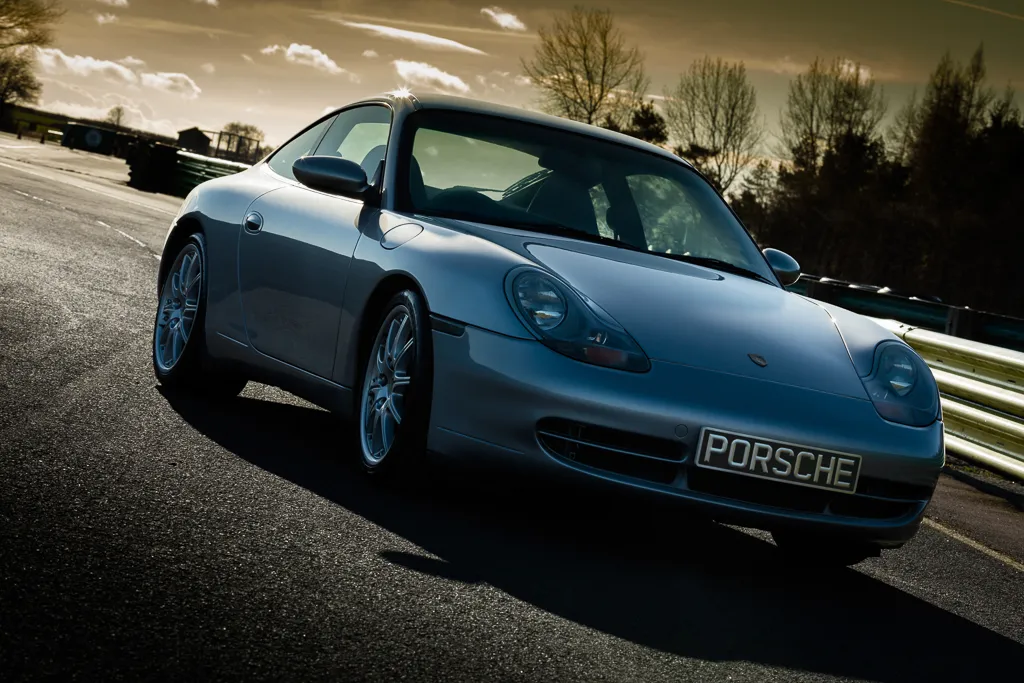
20 years later, after I had pulled my focus to TV and Video Filmmaking, I closed the studio but kept my equipment and continued to undertake location-based still photography. Of course, my new career involves complex camerawork and means my photography skills are kept razor-sharp.
Studio Photography - On Location
So, I was thrilled when Ian Jarvis, called. He has done very well for himself since he became my first Trainee Photographer when he was 18. After a few years in photography, he switched industries and is now the General Manager of two Skoda car dealerships. One of his contacts, Simon, the MD of Carbis Filtration, a local firm specialising in designing and manufacturing industrial filters, needed some products photographed. Could I help?
I was delighted. Getting back to my roots in advertising and product photography would be wonderful. Variety is the spice of life, after all.
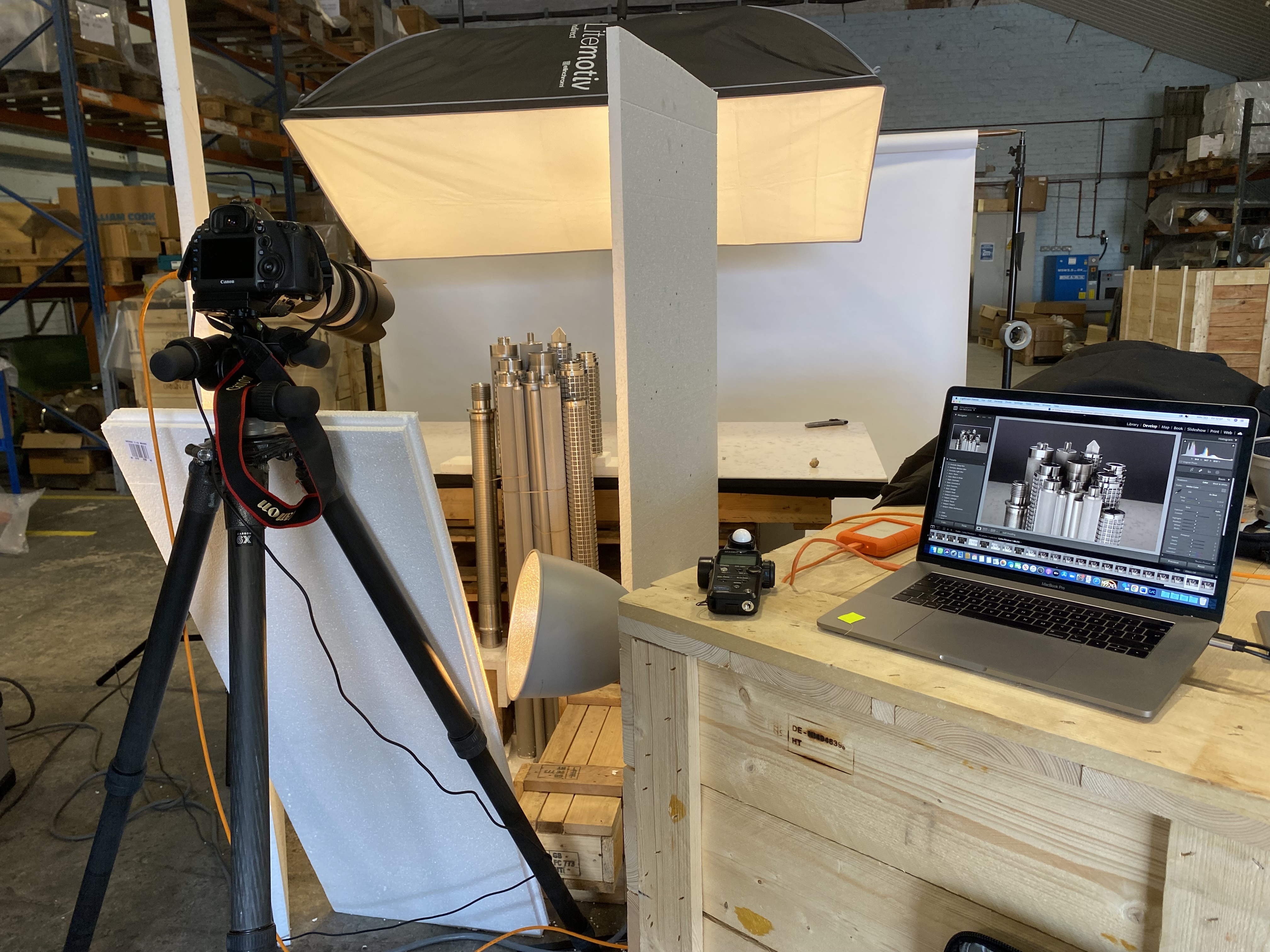
I met Simon. He wanted an ultra-high-quality photograph of some filters for an exhibition stand. I was shown the products to be captured in one picture. I suggested shooting on a white marble surface, which Simon said he would provide, and it was agreed I would use some space in the workshop, next to his office, as my studio.
The products were all stainless steel, so the photography would need total control of the light, and high-level skills. Excellent! Precisely my kind of work. Challenge accepted.
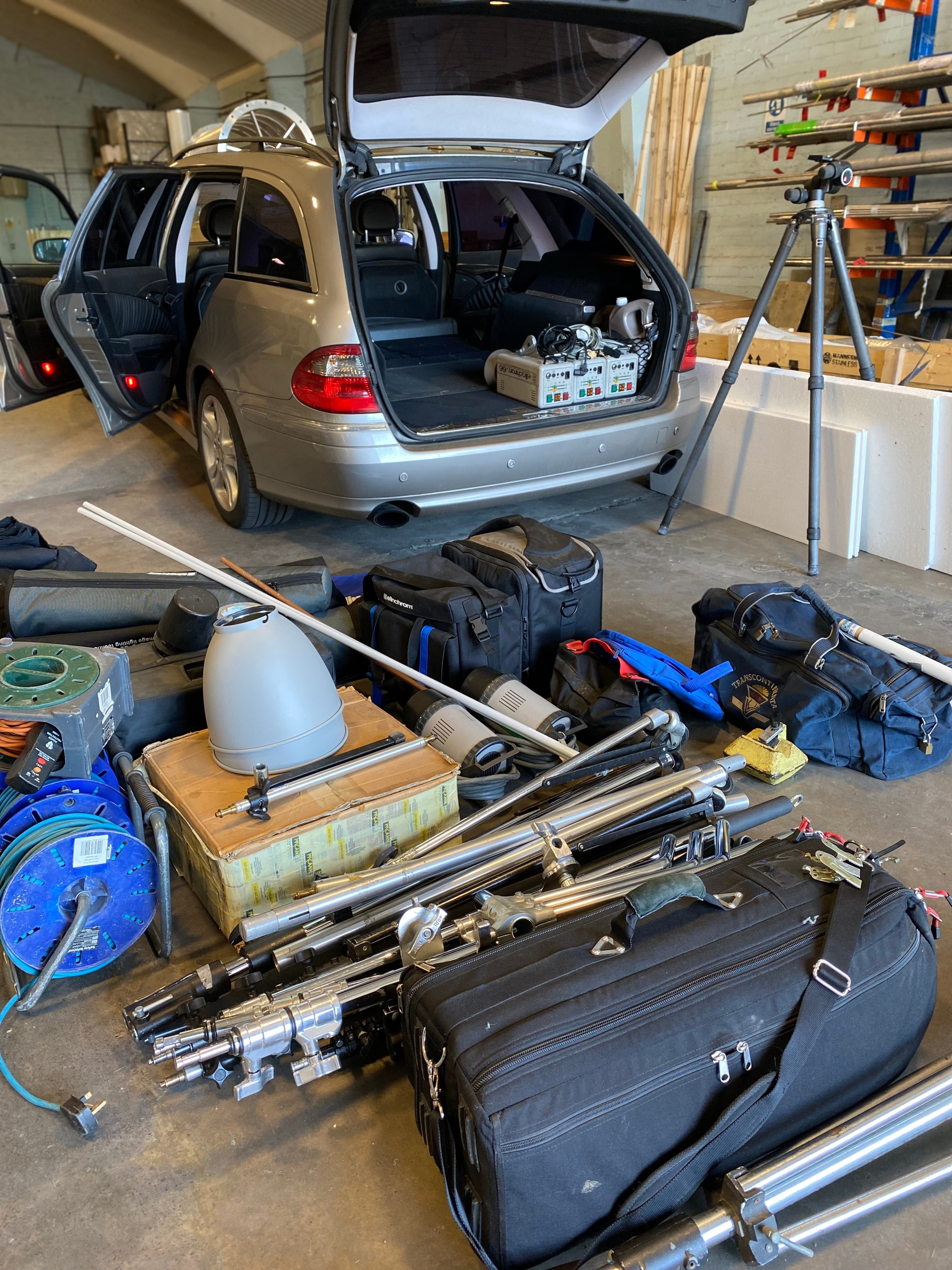 So, the day before the shoot, I delivered the equipment to construct a temporary studio in the workshop.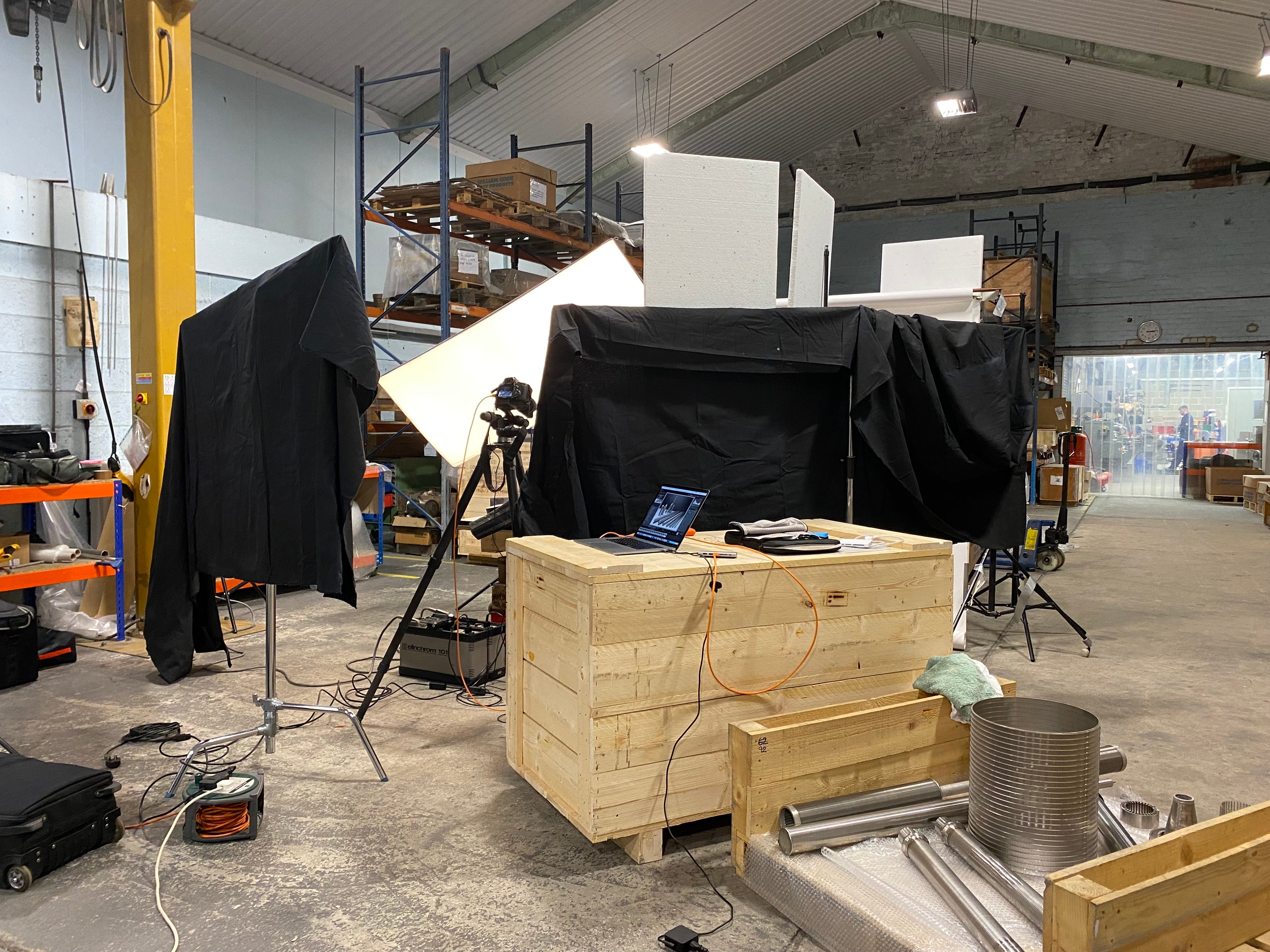
Being based in the workshop was ideal. The products were all to hand, all daylight could be eliminated, the working lights could be on or off at my discretion, there was plenty of space, one of the workers was assigned to assist me, and Simon would be available whenever I might need to show him what I was doing, and to sign off my work.
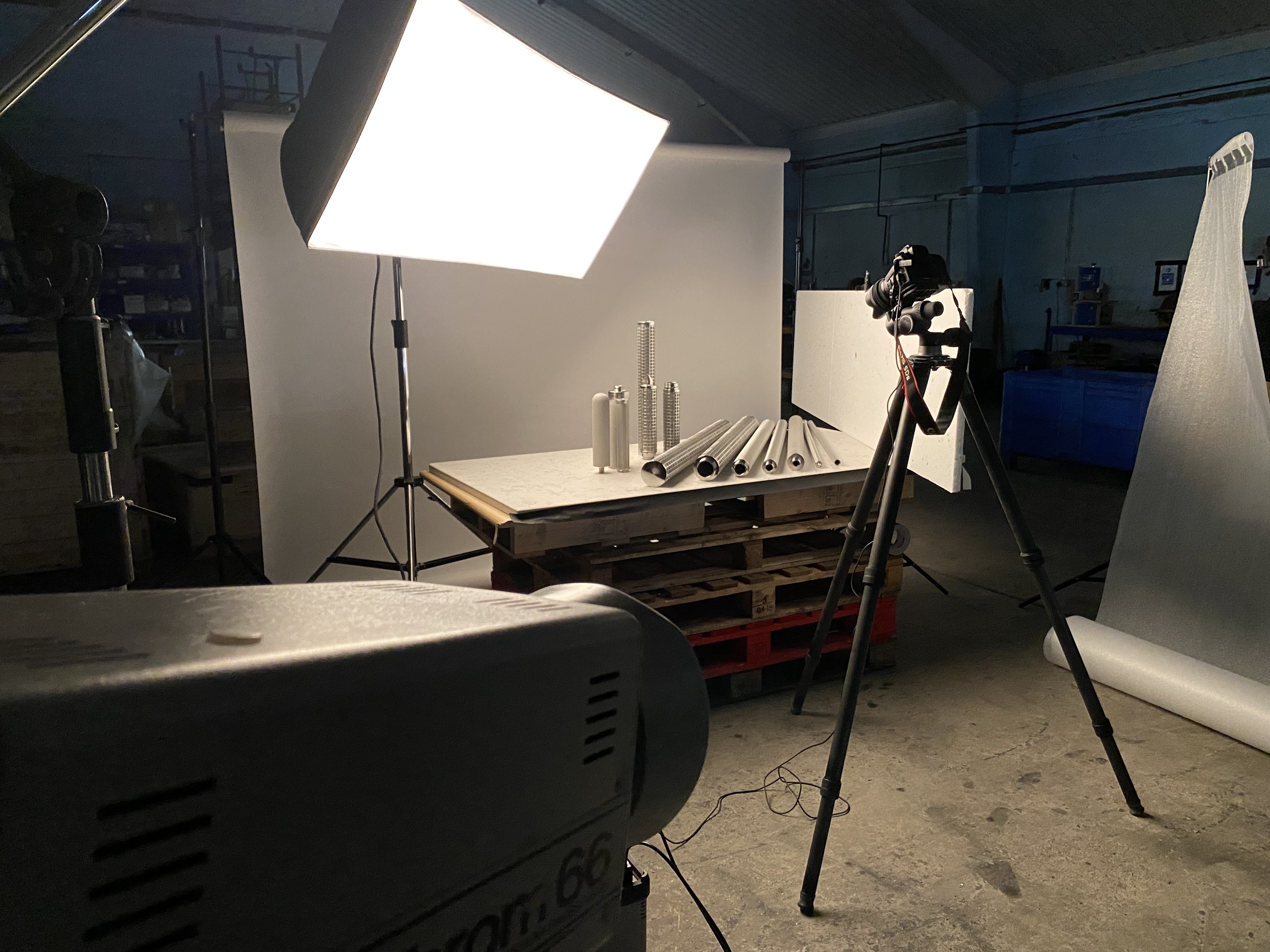
Perfecting a one-off product photograph, or the first in a series of related photographs, is usually a slow process, as unique shoot-specific, issues have to be addressed and overcome. This is particularly true with highly reflective subjects. They require meticulous care and absolute control. Reflections of studio equipment, walls and ceilings, product imperfections, and even fingerprints must be avoided.
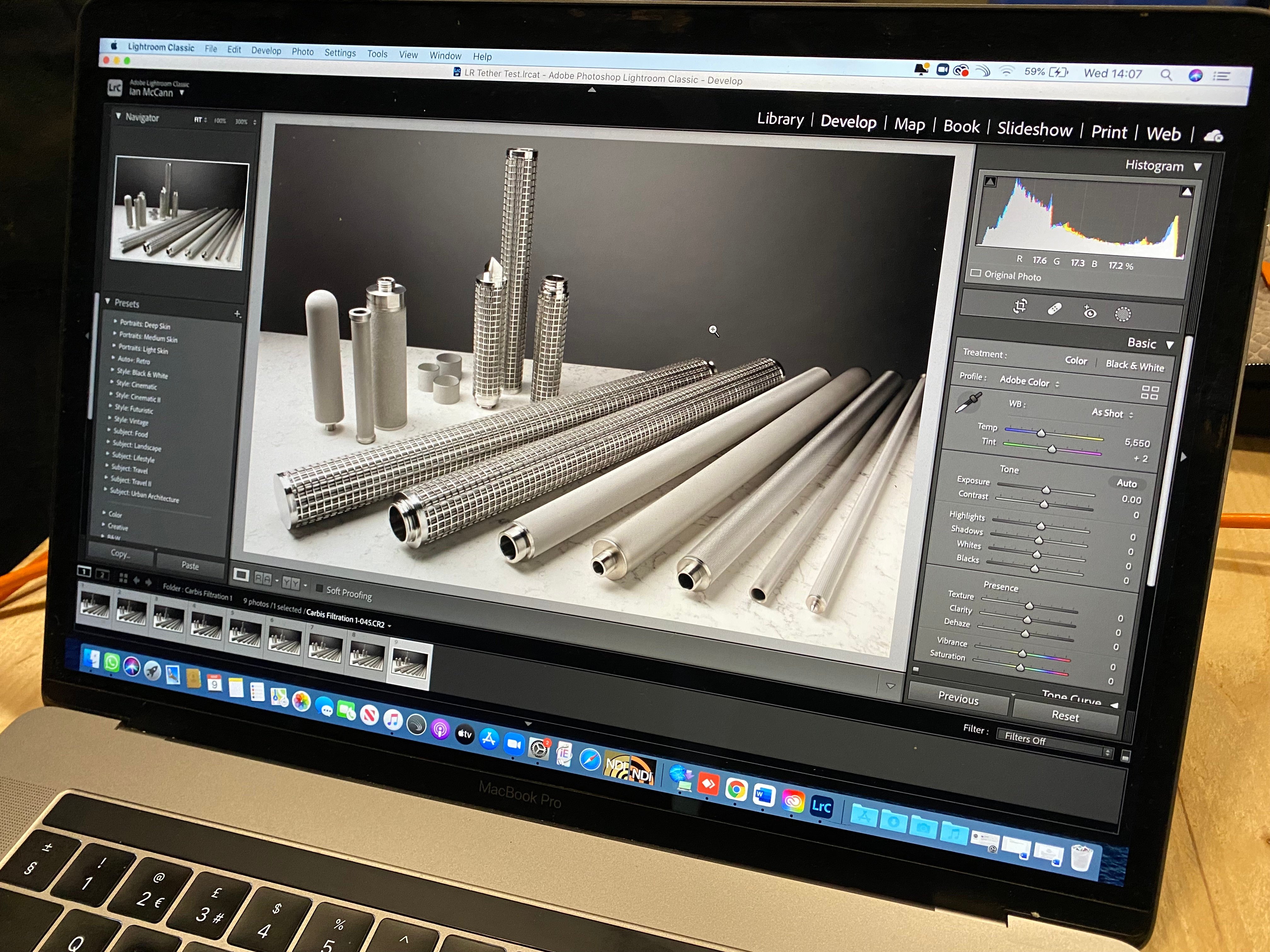
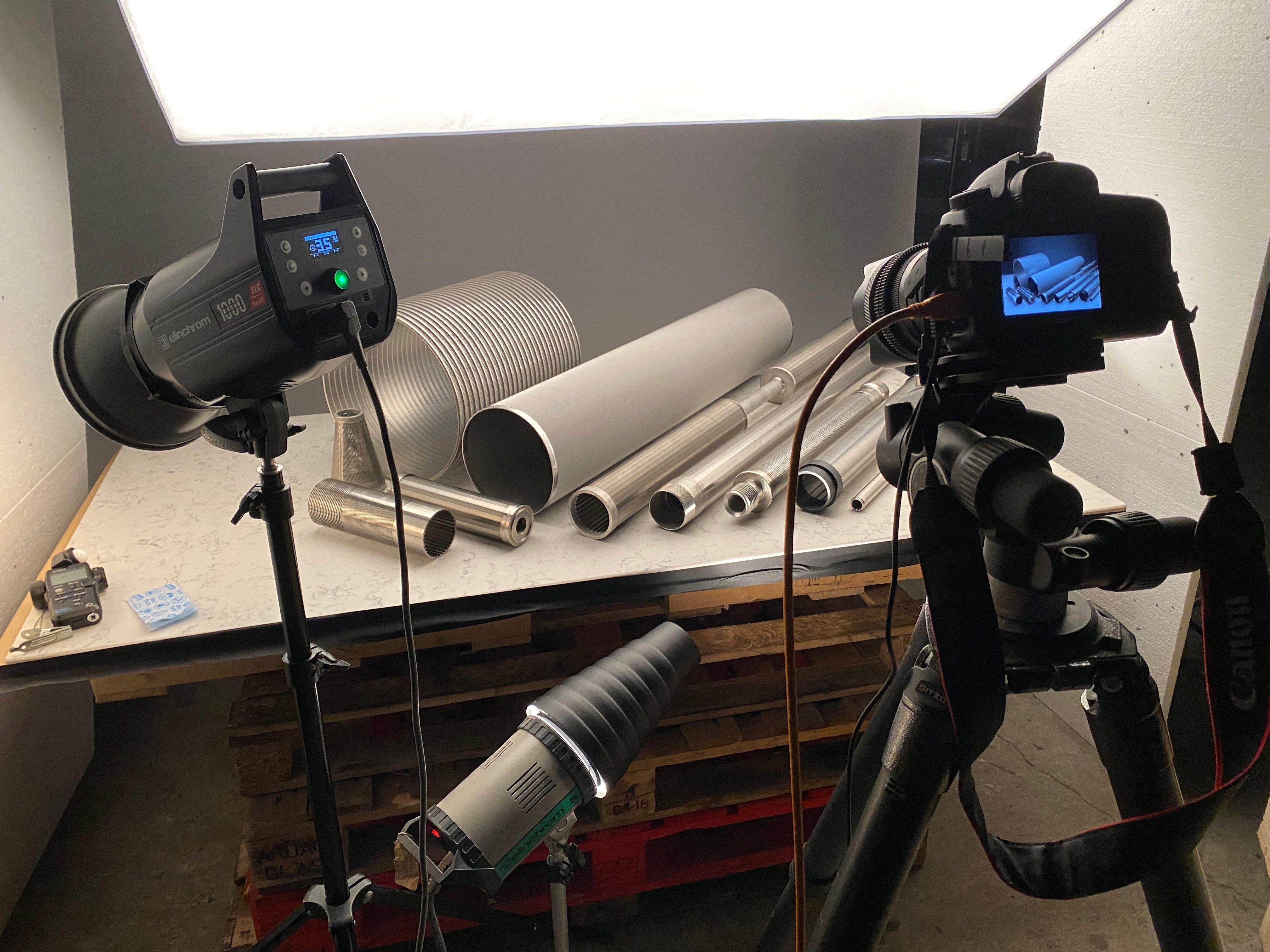
With a variety of very different sized elements in a single picture giving smaller and larger items the appropriate visual weighting is an important part of the art and so it was with this photograph. Each item has to have the right level of emphasis within the group and look good but the composition of the group as a whole also has to be aesthetically successful. Then there is the question of how to light the group. Highly reflective subjects are generically known as silverware. Such subjects need large light sources, usually rectangular softboxes and reflectors, and then black flags to define the subjects' 3D form.
By late afternoon, the picture was finished, approved, and ready for editing, scheduled for early the following week. Of course, with studio photography, the need for editing can be greatly reduced, as many things can be controlled with great attention to detail applied before the shutter is triggered.
Simon loved the shot and asked if I was free tomorrow to shoot an extra couple of photographs.
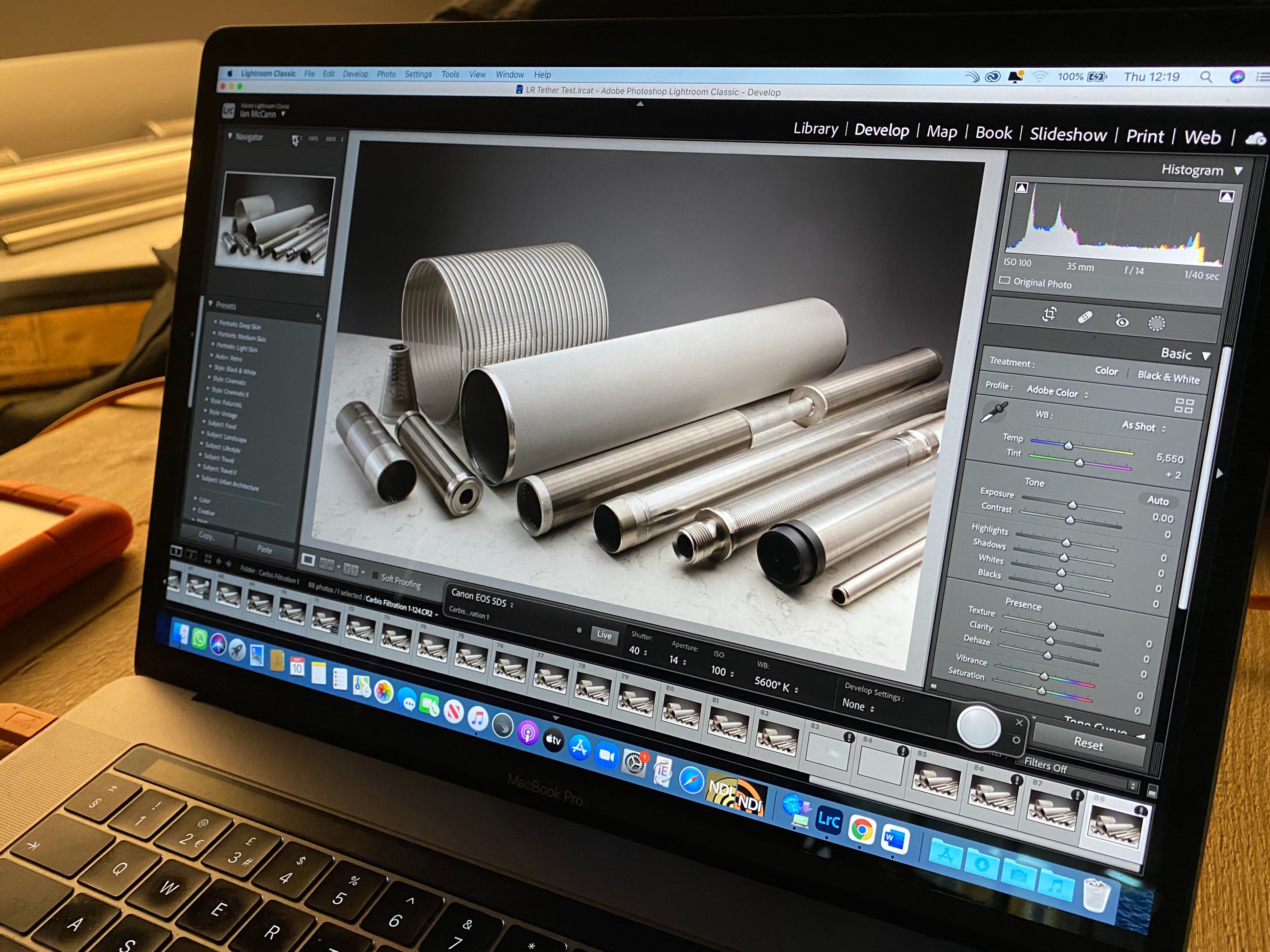
 These photographs were to be presented side by side, so I paid particular attention to the horizon's position, ensuring it was perfectly horizontal and exactly the same distance from the top and bottom of the picture in every case.
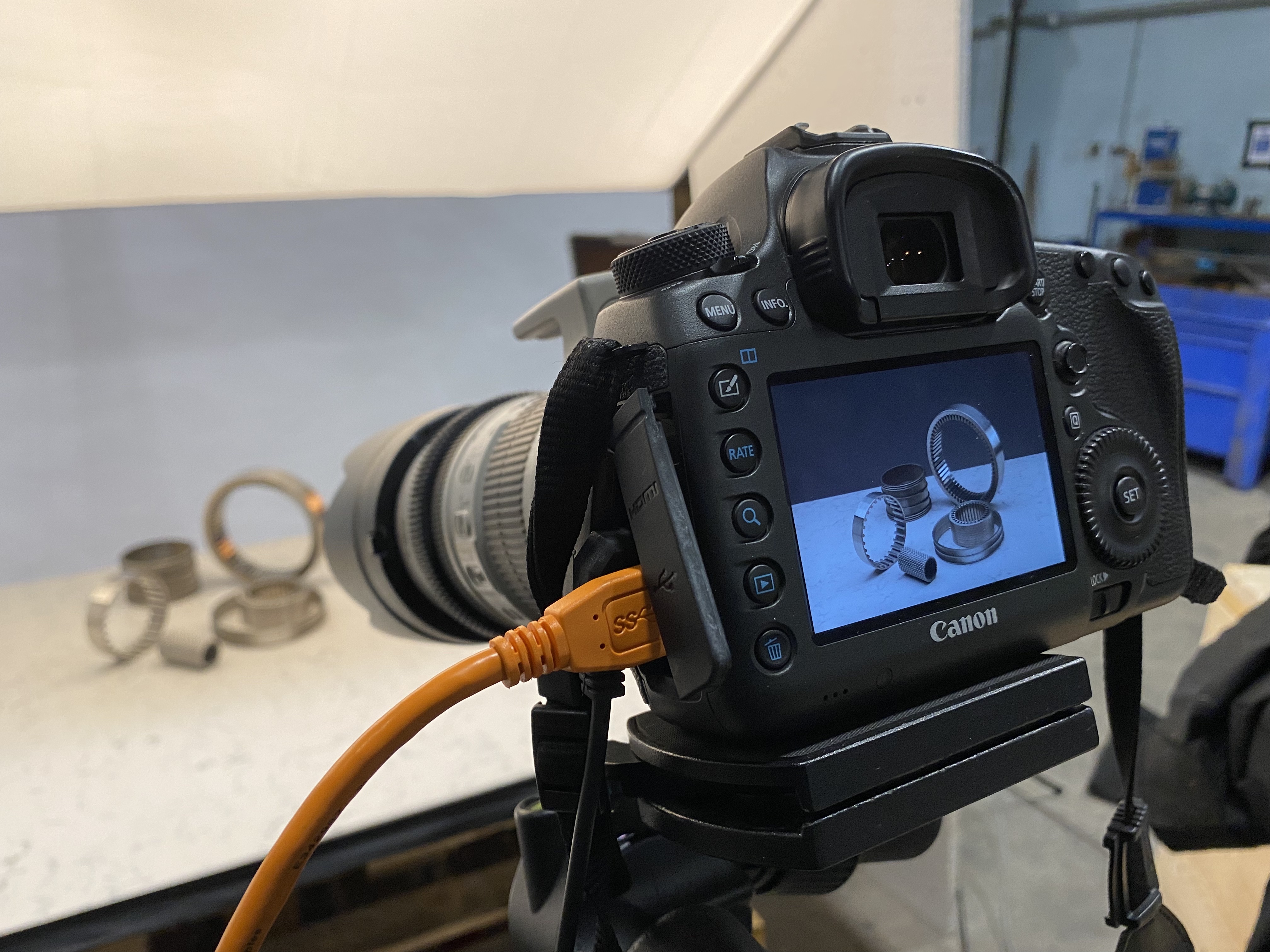
Again, Simon was delighted and asked if I could make one final photograph. I considered the subject matter, the end fittings, and the connectors on a selection of filters. I explained this shot would require a rather different approach. Siman was cool with my ideas and so I returned the following day to shoot this last picture.
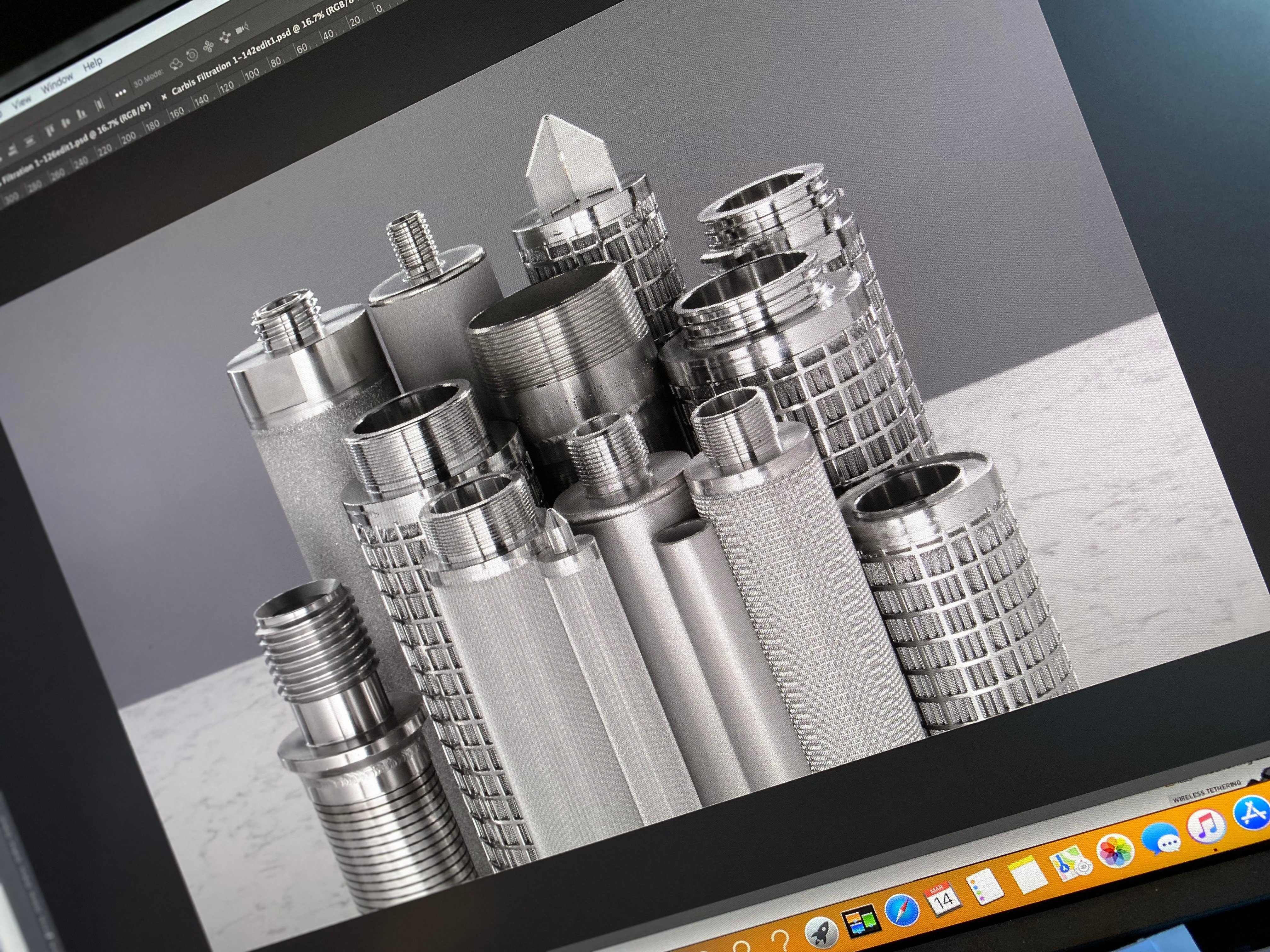
This was challenging as the filters were all different lengths, so needed to be positioned on individual supports of various thicknesses to set the tops so they looked good in the composition, while assembling the group this was a very wobbly collection, so great care was needed to avoid a collapse. Thank goodness I had my assistant who was invaluable.
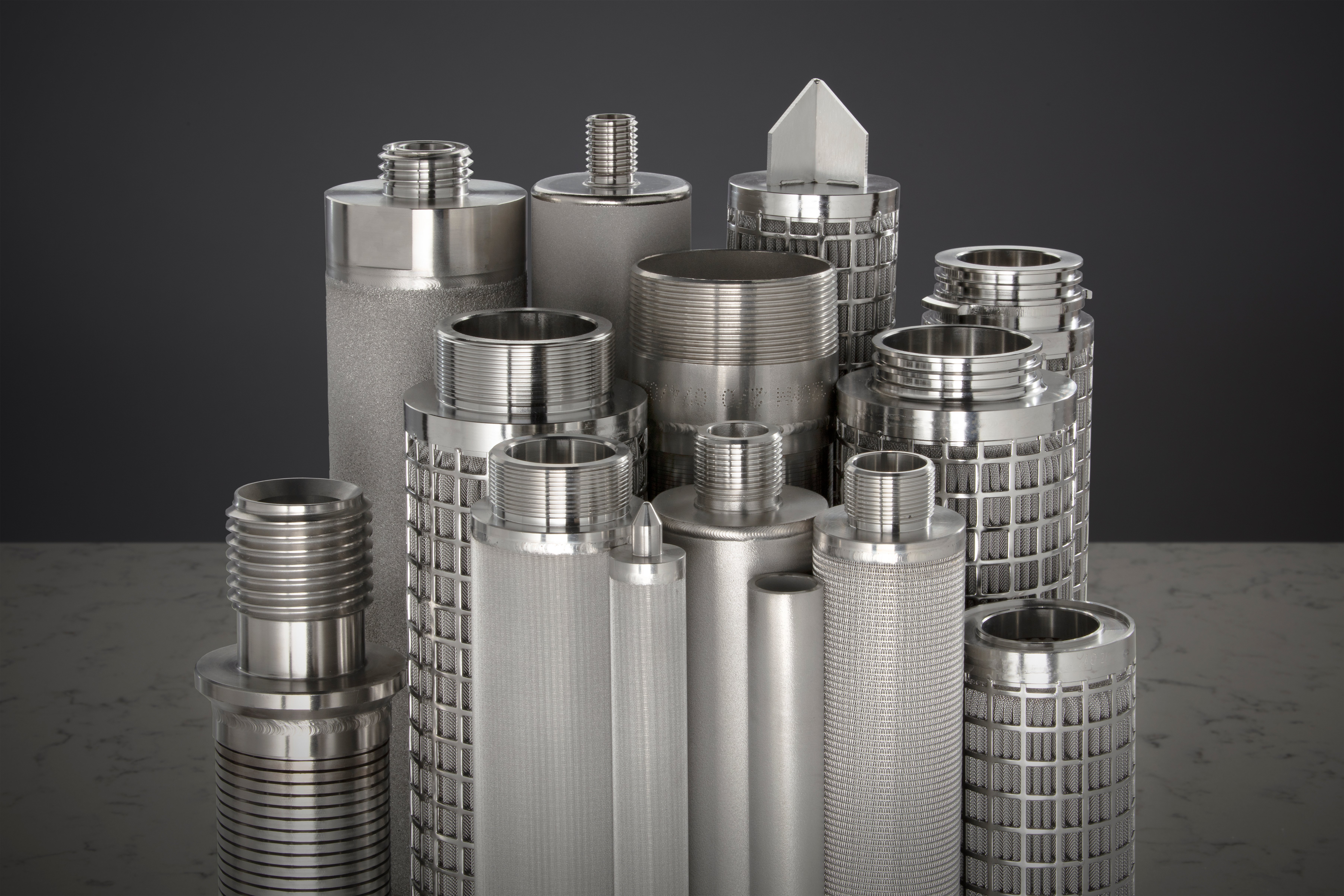 Then for the all-important editing where the products' surface imperfections are removed and the final creative image adjustments are implemented to realise the original vision and give it some extra pzazz.
Fire Test
My next photography assignment would be much less controlled and the shoot would last no more than a few minutes.
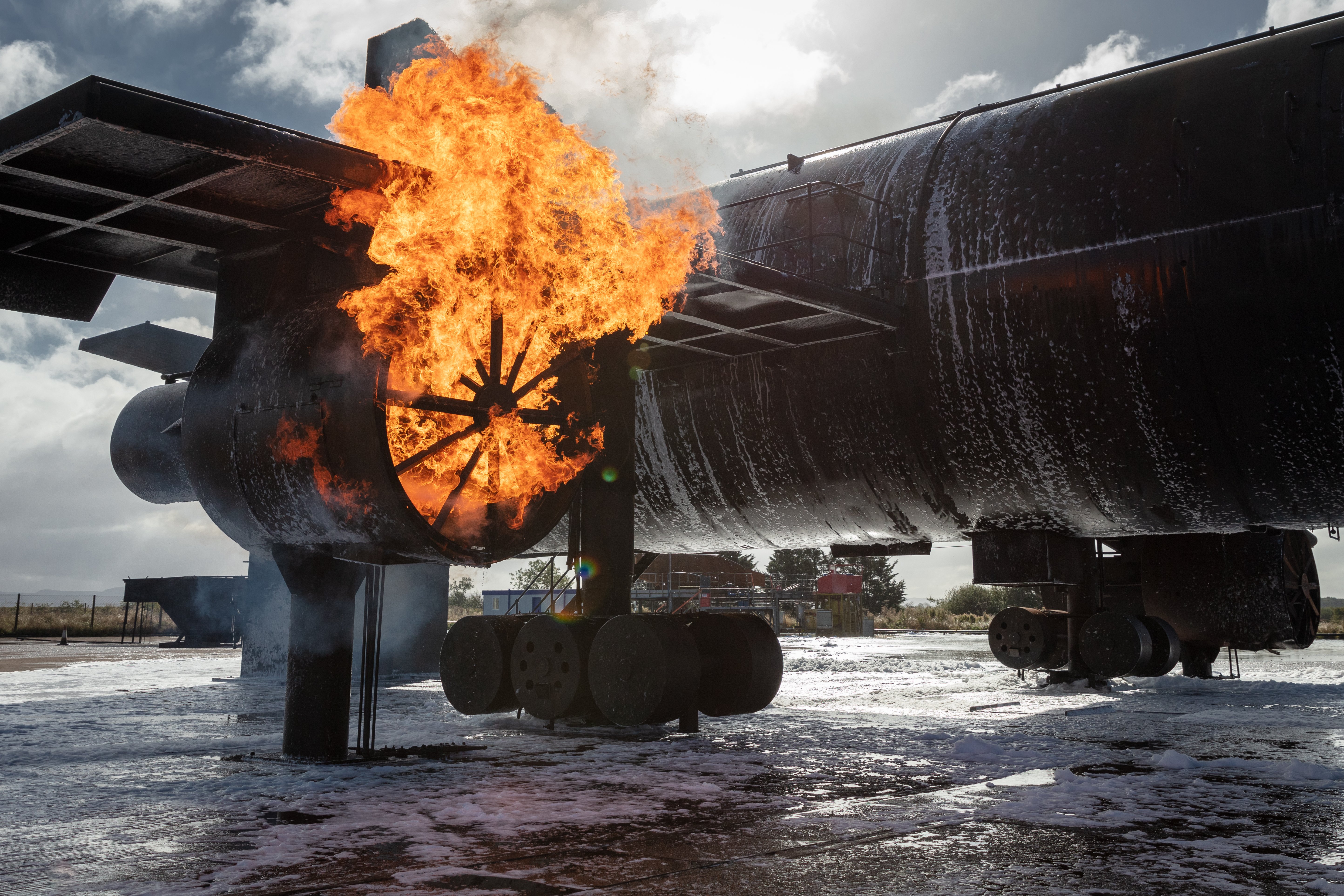
Johnson Controls, an American Corporation was launching a new fire-extinguishing foam for use in aircraft firefighting and they wanted photographs of the experts at Teesside International Airport Firefighting Centre testing the foam on an airliner fire.
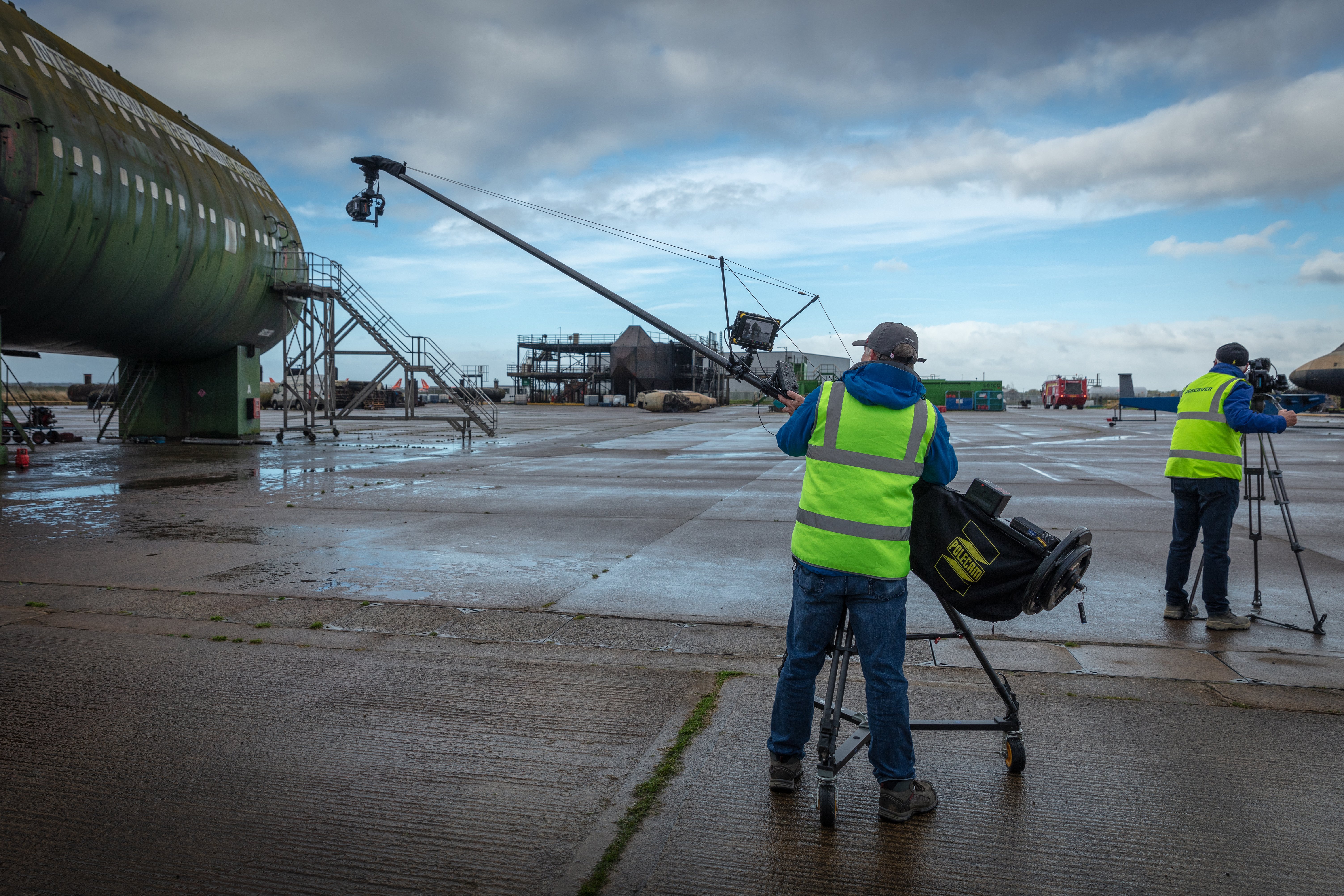
There was a film crew making a video at the same time, which meant I could not use flash/strobe lights.
The foam was a new product, and they were keen to show just how effective it is.
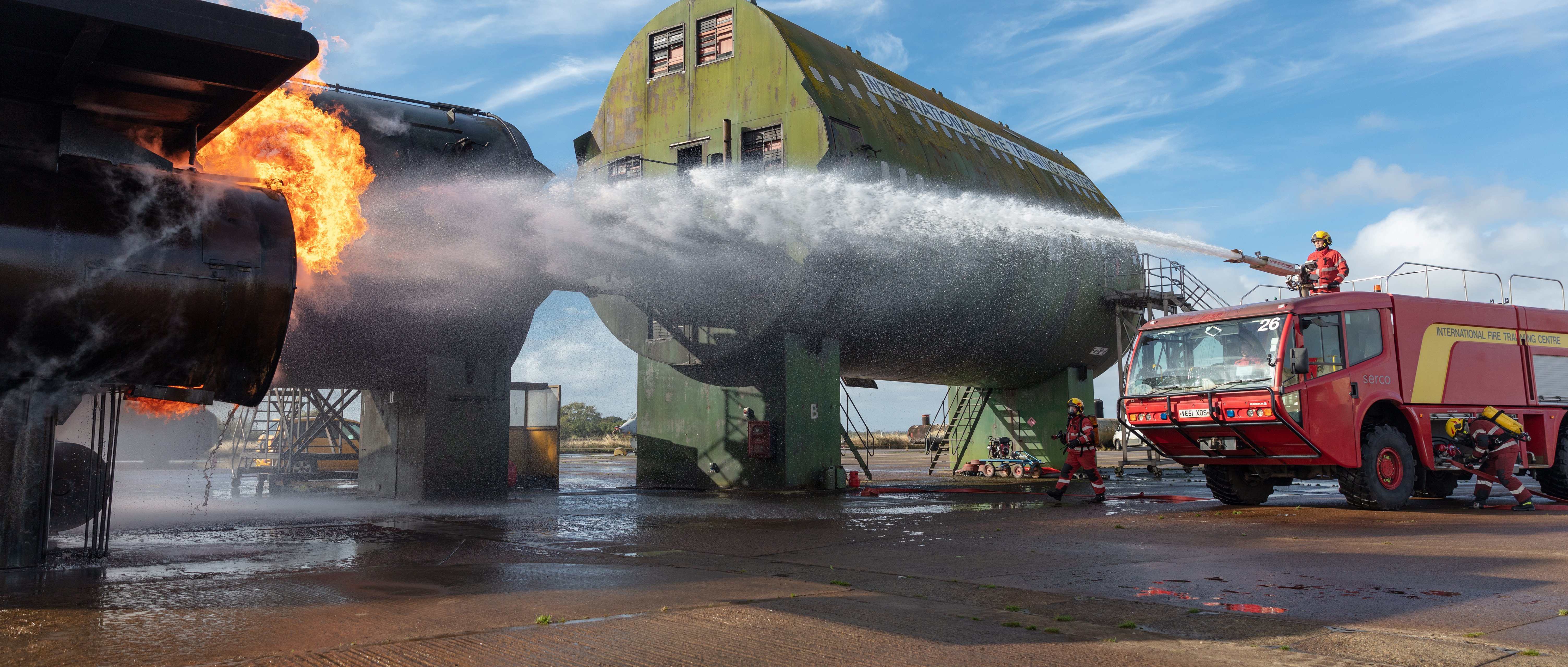
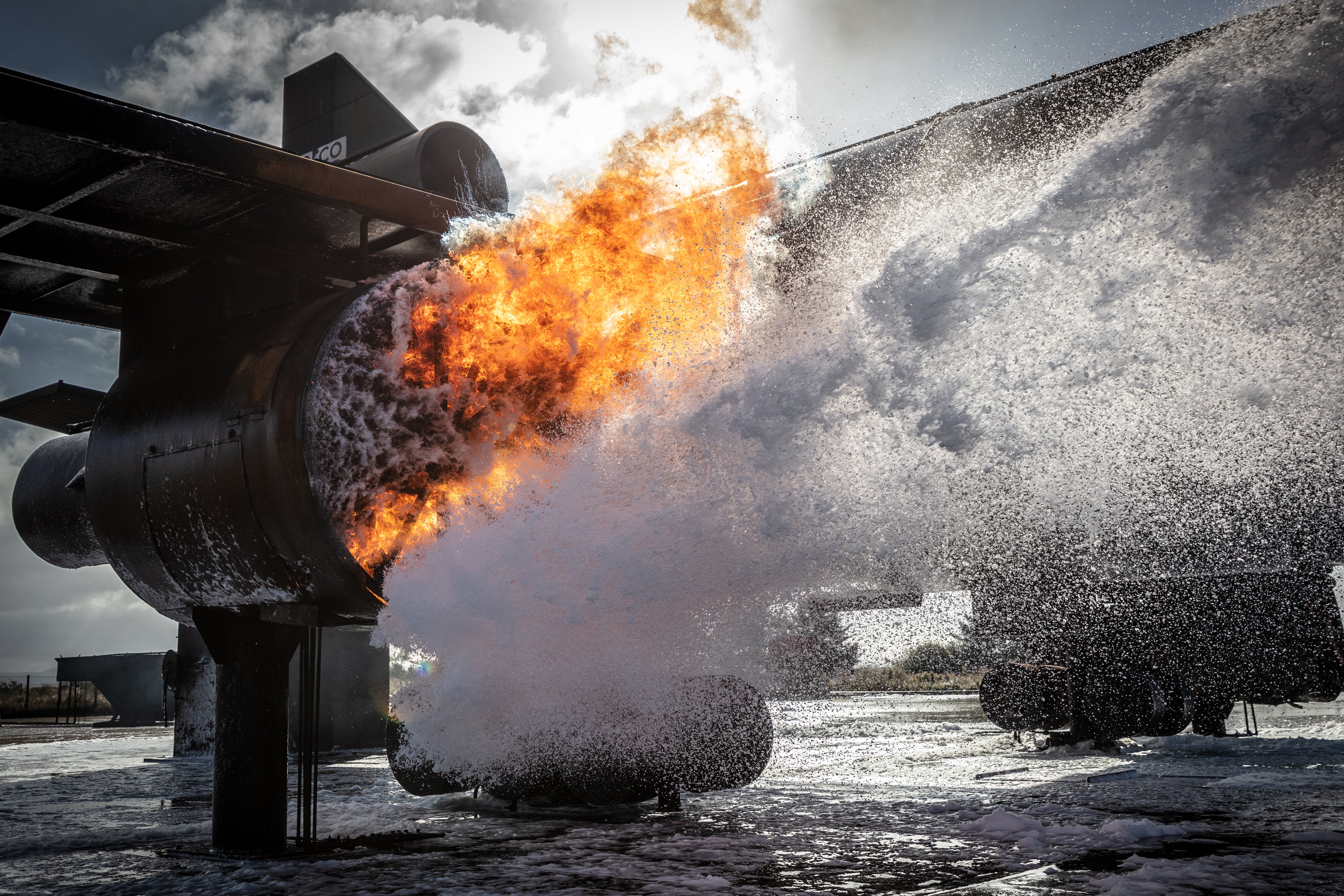
The daylight was challenging. It was a bright autumn morning with the sun low and directly behind the soot-blackened full-sized airliner facsimile.
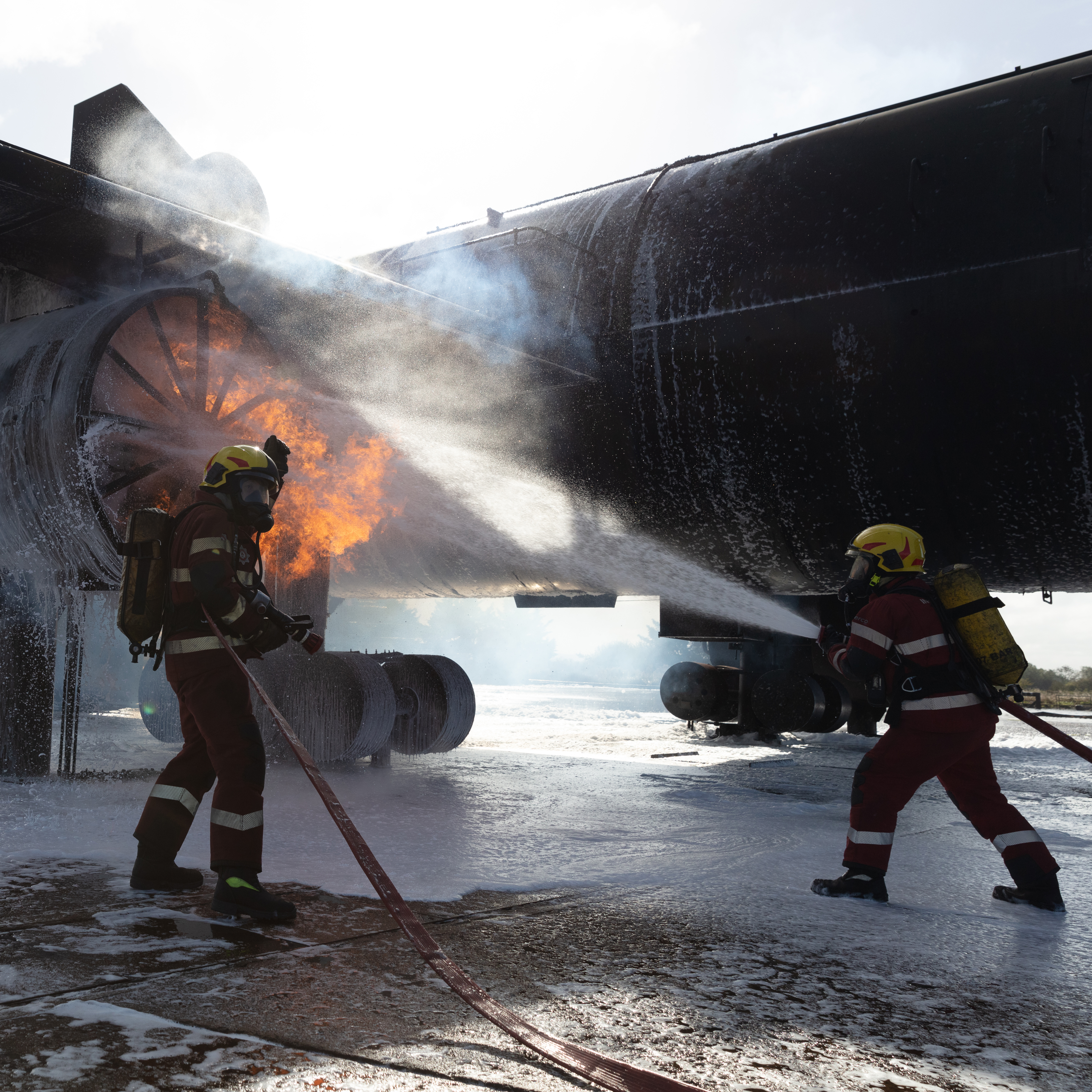
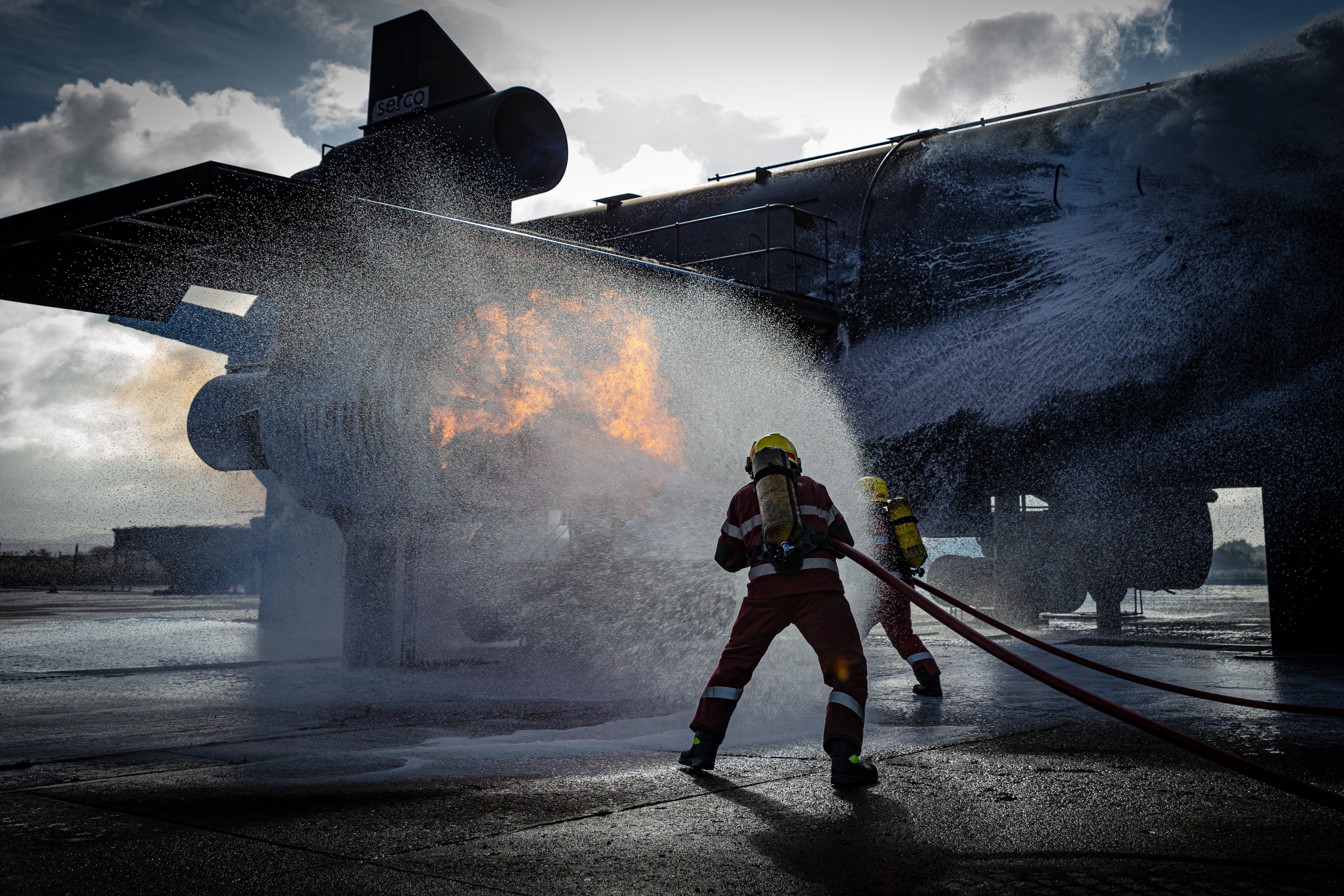
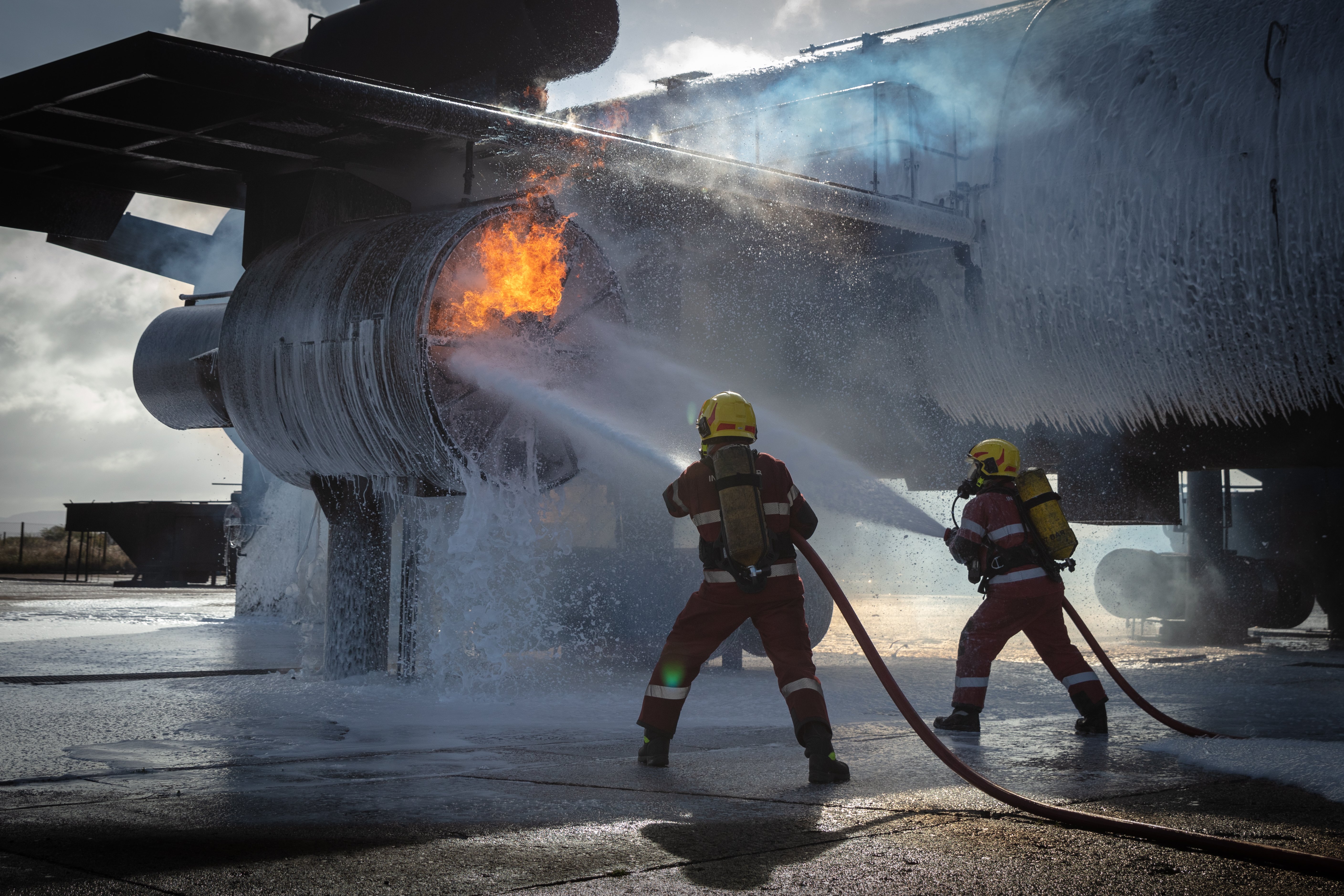
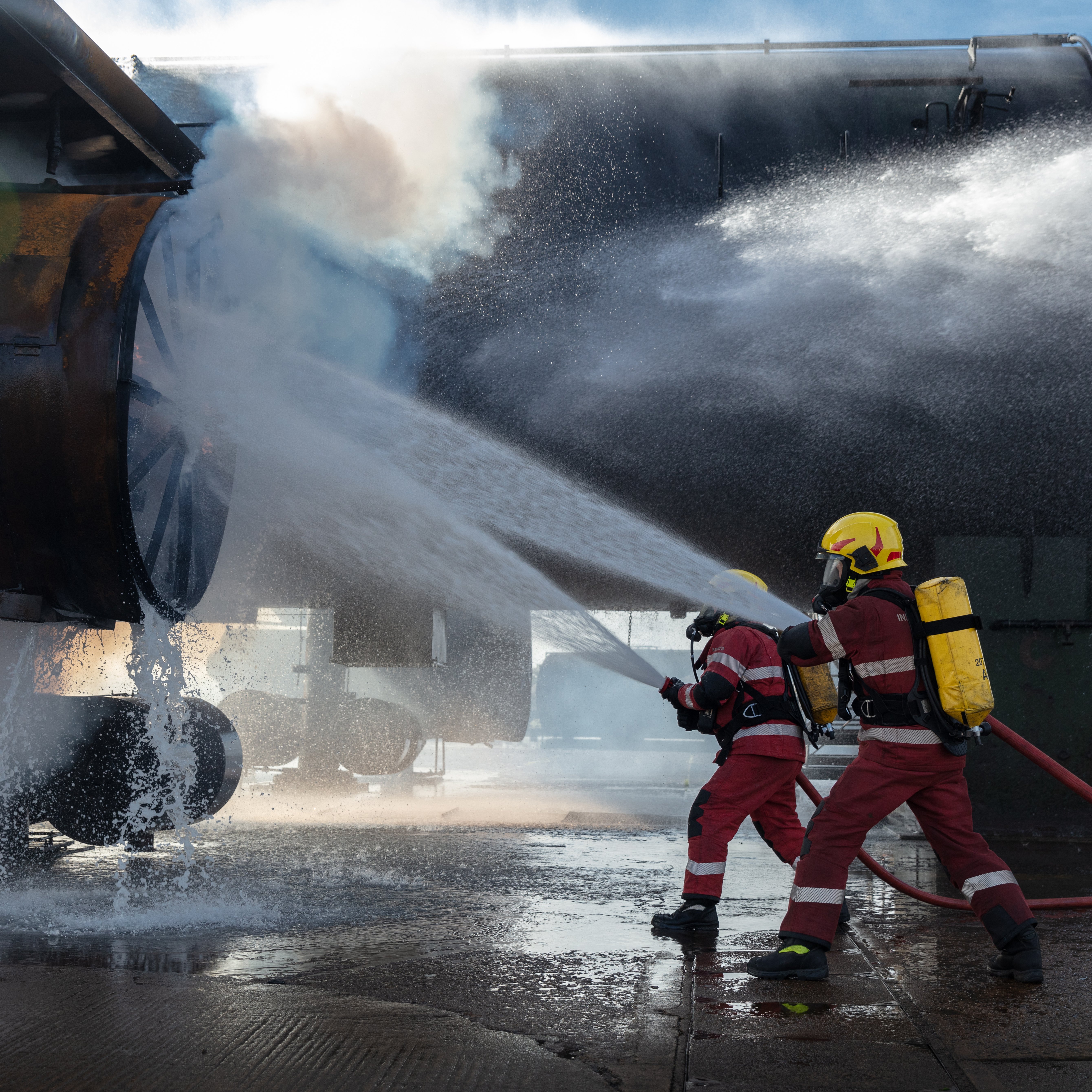
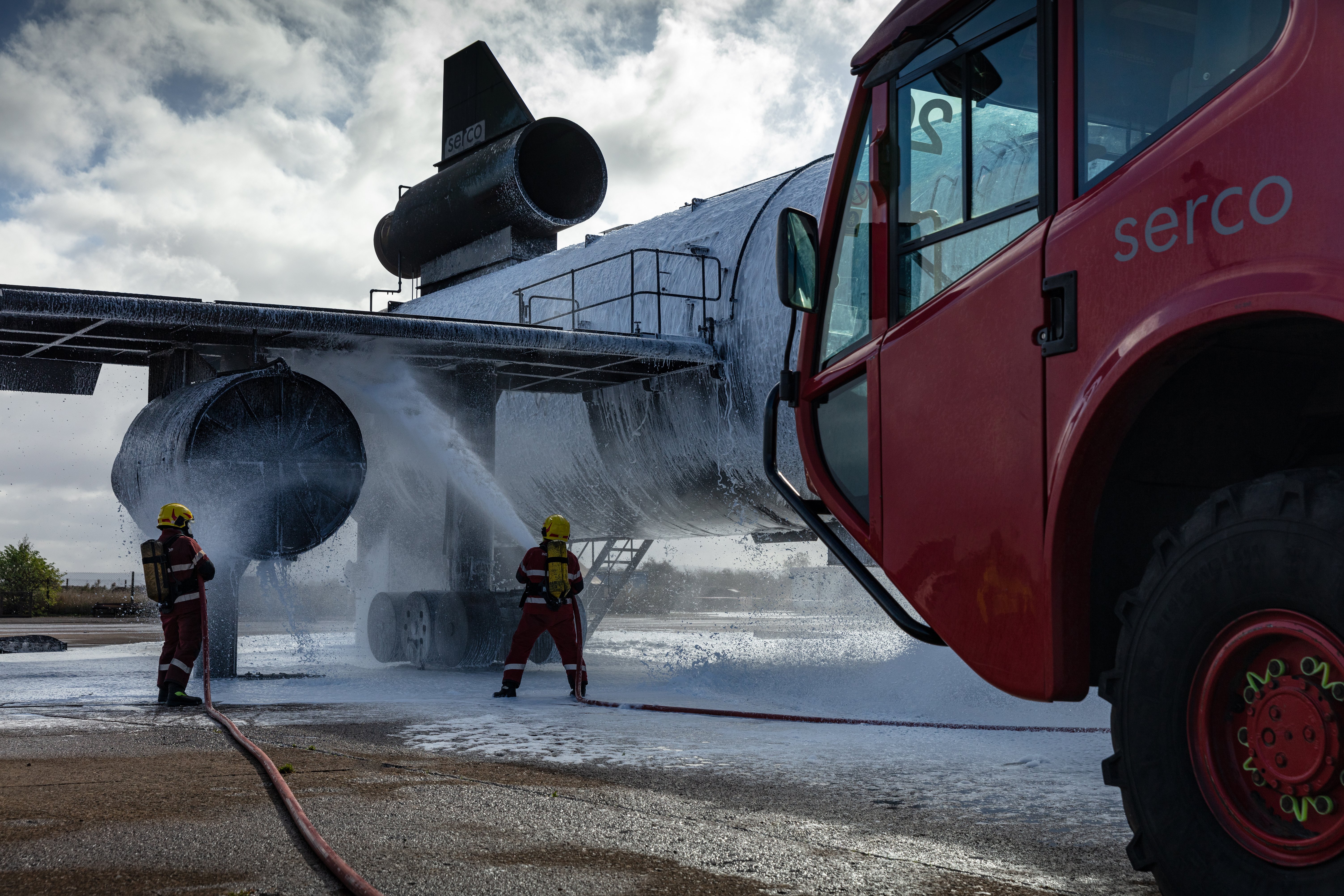
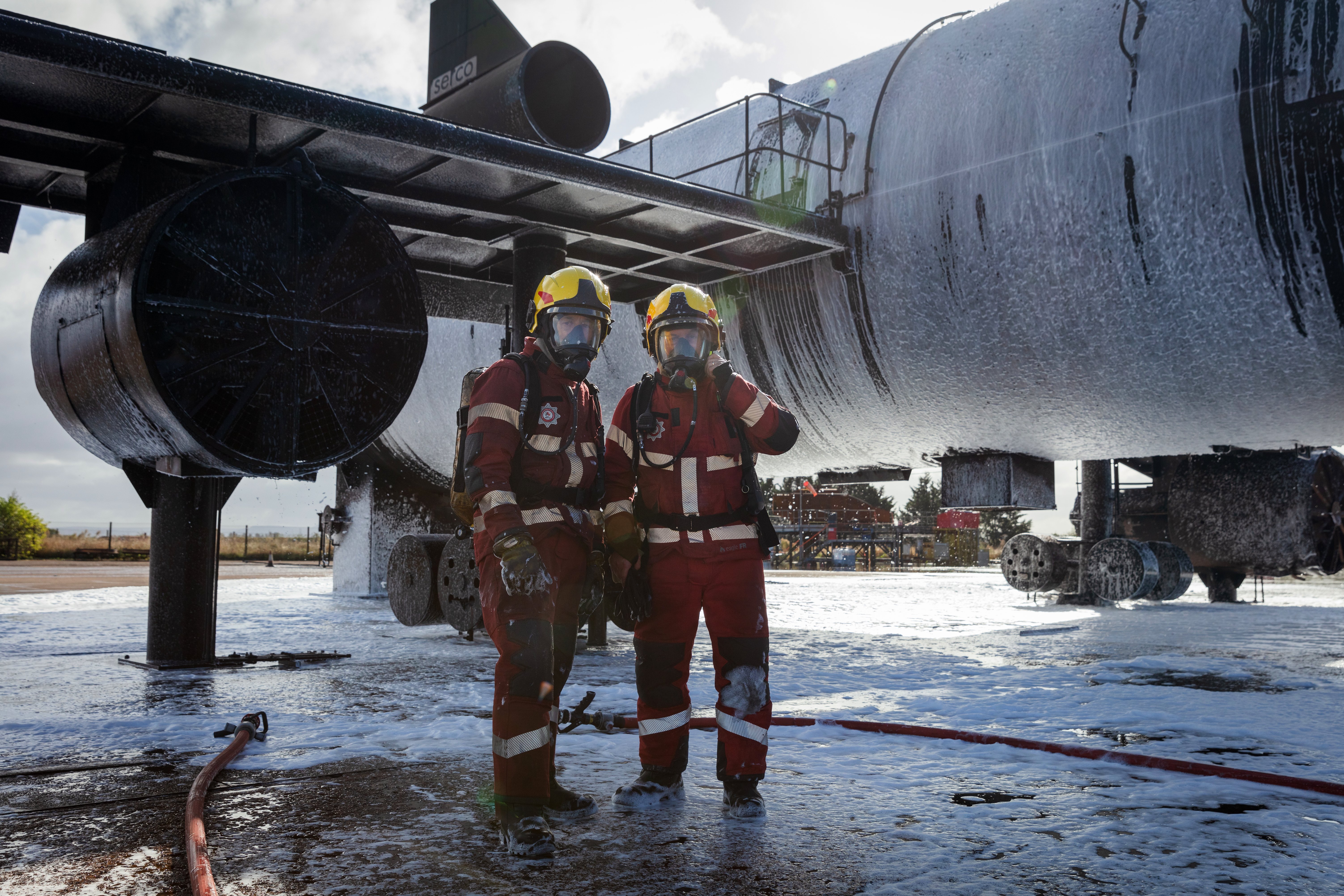
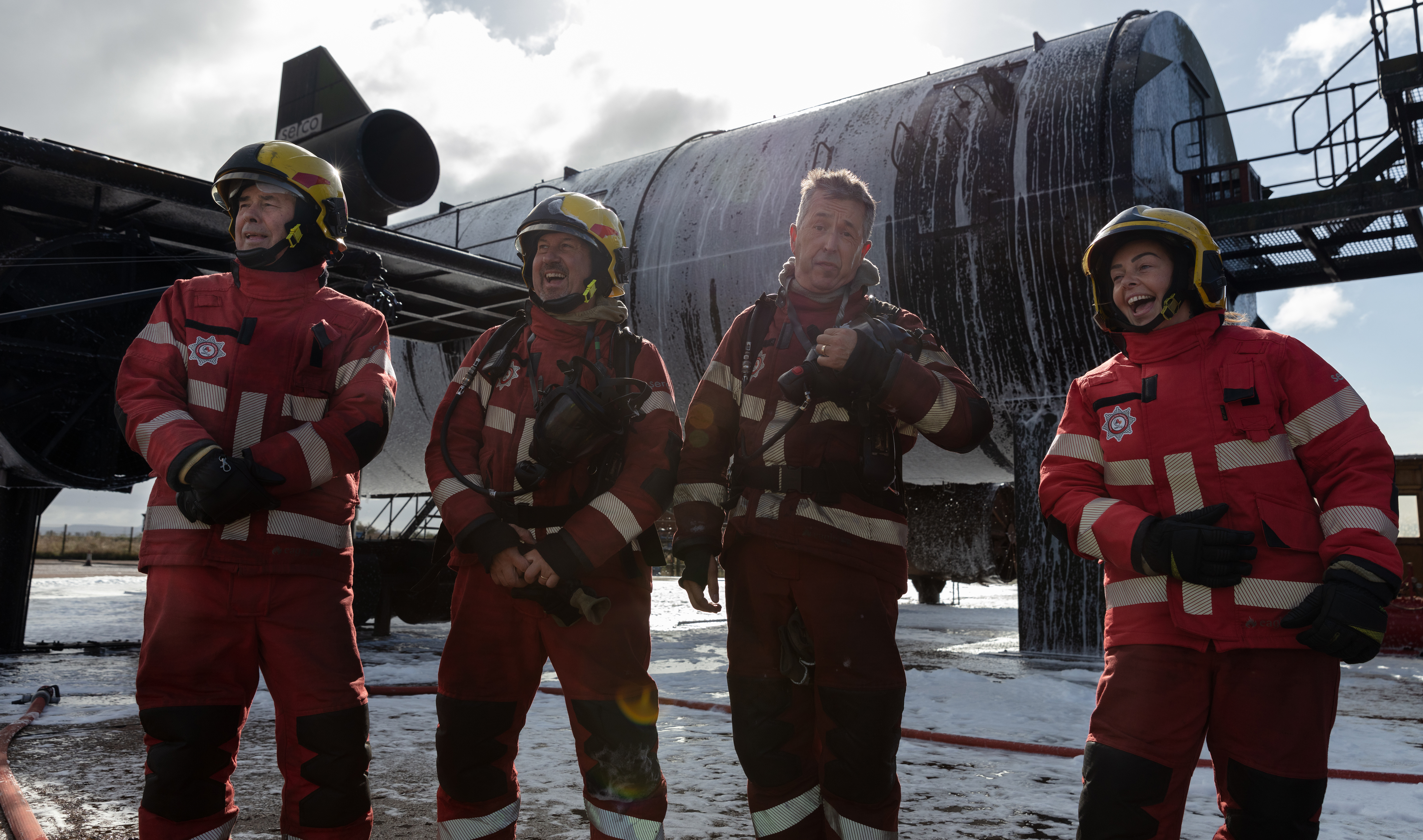
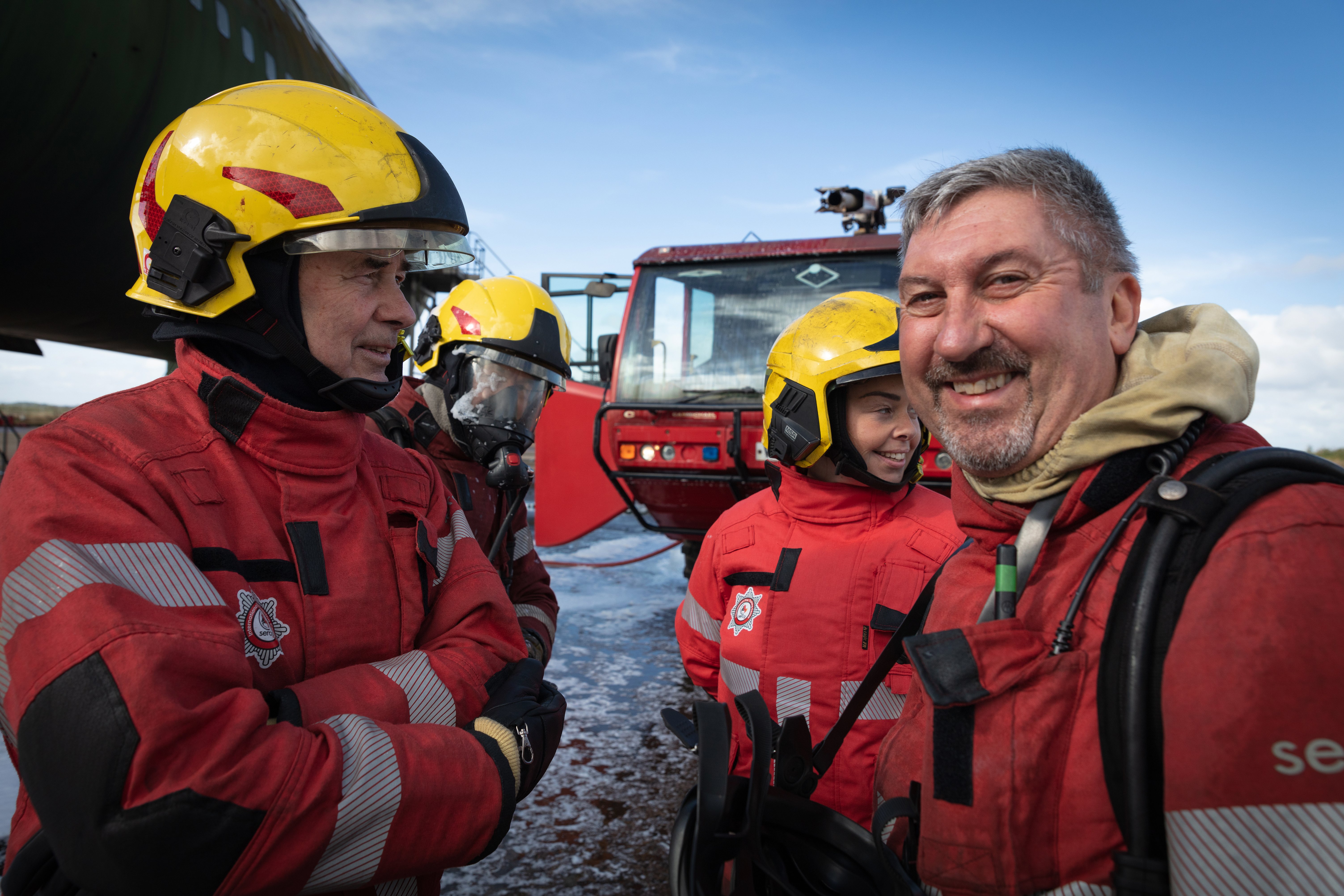
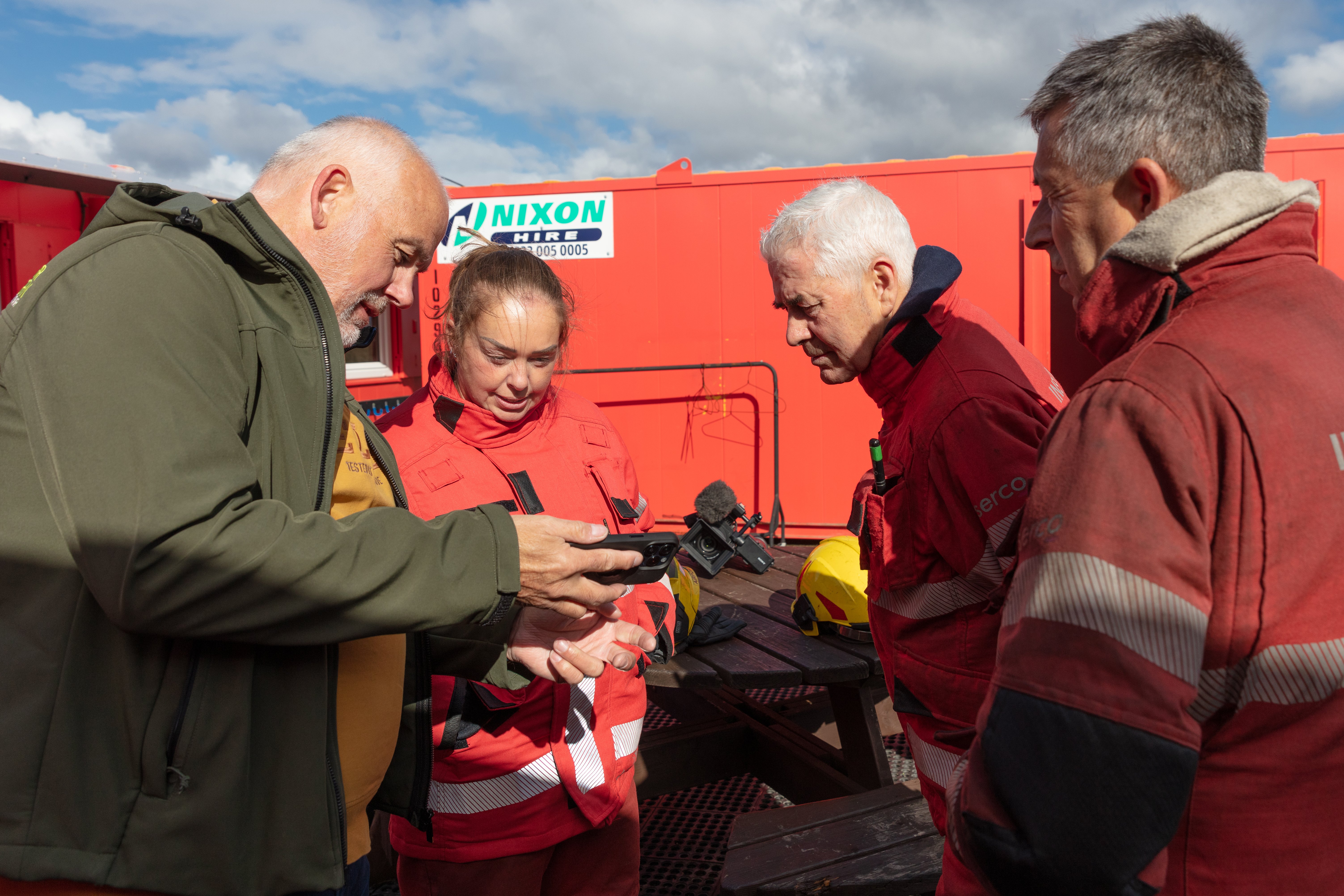
We were advised that it might take just a very few minutes to extinguish the fire. No pressure then!
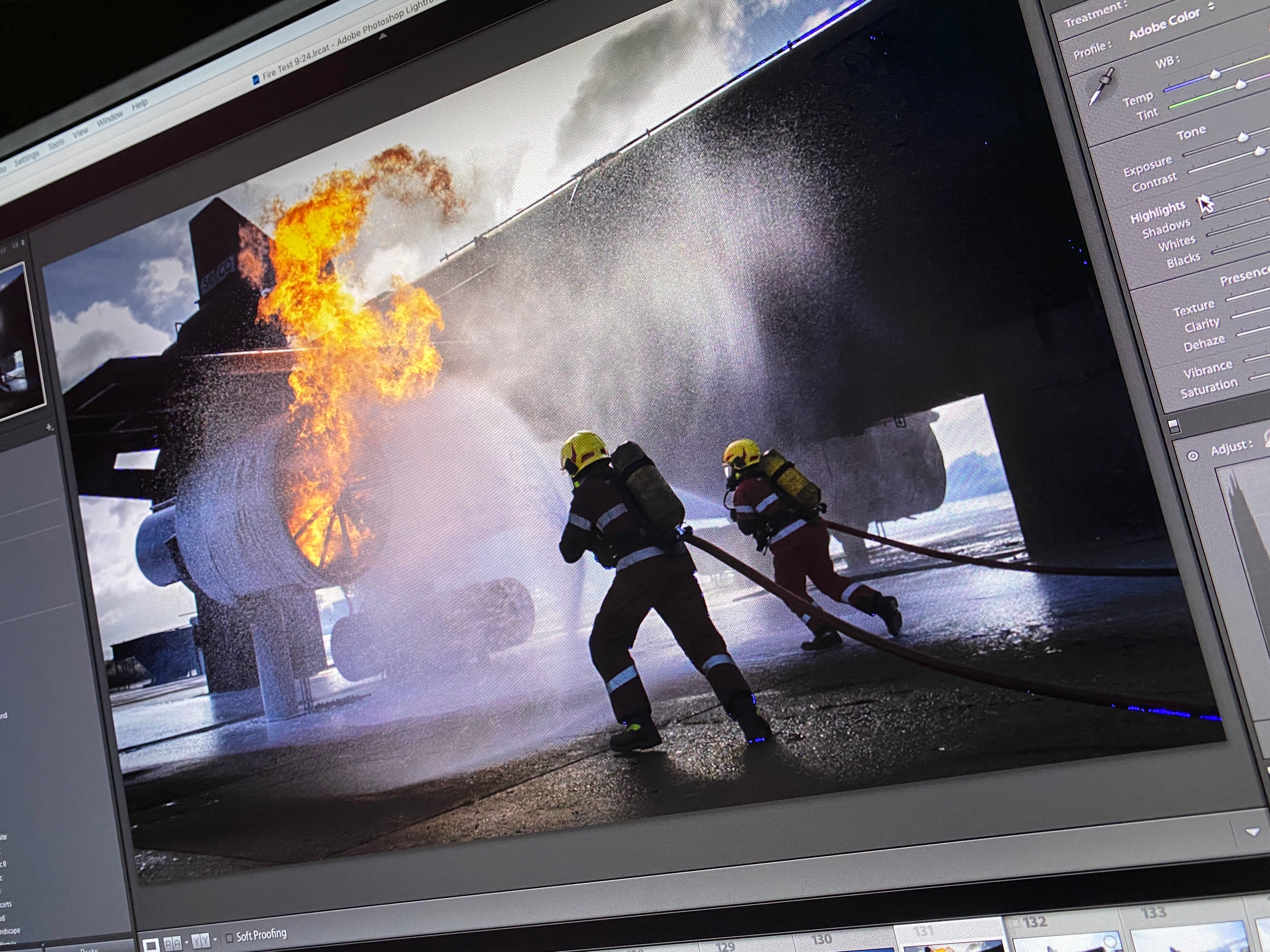
Careful exposure and editing were the order of the day.