Sound Recording - Hidden Lavalier Microphones
Back in the day, TV camera professionals were never involved with audio. There were skilled specialist professionals, trade unions, and etiquets to be honoured and respected.
However, those days and values are gone. Many camera people now record sound daily. Others also do sound frequently, depending on the nature of their work.
Training
As most camera people are freelancers, learning sound recording was our responsibility.
I attended a brilliant night class, Recording, Mixing, and Mastering Music, at the local College of Further Education. This involved two 3-hour sessions weekly for a year.
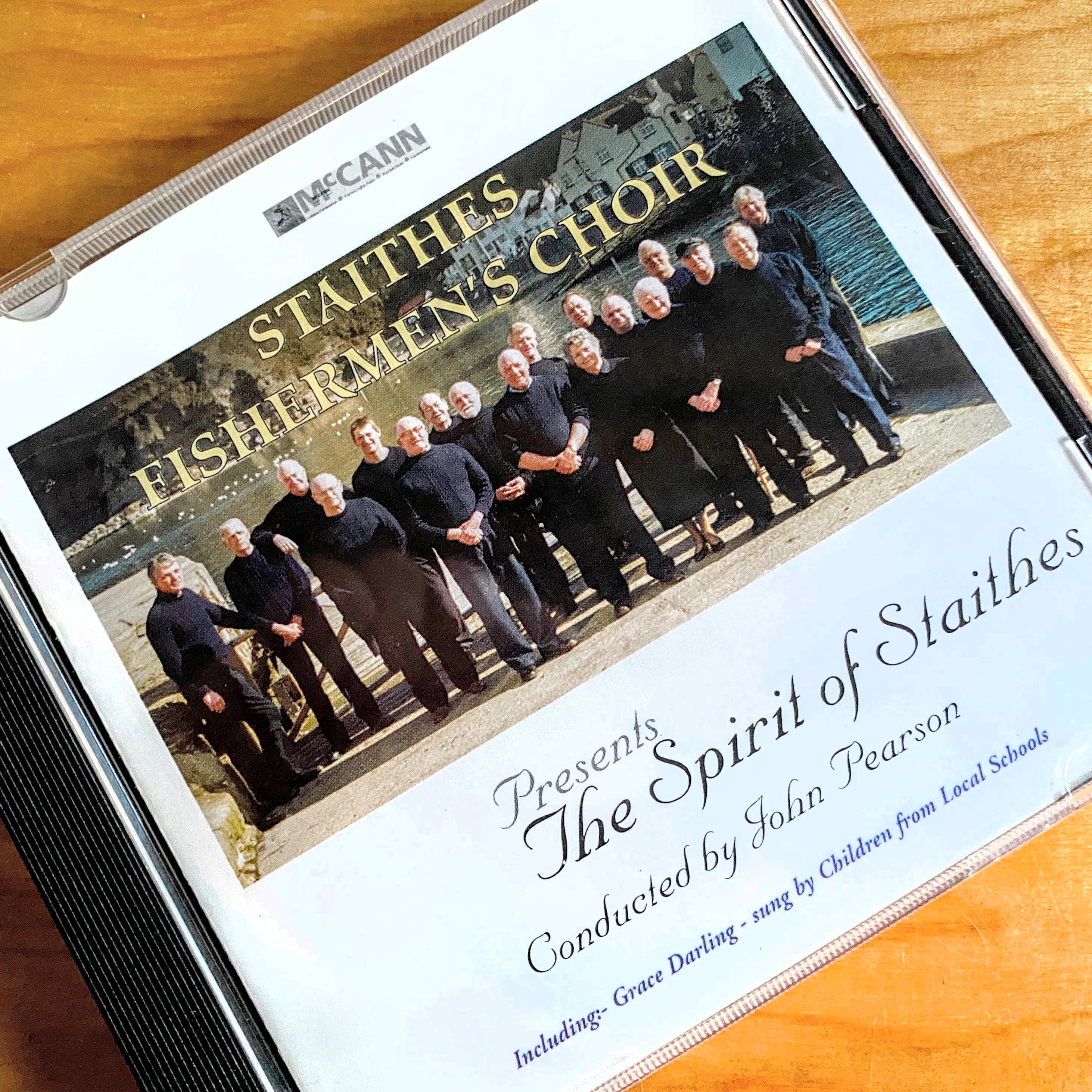 I got so into it that I even recorded a semi-pro soprano opera singer, and a classical orchestral concert. Then a local fishermen's choir asked me to produce a CD album for them. I got creative, adding between the tracks, seagull calls, and waves lapping on the shingle shore of Staites Harbour, all in stereo.
Sound Recording for TV
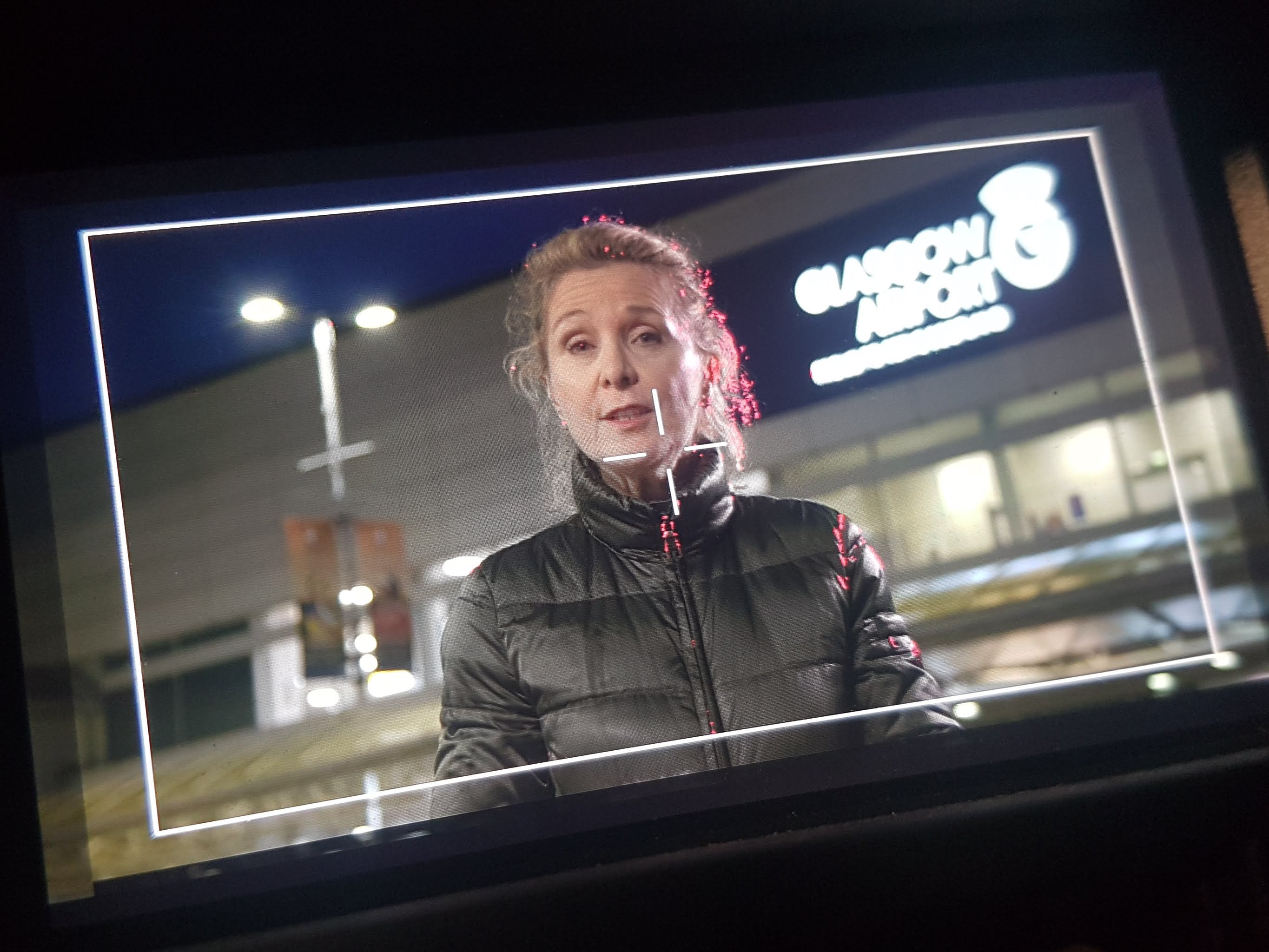 Of course, handing a stick or shotgun mic to a reporter for a piece to camera or vox pops interviews is one way of recording audio, if the mic is kept out of shot it is a brilliant approach but it limits the camera op to medium shots or tighter framing, otherwise the mic gets in the shot, which is not a good look, and is often unacceptable.
Increasingly some of us get involved in rather more complex work. However, many such situations soon get to be very time-consuming, and for a camera crew, doing audio is highly inefficient, as time spent on audio is time not spent lighting and on cameras, which typically require more time than audio to set up. So, as time is always limited and precious, it is usually far better to have a sound recordist or crew.
Location sound recordist often helps unload vehicles and move kit, they can stand in/sit in for subjects who have not yet arrived so we can set and balance lights, and as a mission-critical bonus, they can fetch a hot brew and biscuits while we toil on with lighting, grips, data, and camera setup activities.
Multi-skilling
So, as a DoP who enjoys audio, I still believe audio is better left to the experts. However, I recongnise the industry is very varied and every shoot is different. I strive for excellence in all spheres of my work, including when I am responsible for recording sound. Much of my work involves filming sit-down location interviews, and generally, I prefer an overhead mic for these shoots, if the level of ambiant/background noise allows. This technique overcomes all the issues with personal/Lav mics, such as garment noise, hand impact noises, etc. However, sometimes using Lavs is the best solution.
And sometimes, when I am concerned the situation does not make a clear-cut choice obvious, or I think the background noise level may change during filming, I use a Lav on channel 1 and an overhead mic on channel 2, meaning a mix can be chosen, or a decision can be made as to which mic worked best, after the fact and in the controlled environment of the edit suite.
Why Use Lavalier (tie clip) Mics?
Being worn so close to the mouth and often on the chest, which is a sound box, Lavs effectively emphasise the wearer's voice, and therefore they reduce the ambient sound element in the recording, making the subject's words more easily discernable and the background noises less distracting.
Because Lavs minimise the ambiance they afford more control for sound recordists/mixers and or audio post-production to balance the voice against the ambiance which may be miced and even recorded separately. People are generally recorded in mono but the ambiance is often recorded in stereo or surround sound formats, so by attenuating the mono ambiance in the voice recording, the lav helps achieve a better stereo or surround sound effect when the mono voice is added to the ambiance. The ambiance can be recorded in sync with the talent's voice or mixed from a wild track, recorded at a different time.
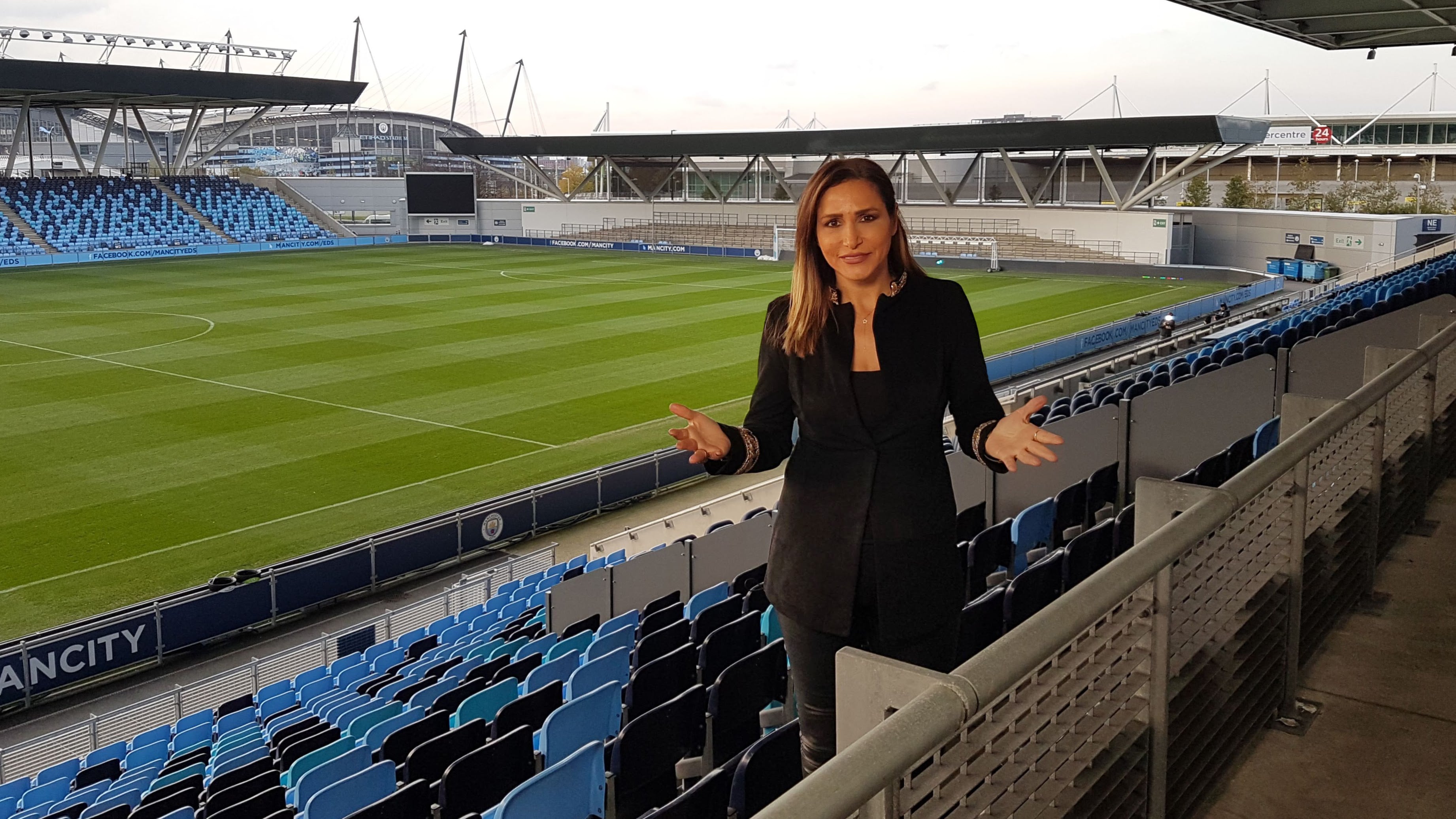 Lavs with wireless systems allow people to move without a visible mic, or cable, or a boom op following them, which is cost-effective and good for camera ops who can shoot wides without including mics, boom swingers, or their shadows.
Today we have ever more movement even in low-budget small-crew videos and it is not just the people in front of our cameras that move, our cameras also move. We work handheld, with and without gimbals. We use dollies, jibs/cranes, and of course drones. But Lavs are also used for many tripod shots with the camera panning or zooming to follow the subjects, or filming them in wide shots, to feature the location, as they stand or walk and talk.
Hidden Lavs - In Vogue - Out of Sight
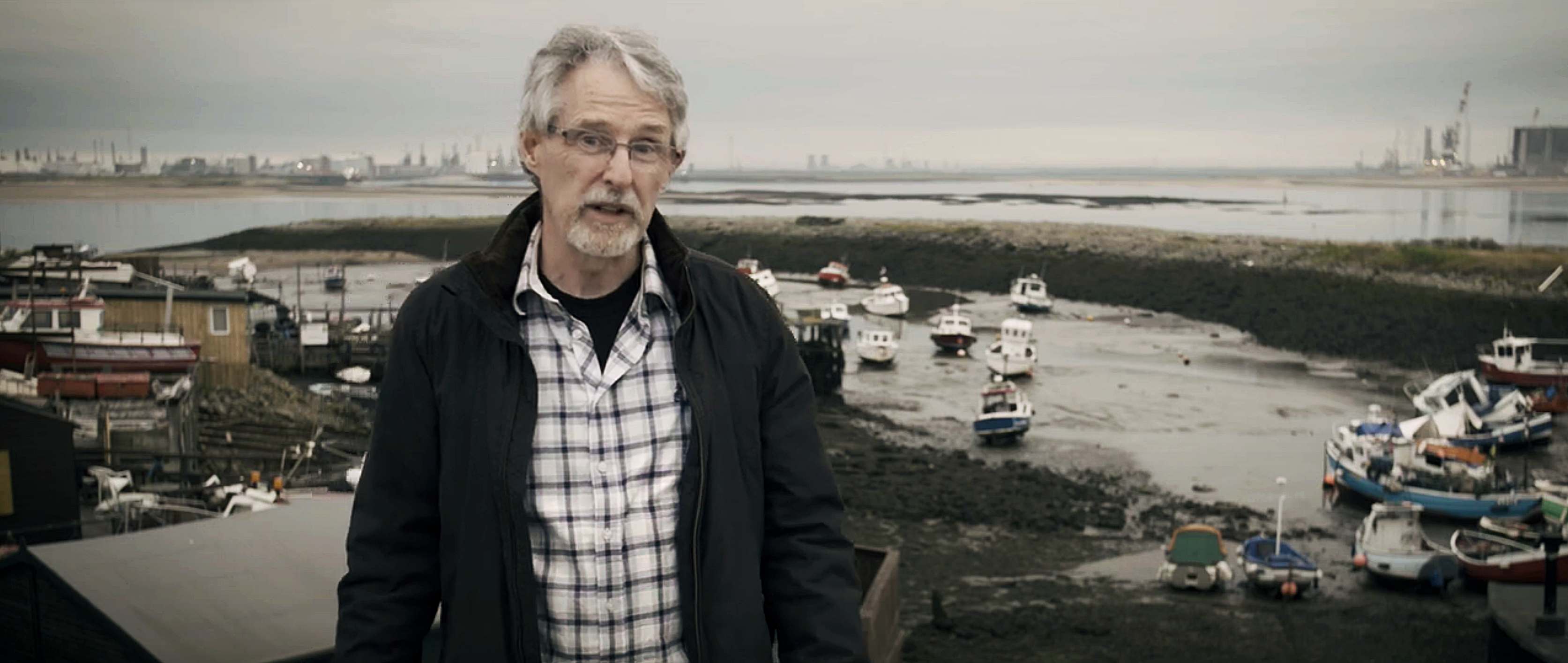 A technique that has become more in demand today is hidden Lavalier mics. This practice is fraught with challenges and rather more difficult than many imagine. Yes there are some useful techniques and they generally work well most of the time but the reality is, that hiding a lavalier under clothing is done to improve the look of the picture and not to improve the sound. Hiding a mic can degrade the sound, and cause unwanted audio effects, perversely thus drawing attention to it. So it is important to get it right which is not always easy.
Lav Mic Hiding Workshop
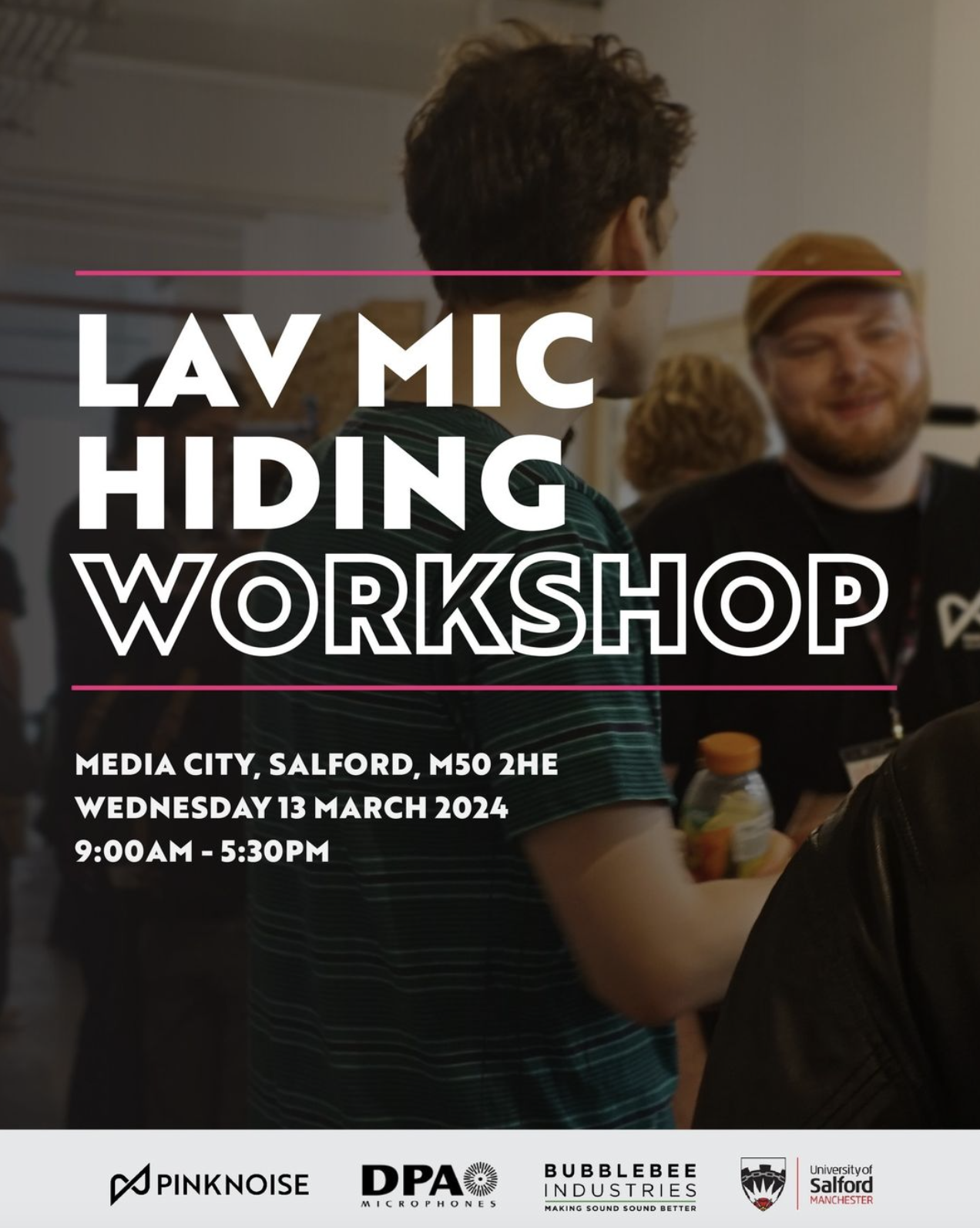 So, when I saw an advert for a Pink Noise, Lav Mic Hidding workshop, to be held in Manchester, I immediately signed up.
Why and When are Hidden Lav Techniques Used?
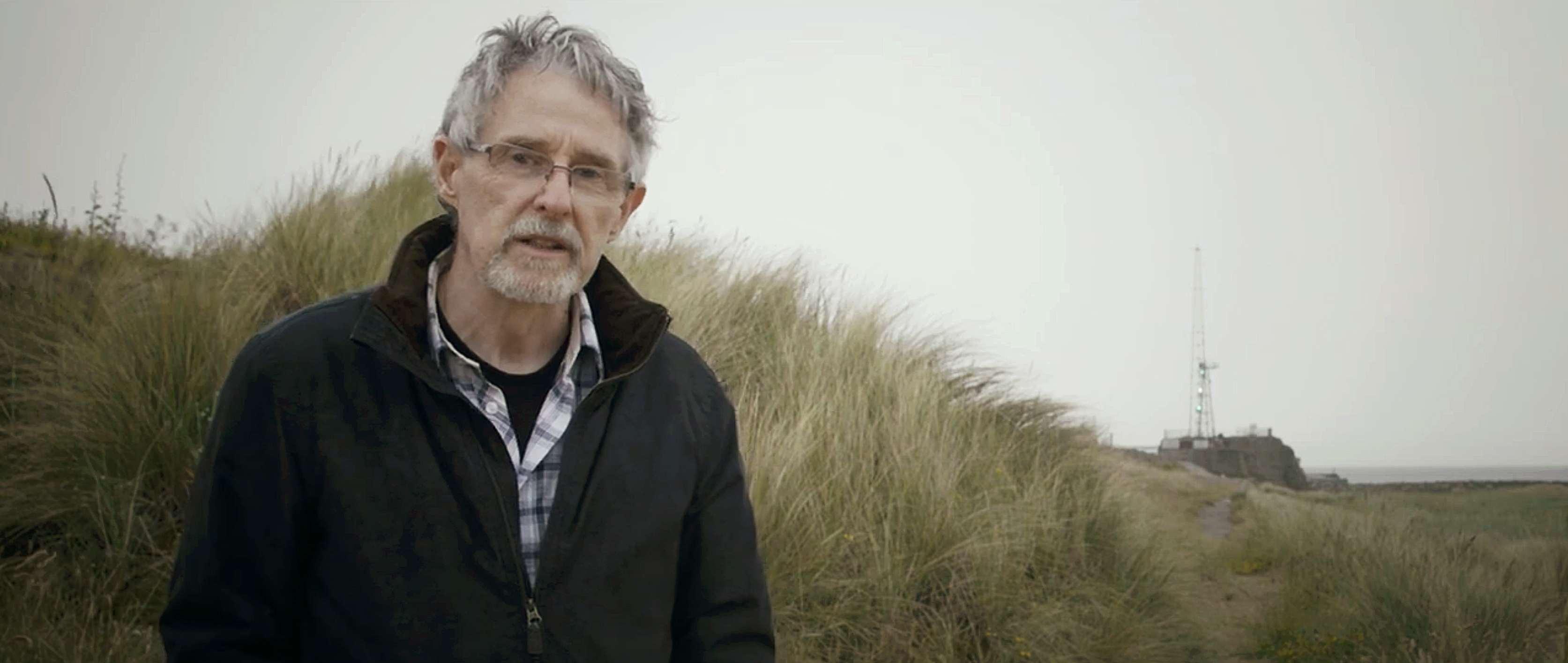 Hidden micing is generally used for pieces to camera, interviews, and dramatic work, including reenactments.
Pros and Cons of Hidden Lavs.
Pros include:
The mics are unseen, helping create the always-desirable suspension of disbelief for the audience.
They are not visually distracting.
Clothing over the mic can help reduce annoying and distracting wind noise.
Cons include:
When people move so does their clothing, which can make a noise and the material can contact hidden lav mics causing unnatural and annoying sounds.
It takes longer to fit hidden mic systems under clothing.
Fitting people with hidden mic systems when working outdoors in public situations or less-than-ideal weather can be uncomfortable and problematic.
Respecting the wearers' personal space and sensitivities associated with physical contact at the underwear level, especially when male sound people are working with female presenters or contributors, and especially female members of the public or other non-TV/Film professionals. Hidden mics are usually employed on the chest.
Hidden mics are sometimes still obvious through clothing. The capsules can cause bumps under T-shirts or tops, especially tight-fitting stretchy clothes. The cables can also cause ridges in similar clothing. The wind can require gags on mics, making them bigger and more visible.
Structured garments, especially if made from synthetic fabrics can be especially noisy.
The transmitters/belt-packs are also often hidden under clothing, so changing batteries and turning off the transmitter for comfort breaks, etc., are more time-consuming.
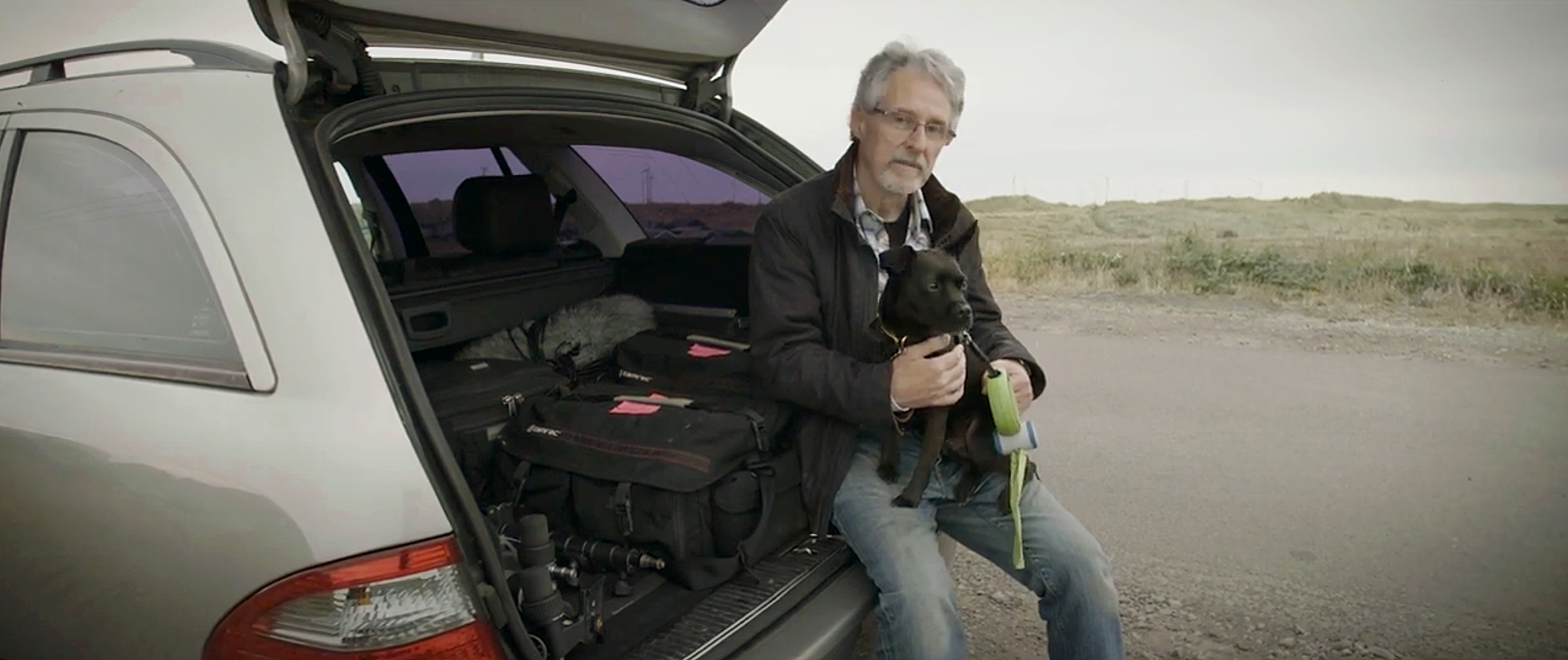 And a situation that has only happened once, in my career. When an animal or I imagine a baby, is on your subject's lap, the tone of the voice is changed by the extra chest cavity in close proximity to the mic.
Ian McCann's Bucket List
A few years ago I was invited to make and submit a film to Biz Catalyst 360's online Film Festival, BucketFest 360. Eventually, I agreed and made, Ian McCann's Bucket List. This was a personal project, undertaken for a dear friend who pressured me into it.
The idea was, to introduce myself to the audience, then talk about my bucket list, and why I think one should have such a list.
I made this film entirely on my own, except for my co-star, my son's dog Chili, who was visiting me at the time.
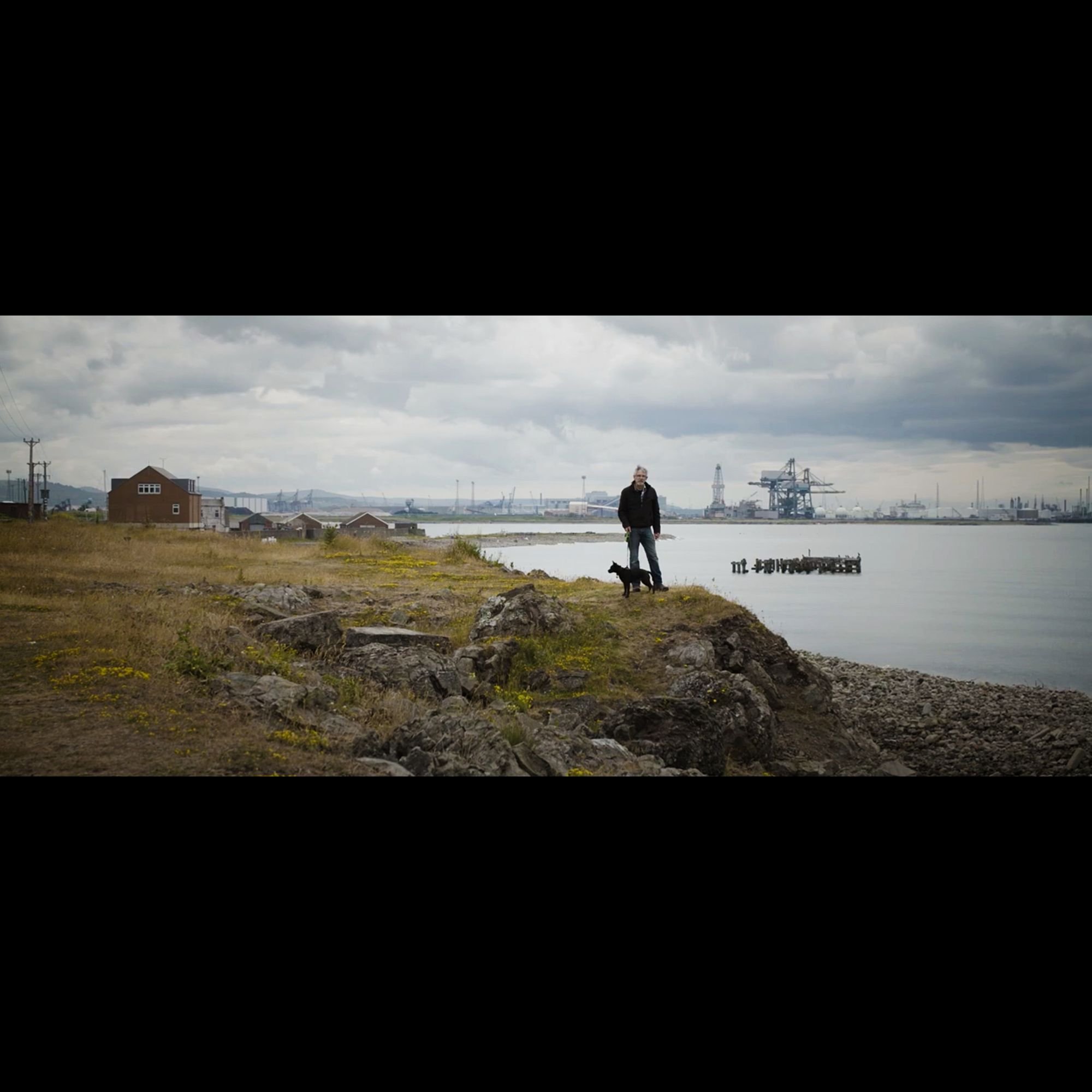
I wanted to include the two of us enjoying a bleak, exposed, and rugged landscape that I love, to help personalise me, making my feelings about bucket lists more relatable.
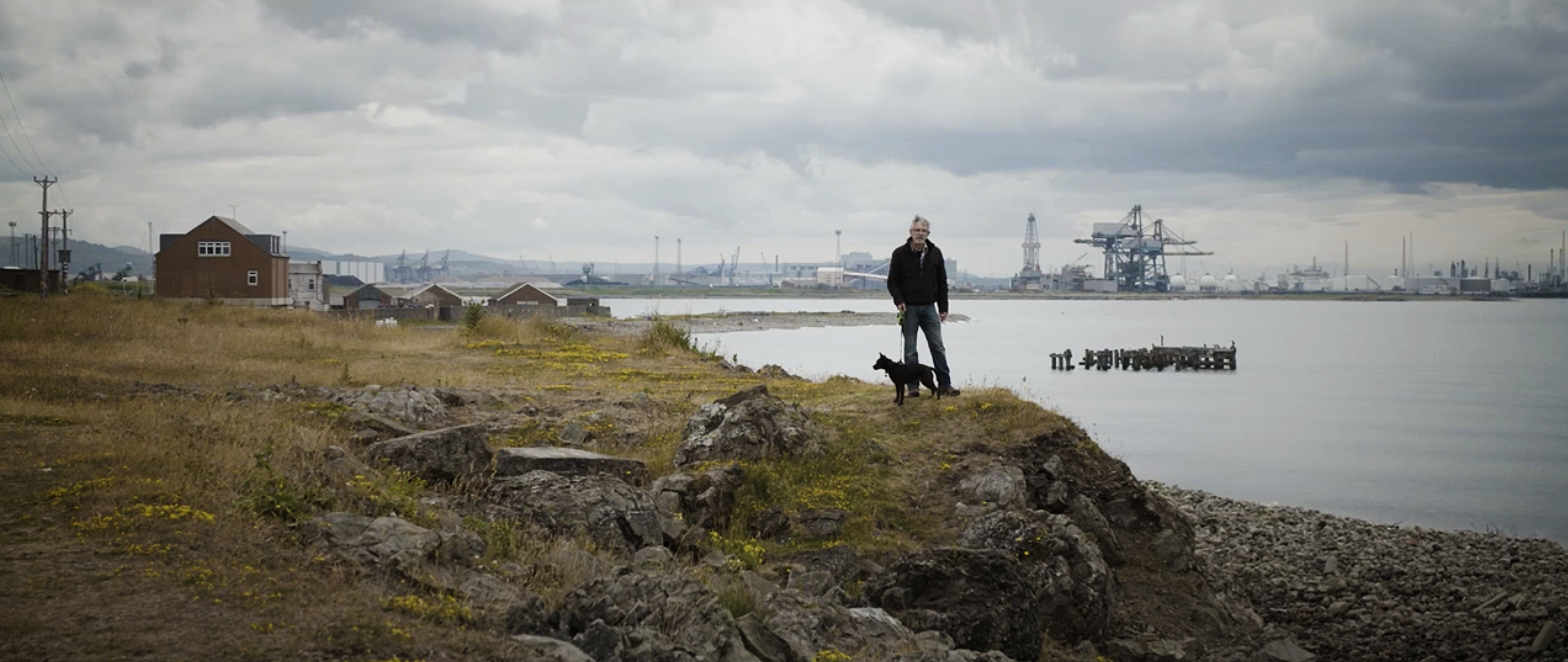 I wanted a cinematic look. The film would include movement, pieces to camera, in close-ups and from big wide landscapes, all with sea breezes industrial and maritime activity, birdsong, and noises from other people enjoying my very special place. So, hidden Lav micing was the only way to go.
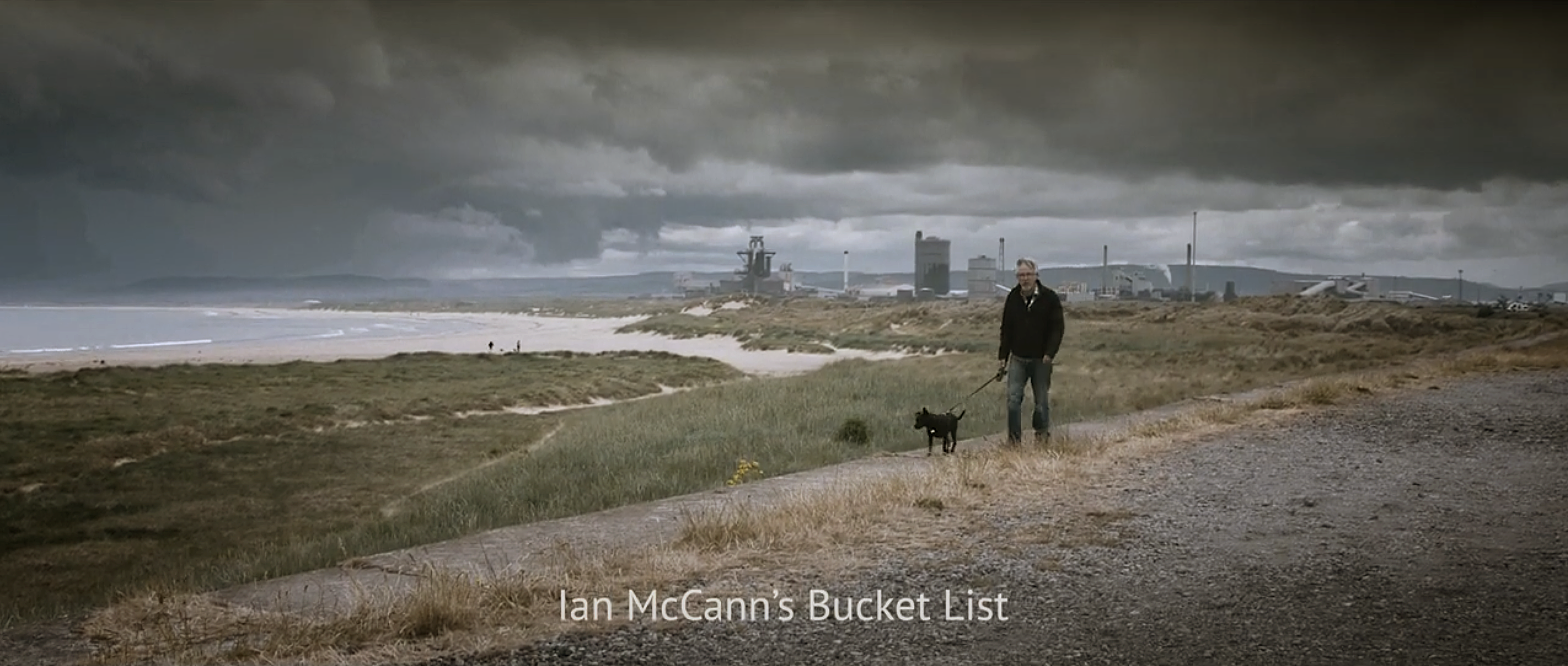 However, this film was made before I attended the above workshop and I was not entirely happy with the resultant audio in the opening shot, a walking and talking piece, where there was just too much noise from my clothing and even my soft-soled footwear treading on concrete seemed unnaturally audible, to my hyper critical quality control. Otherwise, my hidden Lav mic technique worked extremely well in all the other setups.
Eventually, I ADRed the first shot. But that is another story and could be the subject of a piece about my new voiceover service, by popular demand. It's a long story. Let's not go there.
On the other hand, Ian McCann's Bucket List is only 3 minutes short, Enjoy!